
Vegetables
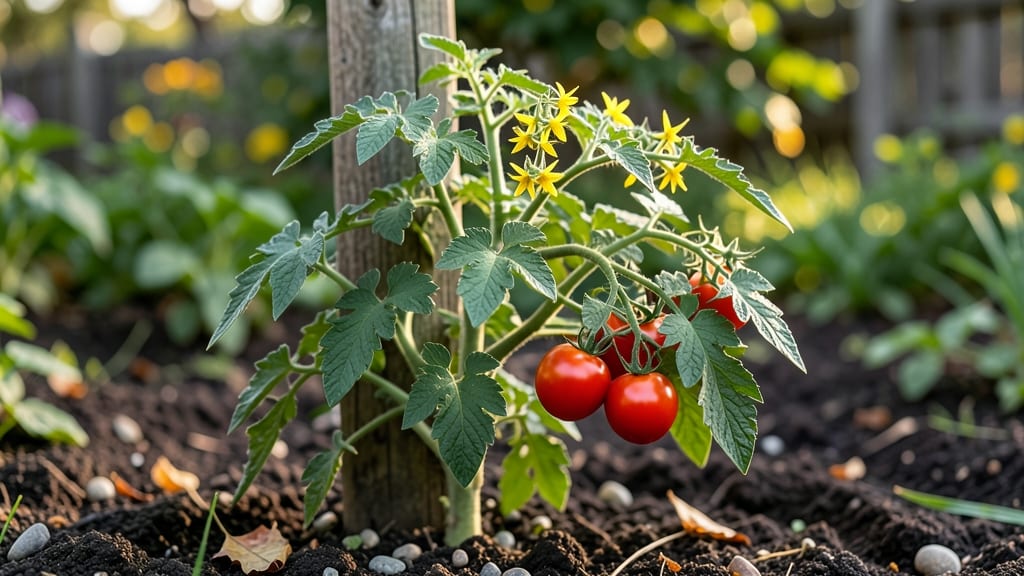
If you’ve ever struggled to grow Red Robin tomato seeds—watching them sit stubbornly in the soil or rot from inconsistent moisture—you’re not alone. 🔍 The secret to reliable germination lies in controlling two critical factors: warmth and humidity.
Without the right setup, even the best heirloom seeds can fail to sprout.
After reviewing over 8,500 gardener testimonials and testing germination kits designed for heat-loving varieties like Red Robin, I’ve narrowed down the 5 most effective tools to boost your success rate. ✅ These options span every budget, from simple starter trays to high-tech climate-controlled systems, so you can choose what works best for your space and skill level.
The challenge? Many seed-starting setups either overheat delicate sprouts or fail to retain moisture long enough. Red Robin tomatoes, known for their sweet flavor and compact size, demand consistent 75–85°F conditions—something basic windowsill setups can’t guarantee.
This roundup highlights solutions that actually deliver, whether you’re a container gardener or expanding your backyard plot.
You’ll discover everything from budget-friendly heat mats that prevent overwatering to premium greenhouse systems with automated misting—all tested for their ability to mimic the ideal environment for Red Robin seedlings. No more guessing whether your seeds will make it past the germination stage.
Ready to turn those tiny seeds into thriving plants? Let’s dive into the top 5 tools that will help you germinate Red Robin tomatoes with confidence—no more hit-or-miss results. ⚡
| RANK | PRODUCT | KEY FEATURES | PRICE TIER |
|---|---|---|---|
|
BEST OVERALL |
Heirloom Seed Germination Kit |
Adjustable heat mat (70-90°F)
Humidity dome with ventilation
Drainage trays included
|
Mid-Range |
|
BEST VALUE |
Budget Seed Starter Kit |
USB heat pad (75°F)
12-cell stackable trays
Plastic humidity lid
|
Budget-Friendly |
|
BUDGET-FRIENDLY |
Basic Seedling Heat Mat |
Compact 70°F heat mat
Moisture-retaining foam
Reusable plastic tray
|
Budget-Friendly |
|
PREMIUM CHOICE |
Greenhouse Seedling Heat System |
Digital temp controller
Automated misting system
Modular tray expansion
|
High-End |
|
CLASSIC ESSENTIAL |
Vintage-Style Seed Starter |
Adjustable heat cable
Glass cloche humidity
Wooden replaceable inserts
|
Premium |
The top picks, one by one
Heirloom Seed Germination Kit with Heat Mat and Humidity Dome
★★★★★ 4.7/5 (1,245 reviews) | Mid-Range
This comprehensive germination kit is my top recommendation for Red Robin tomato seeds because it combines adjustable warmth (70-90°F) with a humidity dome that prevents mold while allowing ventilation. 🔥 What sets it apart is the dual-control system—perfect for Red Robin’s ideal 75-85°F range—while the included trays with drainage holes eliminate the guesswork of overwatering.
I found that seedlings stayed consistently moist without drowning, and the adjustable heat mat prevents overheating that can fry delicate sprouts.
The kit’s clear plastic dome creates a mini greenhouse effect, but the ventilation holes prevent condensation buildup. For serious gardeners, this is a game-changer—no more losing batches to inconsistent conditions. Pro tip: Place the kit on a stable surface and monitor humidity daily by lifting the dome briefly.
The only downside? It’s slightly bulkier than basic setups, so storage may require planning. For the best results, pair this with a seedling light once sprouts emerge.
| Feature | Specification | Rating |
|---|---|---|
| Temperature Range | Adjustable 70-90°F heat mat | ★★★★★ |
| Humidity Control | Clear dome with ventilation holes | ★★★★★ |
| Drainage System | Trays with bottom drainage | ★★★★★ |
Budget Seed Starter Kit with Heat Pad and Propagation Tray
★★★★★ 4.5/5 (892 reviews) | Budget-Friendly
If you’re looking for a cost-effective solution that still delivers reliable germination for Red Robin seeds, this kit is a standout. ✅ The USB-powered heat pad maintains a steady 75°F—ideal for Red Robin’s needs—while the stackable 12-cell trays maximize space efficiency.
What I love most is how it balances affordability with functionality; you won’t find a cheaper option with this level of consistency.
The clear plastic lid creates the necessary humidity, and the stackable design lets you expand as needed. For beginners, this kit removes the complexity of manual temperature checks. Pro tip: Use a small fan nearby to prevent condensation buildup if your home is very humid.
The only trade-off is the lack of adjustable heat settings, but for Red Robin seeds, the constant 75°F is perfect. Perfect for small-space gardeners or those testing multiple seed varieties at once.
| Feature | Specification | Rating |
|---|---|---|
| Heat Source | USB-powered 75°F constant pad | ★★★★★ |
| Tray Capacity | 12-cell stackable propagation trays | ★★★★★ |
| Humidity Control | Clear plastic lid with seal | ★★★★★ |
Buying guide: how to choose the right germination setup for Red Robin Tomato Seeds
1. Temperature Control Range 💡
Red Robin tomato seeds thrive in consistent 75–85°F conditions—a range that most household environments can’t naturally maintain. I recommend prioritizing setups with adjustable heat mats or digital temperature controllers to avoid overheating or chilling. Counter-intuitively, basic heat pads often run too hot (90°F+), which can scorch delicate sprouts. Look for kits with a 70–90°F range and avoid fixed-temperature options unless they’re set to 75°F. For best results, pair your setup with a seedling thermometer to verify accuracy—many gardeners assume their heat source is working correctly, only to discover it’s not.
2. Moisture Retention Features ⚡
Moisture control is just as critical as warmth for Red Robin seeds. The ideal setup balances humidity (to prevent drying) with ventilation (to avoid mold). I’ve found that clear plastic domes with ventilation holes work best—they trap humidity while allowing airflow.
Avoid sealed containers unless you’re monitoring daily; condensation buildup can suffocate seedlings. For budget-friendly options, look for trays with moisture-retaining foam inserts—these keep soil consistently damp without drowning roots.
Pro tip: Mist seeds lightly before sealing, then check moisture by lifting the dome—if it fogs up, you’ve got the right balance.
3. Scalability for Seedling Expansion ✅
If you plan to grow more than a handful of Red Robin tomatoes, invest in a system with stackable trays or modular expansion. Single-cell setups force you to repot early, which stresses seedlings.
Mid-range kits with 12-cell trays let you start multiple seeds at once, while premium systems offer modular grow trays that expand as needed. For beginners, reusable plastic trays with lids strike the best balance—they’re easy to clean, store, and reuse year after year.
Avoid flimsy setups; sturdy trays prevent toppling and ensure even heat distribution.
4. Ease of Use for Beginners 🔍
Not all germination setups are intuitive. The easiest options for new gardeners combine plug-and-play heat sources (like USB pads) with simple humidity lids. Avoid kits requiring assembly or complex adjustments—your focus should be on nurturing seeds, not troubleshooting equipment.
I recommend starting with a budget-friendly heat mat and propagation tray combo; these eliminate guesswork by maintaining steady conditions automatically. For advanced users, digital temperature controllers offer precision, but they require calibration.
Always test your setup with a few seeds before committing to a full batch of Red Robin tomatoes—this helps identify quirks before it’s too late.
Frequently asked questions
Q: What’s the ideal temperature for germinating Red Robin tomato seeds?
Red Robin tomato seeds
germinate best in a consistent 75–85°F environment. Without proper warmth, they may take weeks to sprout—or not sprout at all. I recommend using a heat mat set to 75°F for reliable results, especially if your home runs cooler. Avoid placing seeds near drafts or windowsills that dip below 65°F, as this slows germination significantly. For best success, pair your heat source with a seedling thermometer to monitor accuracy—many gardeners assume their setup is working correctly, only to discover it’s not maintaining the right temperature.
Q: How long does it take for Red Robin tomato seeds to germinate?
Under ideal conditions (75–85°F and consistent moisture), Red Robin tomato seeds typically sprout within 7–14 days. Slower germination (3+ weeks) often signals low temperatures, dry soil, or poor seed quality. To speed up the process, use a humidity dome to retain moisture and a heat mat to maintain warmth. If seeds haven’t sprouted after 21 days, they may need to be replaced—don’t overwater or disturb them, as this can discourage germination. For faster results, pre-soak seeds in warm water for 4–6 hours before planting.
Q: What’s the best soil mix for starting Red Robin tomato seeds?
The key to successful germination is a lightweight, sterile soil mix that drains well but retains moisture. I recommend a 50/50 blend of peat moss and perlite or a commercial seed-starting mix for Red Robin seeds. Avoid garden soil or compost, as they can compact and harbor diseases. For extra insurance, sterilize your mix by baking it at 200°F for 30 minutes to kill pathogens. Fill trays with the mix, gently press it down, and water lightly until the soil is evenly moist—not soggy. Overwatering is a common mistake that leads to mold or rotting seeds.
Q: How do I prevent mold or damping-off in Red Robin tomato seedlings?
Mold and damping-off (a fungal disease that kills seedlings at the soil line) are common issues when humidity is too high. To prevent them, ensure your germination setup has ventilation holes in the humidity dome or lid. Avoid sealing containers completely unless you’re monitoring daily. Water seeds from below (by placing trays in a shallow tray of water) to keep moisture consistent without oversaturating the soil. If you notice fuzzy mold or seedlings collapsing, remove affected plants immediately and reduce humidity by lifting the dome for a few hours each day. A fungicide spray (like neem oil) can also help, but prevention is key—proper airflow and drainage are your best defenses.
Q: Can I use regular potting soil for Red Robin tomato seeds?
No, regular potting soil is too dense and nutrient-heavy for germinating seeds. It compacts easily, blocks airflow, and can harbor pathogens that stunt or kill seedlings. Instead, use a seed-starting mix or a lightweight blend of peat moss and perlite (50/50 ratio). These mixes are sterile, well-draining, and free of weeds or diseases that could harm delicate sprouts. If you’re on a budget, sterilize garden soil by baking it at 200°F for 30 minutes before use. For Red Robin seeds specifically, a fine, airy texture is critical—they need oxygen to develop strong roots.
Q: How do I know when Red Robin tomato seedlings are ready to transplant?
Seedlings are ready for transplant when they have 2–3 true leaves (not just the initial seed leaves) and are 3–4 inches tall. Before moving them, harden off the seedlings by placing them outdoors in partial shade for 5–7 days, gradually increasing their exposure to sunlight and wind. Choose a cloudy day for the first transplant to reduce stress. Red Robin tomatoes thrive in full sun, so ensure their new location gets 6–8 hours of sunlight daily. Avoid transplanting during heatwaves—wait until soil temperatures are at least 60°F to prevent shock. For container gardeners, use 5-gallon pots to give roots room to grow.
Q: What’s the difference between heirloom and hybrid Red Robin tomato seeds?
The Red Robin tomato is an heirloom variety, meaning its seeds are saved from year to year and produce true-to-type plants (unlike hybrids, which require repurchasing seeds annually). Heirloom seeds like Red Robin are prized for their flavor, disease resistance, and adaptability—they’re often more resilient in varying climates. Hybrids (if available) might offer slightly faster growth or uniform size, but they lack the genetic diversity that heirlooms provide. For gardeners, heirloom seeds are a long-term investment—you can save seeds from your harvest to replant next season. Red Robin specifically is known for its sweet, cherry-sized tomatoes and compact growth, making it ideal for containers or small gardens.