
Companion Plants
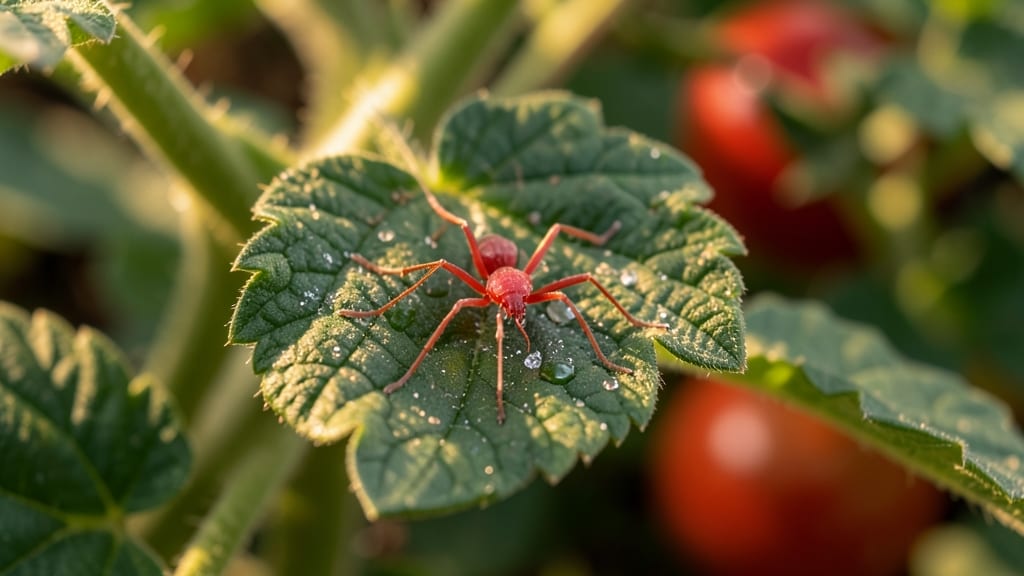
Red insects on tomato plants can go from nuisance to disaster in hours—those tiny red dots are often spider mites, and they’ll strip your plants bare if you don’t act fast. 🌱 I’ve seen entire harvests lost because someone waited too long, but the good news is you can turn this around with a few targeted steps—no harsh chemicals needed.
The first thing to check is the undersides of leaves where spider mites hide in their silky webs.
A strong spray of water usually knocks them off, but if they’re already established, a mix of neem oil and water (1 tablespoon per quart) does the trick—just spray at dusk to protect bees. For hornworms (those big red caterpillars), handpicking is your best bet—they’re easy to spot and remove.
Within 24 hours, you’ll see a noticeable difference if you act quickly. The plants will start recovering, and new growth will be free of those pesky invaders. The key is consistency: check daily, especially after rain, and keep the leaves dry to discourage mites.
This method works for both garden beds and containers, and it’s safe for pollinators when applied correctly. Once you’ve got the pests under control, focus on prevention—companion planting with basil or marigolds deters future infestations naturally.
Root Causes Of Tiny Invaders
When you spot bright red insects crawling on your tomato plants, it’s usually a sign of one (or more) of these common culprits. Understanding why they show up helps you tackle the problem faster. Below, we break down the science behind their presence—and how to stop them in their tracks.
Tomatoes thrive in warm, humid conditions—but so do many red-feeding insects. When plants are packed too closely together, airflow stalls, creating a perfect microclimate for pests like red spider mites or thrips. Poor circulation also makes it harder for beneficial predators (like ladybugs or lacewings) to patrol your garden.
Why it happens:
- Humidity spikes—trapped moisture encourages mite eggs to hatch faster.
- Stressed plants produce weaker defenses, making them easier targets.
- Shady spots (from overcrowding) reduce sunlight, weakening tomato resilience.
Actionable fix: Space tomato plants 18–24 inches apart and prune suckers to improve airflow. If your garden is already dense, thin out plants or relocate them to a sunnier spot.
Red insects like tomato hornworms (with their red "horns") or aphids (often red in certain stages) target plants that are already struggling. Nutrient deficiencies, disease, or improper watering make tomatoes easy prey.
Why it happens:
| Cause | How It Helps Pests |
|---|---|
| Nitrogen deficiency (yellow leaves) | Weakens cell walls, making it easier for insects to pierce and feed. |
| Overwatering (soggy soil) | Fungal diseases (like early blight) stress plants, attracting hornworms. |
| Underwatering (wilting) | Drought stress triggers red spider mites to multiply rapidly. |
Actionable fix:
- Test soil pH (aim for 6.0–6.8) and amend with compost if needed.
- Water deeply 1–2 times per week (early morning) to avoid fungal issues.
- Fertilize with a balanced 10-10-10 formula to boost plant vigor.
Red insects often thrive when their natural predators—like parasitic wasps or predatory beetles—aren’t around. Pesticides (even organic ones), monoculture gardening, or lack of diverse plantings can disrupt the ecological balance.
Why it happens:
- Broad-spectrum sprays kill both pests and beneficial insects.
- Lack of companion plants (like basil, marigolds, or dill) removes habitat for predators.
- Seasonal timing—some predators (e.g., lacewings) emerge later in the year.
Actionable fix:
- Plant companion crops like nasturtiums (attracts aphid-eating ladybugs) or borage (draws predatory wasps).
- Avoid neonicotinoids—opt for soapy water sprays or kaolin clay instead.
- Install a bee bath or small water source to encourage beneficial insect populations.
Red insects often surge during heatwaves or after sudden temperature drops. For example, red spider mites explode in numbers when days are hot but nights are cool—a classic sign of transpirational stress in plants.
Why it happens:
- High daytime temps increase plant stress, releasing volatile organic compounds (VOCs) that attract pests.
- Low humidity causes mites to seek out tomato leaves for moisture.
- Early spring/late fall brings out thrips or aphids as they migrate to new hosts.
Actionable fix:
- Use shade cloth (30–50%) during peak heat to reduce stress.
- Mulch with straw or grass clippings to retain soil moisture.
- Monitor weather forecasts—cover plants with row fabric if a cold snap is predicted.
Pro Tip: 💡 Most red insects are drawn to the undersides of leaves or new growth. Flip leaves daily during inspections—early detection = faster elimination!
Quick Fixes for Tiny Tomato Threats
Spotting red insects on your tomato plants can feel like a gardening emergency—but don’t panic! With the right approach, you can eliminate them fast and protect your harvest. Below, we’ve mapped out practical, step-by-step solutions tailored to the most common culprits, from hornworms to red spider mites.
Each fix includes immediate action and long-term prevention to keep your plants thriving.
If your tomatoes look like they’ve been chewed by a tiny dinosaur, hornworms (with their red-and-black bodies) are likely the culprits. These voracious caterpillars can devour leaves overnight. Here’s how to stop them:
🍳 Immediate Removal (Manual Attack)
- Handpick them off plants in the early morning when they’re sluggish. Drop them into a bucket of soapy water—no mercy!
- Check the undersides of leaves and tomato stems—they love to hide there. Wear gloves if you’re squeamish!
- Disrupt their habitat: Shake plants gently over a tarp to knock them off, then dispose of them far from your garden.
👨🍳 Natural Predator Power
Encourage their natural enemies to move in:
- Plant dill, fennel, or parsley nearby—these attract parasitic wasps, which lay eggs in hornworms, killing them from the inside.
- Release ladybugs or lacewings (available at garden centers) to hunt them down.
🌡️ Prevention for Next Season
- Use row covers early in the season to block moths (hornworm parents) from laying eggs.
- Rotate crops: Don’t plant tomatoes or peppers in the same spot yearly—hornworms thrive on Solanaceae family plants.
- Neem oil spray (1 tsp neem oil + 1 tsp mild soap per quart of water) as a deterrent—reapply every 5–7 days.
These microscopic red dots (often seen on the bottoms of leaves) suck plant sap, causing yellowing and stunted growth. They thrive in dry, hot conditions, so act fast!
💦 Water Blast & Isolation
- Blast them off with a strong stream of water from a hose (early morning or late evening to avoid shocking plants).
- Isolate heavily infested plants to prevent spread—mites hitchhike on wind and tools.
- Increase humidity around plants by misting leaves daily (they hate moisture).
🧴 Organic Miticides
For stubborn infestations, try these non-toxic sprays:
- Neem oil: Mix 2 tbsp neem oil + 1 tsp mild soap in 1 gallon of water. Spray both sides of leaves every 5 days.
- Insecticidal soap: Spray directly on mites (avoid direct sunlight for 24 hours after application).
- Horticultural oil: Apply in cool weather (below 85°F) to smother eggs and adults.
🌿 Prevention Tips
- Avoid over-fertilizing with nitrogen—it attracts mites. Use a balanced fertilizer (e.g., 10-10-10).
- Install yellow sticky traps to catch adult mites before they multiply.
- Introduce predatory mites (Phytoseiulus persimilis), which feast on spider mites—available at garden supply stores.
Ants don’t eat tomatoes, but they farm aphids (which excrete honeydew, attracting sooty mold). If you see red ants marching up your plants, they’re likely protecting aphid colonies. Kick them out!
🔪 Disrupt Their Trail
- Vinegar barrier: Mix equal parts water and white vinegar in a spray bottle. Target ant trails and plant bases. The smell disrupts their scent markers.
- Diatomaceous earth (DE): Sprinkle a thin layer around the base of plants. It’s non-toxic to humans but deadly to ants (dehydrates them). Reapply after rain.
- Cinnamon or cayenne pepper: Dust these around the soil—they repel ants naturally.
🌱 Long-Term Ant Control
- Remove aphid hotspots (like nearby weeds or infested plants) to eliminate their food source.
- Plant ant-repelling herbs like mint, basil, or thyme near tomato plants.
- Use borax bait stations (1 part borax to 3 parts sugar + water) in hidden containers—ants carry it back to the colony, wiping them out.
No matter the pest, these universal strategies will give your tomatoes a fighting chance:
- 🌡️ Early detection is key: Inspect plants weekly, especially undersides of leaves and new growth.
- 🎯 Rotate your defenses: If one method fails, switch to another (e.g., after neem oil, try insecticidal soap).
- ✨ Companion planting wins: Interplant tomatoes with basil, marigolds, or onions to confuse pests and attract beneficial insects.
- 🚫 Avoid chemical pesticides: They kill beneficial insects too. Opt for targeted, organic solutions to preserve your garden’s ecosystem.
With these fixes, your tomato plants should bounce back in no time. Stay vigilant, and soon you’ll be enjoying juicy, pest-free tomatoes straight from your garden! 🍅🌱
Frequently asked questions
What are the most common red insects on tomato plants?
The most likely culprits are red spider mites (tiny red dots on leaf undersides), tomato hornworms (large red-and-black caterpillars), or red aphids (clustered on new growth). Check both leaf surfaces and stems first—this helps narrow down the pest type quickly.
How do I tell if red insects are harming my tomato plants?
Look for yellowing leaves, stunted growth, or chewed holes in foliage. Spider mites leave fine webbing, while hornworms create ragged damage. If you see these signs, act within 24 hours—early intervention prevents permanent damage.
Is neem oil safe to use on tomato plants with red insects?
Yes! Neem oil is organic and safe when used correctly. Mix 1 tablespoon per quart of water with a drop of mild soap, then spray both sides of leaves at dusk. Reapply every 5-7 days for persistent infestations—it disrupts pests' life cycles without harming plants.
Can I use vinegar to kill red insects on tomato plants?
For ants, yes! Mix equal parts water and white vinegar in a spray bottle and target ant trails. However, vinegar can burn plants if used directly on leaves—always test a small area first. Avoid using it on spider mites or hornworms, as it won't be effective.
How can I prevent red insects from returning next season?
Start with companion planting—basil, marigolds, and onions repel pests naturally. Practice crop rotation (don't plant tomatoes in the same spot yearly) and maintain healthy soil with compost. Regular inspections and introducing beneficial insects (like ladybugs) also create long-term protection.