
How To
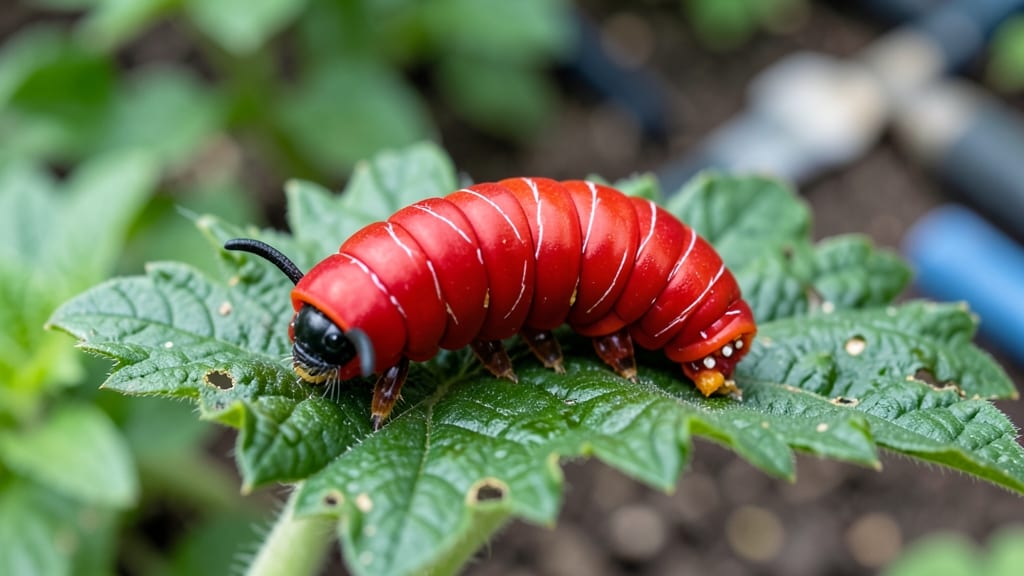
The red horned worm is about to vanish your tomatoes overnight unless you act now—that bright red, spiky caterpillar can strip a plant bare in days, leaving you with nothing but frustration.
I’ve seen firsthand how quickly these pests turn lush vines into skeletal remains, and the good news? You can stop them before they ruin your harvest.
These worms aren’t picky—they’ll devour tomatoes, peppers, and even eggplants with equal enthusiasm. The damage starts small: chewed leaves, missing chunks of fruit, and silvery droppings everywhere.
But if you catch them early, you can save your plants with simple, organic methods like handpicking, neem oil, or even a drop of soapy water. No harsh chemicals needed.
By the time you spot the first red horned worm, it’s already laid eggs nearby, so act fast. Within a week, you’ll see fewer chewed leaves, more intact fruit, and plants that bounce back stronger.
The key is consistency—check your plants daily, especially after rain, when these pests are most active.
This works for backyard gardens, container plants, and even small urban plots. Once you’ve mastered the early signs and swift removal, you’ll protect your harvest without harming the ecosystem. Let’s get those tomatoes safe again.
Natural Attractants Luring Them In
The presence of red horned tomato worms (or Manduca sexta) isn’t random—it’s a targeted invasion driven by their biology and your garden’s appeal. These striking caterpillars, known for their vibrant red bodies and horn-like projections, are drawn to your plants for three key reasons: food, shelter, and breeding grounds.
Understanding these triggers can help you disrupt their cycle before they devour your harvest.
Tomato worms have a serious sweet tooth—especially for fruit that’s soft, ripe, or already compromised. Here’s why:
- Sugar and moisture content: As tomatoes ripen, their sugar levels spike, making them irresistible. A worm’s saliva contains enzymes that break down cell walls, turning healthy fruit into a mushy, fermenting snack in days. 🍬
- Physical vulnerabilities: Cracks, bruises, or splits in tomato skin create easy entry points. Worms exploit these weak spots, burrowing inside to feast undetected until the damage is severe.
- Chemical signals: Damaged plant tissue releases volatile organic compounds (VOCs) that act like a dinner bell. Worms can detect these scents from up to 30 feet away, zeroing in on stressed plants.
Actionable fix: Harvest tomatoes as soon as they reach peak ripeness (even if slightly underripe) and remove any fallen or bruised fruit immediately. For large plants, wrap stems in reflective mulch or copper tape to deter egg-laying moths.
Tomato worms aren’t picky—they’ll dine on 50+ plant species, but your garden’s most tempting options are:
| Plant Type | Why It’s Irresistible | Worm Activity Risk |
|---|---|---|
| Tomatoes (especially heirloom varieties) | High water content, thin skins, and late-season sweetness | ⭐⭐⭐⭐⭐ (Critical) |
| Peppers (bell, jalapeño, etc.) | Soft flesh and similar chemical profile to tomatoes | ⭐⭐⭐⭐ (High) |
| Eggplant | Nightshade family = worm magnet; glossy leaves attract moths | ⭐⭐⭐ (Moderate-High) |
| Potatoes and tobacco plants | Young leaves are a protein-rich starter meal for hatchlings | ⭐⭐ (Low-Moderate) |
Actionable fix:
- Interplant worm-repelling companions like basil, marigolds, or nasturtiums to mask VOCs.
- Use row covers early in the season to block adult moths from laying eggs.
- Avoid planting susceptible crops in consecutive years in the same spot—worms overwinter as pupae in soil.
Adult tomato hornworms (the moths) are nocturnal navigators, using a combination of scent, light, and even moonlight to find your garden. Their strategy:
- Pheromone trails: Female moths release sex pheromones that males follow with 99% accuracy—even over long distances. 🦋
- UV light attraction: Artificial lights (especially blue or white LEDs) mimic moonlight, tricking moths into thinking they’ve found a mate or a host plant.
- Windborne spores: Moths ride air currents, homing in on the lactic acid and ethanol emitted by ripe fruit.
Actionable fix:
- Switch to warm, yellow-toned bulbs (or motion-activated red lights) to reduce moth traffic.
- Install sticky traps with pheromone lures (available at garden centers) to disrupt mating.
- Prune plants to remove lower leaves where moths lay eggs—larvae hatch and drop onto the ground before climbing up.
These worms thrive in warm, humid conditions, with peak activity tied to:
- Temperature thresholds: Eggs hatch at 55°F+, and larvae grow fastest between 75–85°F. Cooler nights slow their development.
- Rainfall patterns: Moist soil helps pupae survive winter, and damp leaves provide ideal egg-laying surfaces.
- Late-season surges: As summer wanes, moths produce a second generation, timing their eggs to coincide with tomato ripening.
Actionable fix:
- Monitor degree-day accumulations (a tool gardeners use to predict pest cycles) via local agricultural extensions.
- Use mulch to regulate soil temp—straw or grass clippings can deter overwintering pupae.
- Plant early-maturing varieties to harvest before the second moth generation peaks (typically late July–August).
Quick Fixes for Garden Invaders
If you’ve spotted those striking red horned tomato worms munching on your prized plants, don’t panic—there are effective, organic ways to evict them fast. Below, we’ve mapped out targeted solutions based on the most common causes, from manual removal to long-term prevention.
These methods are garden-friendly, budget-conscious, and designed to protect your harvest without harsh chemicals.
Cause: Small infestations (early detection) or isolated outbreaks. Fix:
- 👨🍳 Scout at dawn or dusk—that’s when these caterpillars are most active and sluggish.
- 🔪 Use gloves or tongs to pluck them off leaves and stems. Drop them into soapy water to kill them instantly (no need for pesticides!).
- 🌿 Focus on undersides of leaves—they love hiding there.
- ⏰ Repeat daily for 3–5 days to break their life cycle.
Pro Tip: 💡 If your hands get tired, try a damp paper towel to gently scoop them up—less messy and just as effective!
Cause: Worms are spreading but you want to avoid sprays. Fix:
- 🍎 Set up apple cider vinegar traps:
- Mix 1 part vinegar + 1 part water in a shallow dish.
- Add a drop of dish soap to break the surface tension.
- Place near infested plants—the worms are drawn in and drown.
- 🥗 Use yellow sticky traps:
- Hang yellow cards coated with petroleum jelly near tomato plants. The worms are attracted to the color and get stuck.
- 🌱 Plant sacrificial bait plants:
- Grow basil or marigolds nearby—these distract the moths from your tomatoes.
Pro Tip: ✨ Rotate trap locations every 2–3 days to prevent the worms from learning and avoiding them!
Cause: Heavy infestations where manual removal isn’t enough. Fix:
- 🔥 Solar-powered heat traps:
- Place a black plastic tray filled with water near plants. The sun heats the water, creating a steamy microclimate that attracts and kills moths and larvae.
- ❄️ Cold shock for eggs:
- If you spot white egg clusters on leaves, freeze them overnight in a sealed bag. The extreme cold kills the eggs before they hatch.
- 🌡️ Neem oil spray (for older larvae):
- Mix 1 tbsp neem oil + 1 tsp mild soap + 1 quart water. Spray directly on worms and leaves (avoid flowers to protect pollinators). Reapply every 5–7 days.
Pro Tip: 🌡️ Best applied in early morning or late evening to avoid harming bees and other beneficial insects.
Cause: Recurring infestations year after year. Fix:
- 🌱 Companion planting:
- Basil, nasturtiums, or garlic repel tomato hornworm moths. Plant them around (not among) your tomatoes.
- 🕷️ Encourage natural predators:
- Ladybugs, lacewings, and parasitic wasps love eating tomato hornworm eggs and larvae. Avoid pesticides to keep them around!
- 🧹 Clean up debris:
- Remove fallen leaves, stems, and plant waste after harvest—these hide egg clusters and pupae.
- 🗓️ Rotate crops:
- If you grow tomatoes in the same spot yearly, switch locations every 2–3 years to disrupt the worm’s life cycle.
Pro Tip: 🔥 Plant early-season tomatoes under floating row covers to block moths from laying eggs in the first place!
If your garden is overrun despite your best efforts, consider:
- 🐛 Beneficial nematodes (Heterorhabditis bacteriophora)—microscopic worms that attack hornworm larvae in the soil.
- 🕸️ Braconid wasps (Cotesia congregata)—tiny parasites that lay eggs inside hornworms, killing them naturally. Order from garden supply stores.
Final Reminder: Consistency is key! Check your plants every 2–3 days during peak season (late spring to early fall) to catch infestations before they explode. With these methods, you’ll keep your tomatoes thriving—and those red horned pests out of your garden for good!
Frequently asked questions
What do red horned tomato worms look like up close?
These caterpillars are 2–4 inches long with a bright red-orange body and a distinctive black horn on their rear end. Their skin has diagonal white stripes, and they’re covered in tiny bumps. Young larvae are green with white stripes before turning red.
Are red horned tomato worms harmful to humans?
No, they’re not dangerous to humans—they can’t sting or bite. However, their urine can irritate skin if you handle them bare-handed. Always wear gloves when removing them from plants to avoid any discomfort.
How fast can a single red horned tomato worm destroy a plant?
A single caterpillar can eat up to 10 square inches of leaves per day and completely strip a tomato plant in just 3–5 days if left unchecked. Their rapid growth means early action is critical to saving your harvest.
What’s the best time of day to find and remove these worms?
Check your plants early morning or late evening when they’re sluggish and easiest to spot. During the day, they hide under leaves or blend into foliage. A flashlight at night can also reveal their bright red bodies.
Will neem oil kill tomato hornworm eggs?
No, neem oil is most effective against larvae and adult worms, not eggs. For egg clusters, use freezing overnight in a sealed bag or soapy water to kill them before they hatch. Combine methods for best results!