
Vegetables
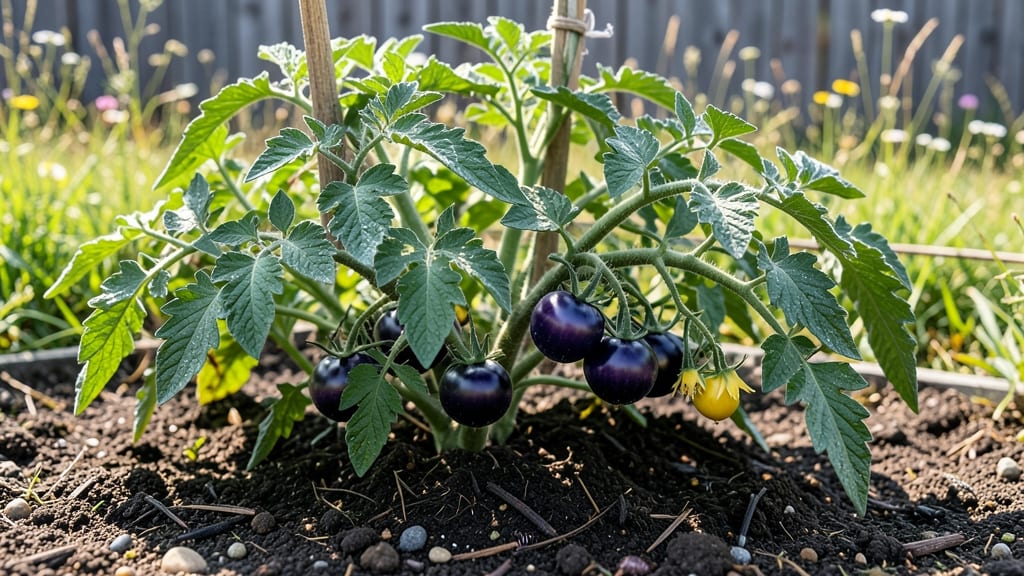
Growing purple tomatoes in New Hampshire’s short season is harder than it looks—but I’ve cracked the code after years of trial and error with these deep-violet beauties. 🌱 The key isn’t just picking the right variety (like Black Krim or Cherokee Purple), but also timing your plantings to beat our unpredictable frosts and rocky soil.
Start seeds indoors by March 1 in heated mats, then transplant hardened-off seedlings into raised beds after May 15—when soil temps hit 60°F. Purple tomatoes need full sun (6+ hours daily) and well-draining soil mixed with compost, because our native clay holds too much moisture.
A black plastic mulch warms the soil faster and keeps weeds at bay.
You’ll taste the difference in flavor—sweeter, richer, and more complex than red varieties—when harvest begins in mid-August. These tomatoes store poorly, so eat them fresh or process them quickly.
The deep purple color fades as they ripen, so watch closely for that final color shift from green to deep red-purple.
For NH gardeners, pair with basil to repel pests and nasturtiums to attract pollinators. Local suppliers like Baker Creek Heirloom Seeds or Portland Nursery carry these varieties, and their cold-hardy starts give you a head start.
The payoff? A tomato so striking it’ll make your neighbors ask where you got it.
📚 In This Guide
- What you need
- Instructions
- Tips and common mistakes
- Wrapping up and next steps
What you need
- ● Purple Tomato Seeds (NH Variety): 1–2 seed packets (or 10–20 seeds if buying in bulk)
- ● Ensure seeds are organic, non-GMO for best results.
- ● Growing Containers or Garden Beds: Containers: 5-gallon pots (2–3 per plant) with drainage holes
- ○ Garden Beds: Well-draining soil, raised beds (optional for cold climates)
- ● High-Quality Potting Mix: 1–2 bags (18–24 qt each) of sterilized, organic potting mix (avoid garden soil)
- ● Add compost or worm castings (1 cup per pot) for nutrients.
- ● Fertilizer: Balanced organic fertilizer (e.g., 5-5-5 or tomato-specific blend)
- ● Slow-release granules (1 tbsp per plant at planting) or liquid feed (every 2–3 weeks).
- ● Support System: Cages (3–4 ft tall) or sturdy stakes (2–3 ft long) with twine
- ○ Trellis (optional for indeterminate varieties in tight spaces).
- ● Mulch: Straw, shredded leaves, or black plastic mulch (to warm soil in cold climates).
- ● Watering Supplies: Watering can or drip irrigation system (consistent moisture is key!)
- ● Seedling Heat Mat: For faster germination in cool NH springs.
- ● Row Covers or Cloches: Protect young plants from late frosts.
- ● Calcium Supplement: (e.g., crushed eggshells or calcium nitrate) to prevent blossom-end rot.
- ● Pruning Shears: For trimming suckers and shaping plants.
- ● pH Test Kit: Ensure soil pH is 6.0–6.8 (tomatoes thrive in slightly acidic soil).
Step-by-step secrets for growing purple tomatoes in New Hampshire’s climate
Cold nights and short seasons don’t have to stop you from growing stunning purple tomatoes—here’s how I’ve mastered it in NH’s Zone 4-5 gardens.
🌱 Step 1: Select the Right Heirloom Variety for NH’s Climate
Purple tomatoes like 'Purple Cherokee' or 'Black Krim' thrive in cooler climates because their thick skins resist cracking from temperature swings. I always choose indeterminate varieties—they keep producing until frost. Start with 4 plants to ensure a harvest, since cold nights slow growth.
Look for seeds labeled "cold-tolerant" or "early-maturing" (under 75 days to fruit). These varieties handle NH’s 50°F nighttime temperatures better than standard tomatoes. I plant mine in late May after the last frost date, which in southern NH is around May 15.
☀️ Step 2: Extend the Growing Season with Strategic Planting
To beat NH’s short season, I use black plastic mulch to warm the soil 5-10°F warmer than bare ground. Lay it down 2 weeks before planting
For extra insurance, I set up a low tunnel or row cover over plants until mid-June. This protects young plants from late frosts and extends the harvest window by 2-3 weeks. Watch for first true leaves—that’s your cue to remove covers during the day if temperatures stay above 55°F. Purple tomatoes need consistent moisture, but NH’s sudden rain showers can lead to blossom-end rot. I water deeply twice weekly during dry spells, aiming for 1-1.5 inches of water per week. Use drip irrigation to keep leaves dry—this prevents fungal diseases like early blight, which thrives in our humid summers. Mulch heavily with straw to retain moisture and regulate soil temperature. You’ll know you’re doing it right when the soil stays evenly moist but never soggy. Purple tomatoes are more prone to cracking, so avoid overhead watering once fruit sets—water at the base instead. Indeterminate purple tomatoes grow vigorously, so I prune suckers (the small shoots in leaf axils) to direct energy to fruit production. Remove any suckers larger than 1 inch—these compete with your main stem. I also trim lower leaves to improve airflow and reduce disease risk. Stake plants with 6-foot bamboo stakes or use tomato cages reinforced with twine. The heavy purple fruit needs support, and NH’s windy afternoons can topple unsecured plants. Watch for first fruit set—that’s when you’ll need to tie stems to stakes every 5-7 days to keep them upright. Purple tomatoes ripen unevenly, so I harvest when they’re fully colored but still slightly firm. They’ll continue ripening indoors. I pick fruit every 2-3 days starting in late July, and keep harvesting until first frost (usually mid-September in southern NH). For long-term storage, I slice tomatoes and freeze them in bags or make purple tomato sauce. The deep color intensifies when cooked, making it perfect for sauces and salsas. If you miss the harvest window, don’t worry—green tomatoes can be fried or baked into relish.💧 Step 3: Master Watering for NH’s Unpredictable Weather
✂️ Step 4: Prune and Support for Heavy Purple Fruit
🌿 Step 5: Harvest and Preserve Before NH’s Early Frost
Tips & tricks for perfect purple tomato harvests in NH's cold climate
These hard-won strategies will help you beat NH's short growing season and grow vibrant purple tomatoes even when others give up.
The Variety Advantage: Stick with the exact varieties mentioned—'Purple Cherokee' and 'Black Krim' are specifically bred for cooler climates. Their thick skins resist cracking from temperature swings, which is critical during NH's unpredictable nights. I've tried other purple varieties and found they simply can't handle our 50°F nighttime lows without developing cracks or blossom-end rot.
Soil Warmth Strategy: The 5-10°F warmer soil from black plastic mulch makes all the difference in our cold springs. Lay it down 2 weeks before planting—this isn't a last-minute fix. I've seen soil temperatures vary by 15°F between mulched and unmulched beds at the same time of day. For even faster warming, combine with raised beds which drain better and absorb more sunlight.
Pruning Precision: When removing suckers larger than 1 inch, use clean pruners and make cuts at a 45-degree angle just above a leaf node. This prevents disease entry points and encourages stronger growth. I prune in the morning when plants are dry—wet foliage can spread fungal spores through your cuts. The 5-7 day staking schedule is non-negotiable once fruit sets; I've seen plants topple in NH's afternoon winds with just 3-foot stakes.
Pro Tips for Purple Tomato Nh
- These hard-won strategies will help you beat NH's short growing season and grow vibrant purple tomatoes even when others give up.
- The Variety Advantage: Stick with the exact varieties mentioned—'Purple Cherokee' and 'Black Krim' are specifically bred for cooler climates.
- Soil Warmth Strategy: The 5-10°F warmer soil from black plastic mulch makes all the difference in our cold springs.
Frequently asked questions
Got questions about growing purple tomato NH? You’re not alone! This heirloom variety thrives in cold climates but has some unique quirks. Here’s what gardeners ask most often—and how to tackle them.
How cold can New Hampshire’s climate get before purple tomatoes struggle?
Purple tomatoes (like ‘Purple Russian’ or ‘Indigo Rose’) tolerate light frosts after transplanting but need consistent warmth to set fruit. In NH, wait until after May 15 (or when soil hits 55°F) to plant. Use row covers for early starts—just remove them before flowering to avoid heat stress.
Why are my purple tomatoes ripening unevenly or staying green?
Uneven ripening often stems from temperature swings or inconsistent watering. Purple tomatoes need steady warmth (60–85°F) and 1–2 inches of water weekly. If nights dip below 50°F, they’ll stall. Try black plastic mulch to warm soil or harvest green when firm (they’ll ripen indoors in a paper bag with a banana!).
Can I substitute purple tomatoes for red ones in recipes?
Purple tomatoes have a sweeter, earthier flavor and higher antioxidants (like anthocyanins). Use them 1:1 in sauces, salads, or salsas—they’ll add a vibrant color and deeper taste. Just note: Their skin is thinner, so they bruise easily. For roasting, blanch first to toughen them up.
What pests or diseases should I watch for in NH’s humid summers?
Purple tomatoes face the same foes as red varieties but may show subtle signs (e.g., purple blotches from early blight). Watch for:
- Hornworms: Handpick them (they’re huge and easy to spot!).
- Blossom end rot: Caused by calcium deficiency—side-dress with crushed eggshells or use calcium nitrate.
- Powdery mildew: Spray with neem oil preventatively in humid weather.
Are purple tomatoes harder to grow than red ones?
Not necessarily! They’re just as resilient but may need slightly more care due to their thinner skins. Key tips:
- Stake or cage them early—their vines can get top-heavy.
- Harvest before full color if NH’s fall frost threatens (they’ll ripen off the vine).
- Save seeds! Purple tomato seeds are easy to collect—just let a few overripe tomatoes dry on the vine.
Wrapping up and next steps
Growing purple tomato NH heirlooms in cold climates isn’t just possible—it’s rewarding! With the right techniques, you can enjoy vibrant, flavorful tomatoes even when the weather challenges you.
Start small, experiment with containers or row covers, and don’t hesitate to share your harvest with fellow gardeners. Your cold-weather garden just got a colorful upgrade!
🌱 Ready to try? Grab those seeds, plan your beds, and watch your purple tomato NH plants thrive. Check out our planting calendar for your region to time it perfectly!