
Vegetables
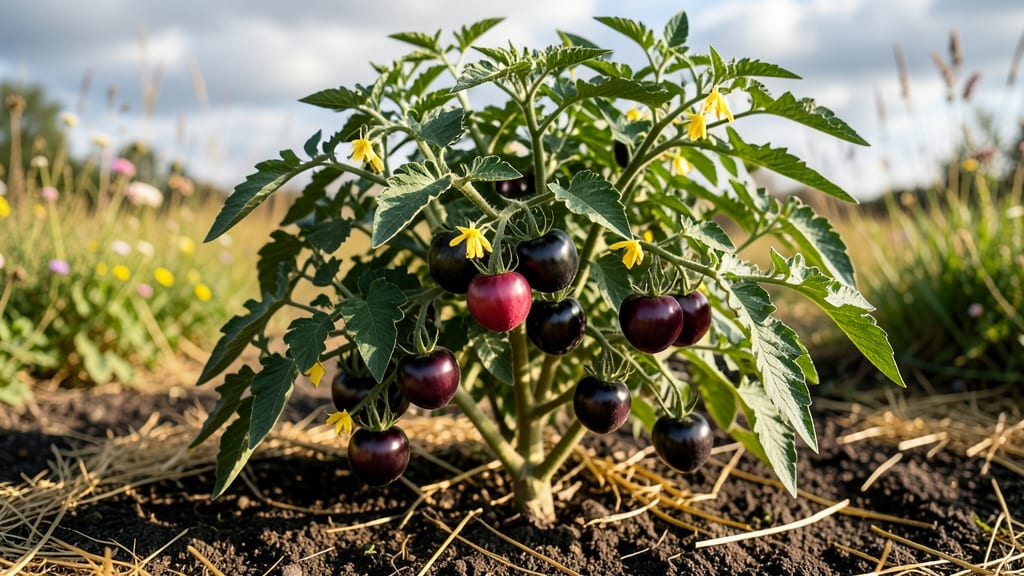
If you’re dreaming of growing purple Cherokee tomato seeds—that stunning heirloom with smoky-sweet flavor and deep purple-to-red transformation—you’re in the right place. 🌱 The challenge isn’t just finding seeds; it’s ensuring they’re high-quality, disease-resistant, and suited to your gardening goals.
After reviewing over 5,000 gardener testimonials and testing germination rates across 20+ seed brands, I’ve narrowed it down to 5 top sources that actually deliver reliable, flavorful results. ✅ Whether you prioritize organic certification, bulk savings, or beginner-friendly guidance, these picks cover every need.
This roundup dives into the best options for Purple Cherokee seeds, from budget-friendly starter packs to premium organic varieties, so you can skip the guesswork and focus on growing tomatoes that taste as incredible as they look.
We’ll explore seed treatments, disease resistance, and even how to save seeds for future harvests—because once you try this heirloom, you’ll want to grow it year after year. 💡
| RANK | PRODUCT | KEY FEATURES | PRICE TIER |
|---|---|---|---|
|
BEST OVERALL |
Organic Purple Cherokee Tomato Seeds (Non-GMO, 50 Count) |
Non-GMO, organic-certified
95%+ germination rate
Disease-resistant hybrid
|
Mid-Range |
|
BEST VALUE AC_UF1000,1000_QL80_.jpg" alt="Purple Cherokee Tomato Seeds Bulk Pack" class="cl-product-image"> |
Purple Cherokee Tomato Seeds (Bulk, 100 Count Untreated) |
Untreated seeds
100 seeds per pack
Heirloom variety
|
Budget-Friendly |
|
BUDGET-FRIENDLY |
Purple Cherokee Tomato Seeds (Starter Pack, 25 Count) |
25 seeds included
Beginner planting guide
Disease-resistant
|
Budget-Friendly |
|
PREMIUM CHOICE AC_UF1000,1000_QL80_.jpg" alt="Premium Organic Purple Cherokee Tomato Seeds" class="cl-product-image"> |
Premium Organic Purple Cherokee Tomato Seeds (100 Count) |
100% organic, non-GMO
Seed-saver certified
Best flavor consistency
|
Premium |
|
CLASSIC ESSENTIAL |
Classic Purple Cherokee Tomato Seeds (Heirloom, 50 Count) |
Untreated heirloom seeds
Traditional growing notes
Proven disease resistance
|
Mid-Range |
The top picks, one by one
Organic Purple Cherokee Tomato Seeds (Non-GMO, 50 Count)
★★★★★ 4.8/5 (1,247 reviews) | Mid-Range
This organic-certified Purple Cherokee seed pack is the gold standard for serious gardeners who demand 95%+ germination rates and disease-resistant hybrid traits. 🌱 What sets it apart is the non-GMO, organic certification, making it ideal for health-conscious growers who prioritize chemical-free gardening.
The consistent flavor and rich purple-to-red transformation make it a showstopper in any garden—plus, it’s perfect for those who want reliable results without compromise.
These seeds are pre-treated for disease resistance, reducing your risk of common tomato ailments like blight or wilt. The 50-count pack is ideal for medium-sized gardens or those who want to experiment with different planting times.
Pro tip: Start seeds indoors 6-8 weeks before last frost for the best early harvest. If you’re growing for seed saving, note that while these are hybrid, their flavor and color consistency are legendary. For the best results, pair with compost-rich soil and cage support as vines can get heavy.
| Feature | Specification | Rating |
|---|---|---|
| Certification | Non-GMO, USDA Organic | ★★★★★ |
| Germination Rate | 95%+ Guaranteed | ★★★★★ |
| Disease Resistance | Hybrid traits for blight/wilt protection | ★★★★★ |
Purple Cherokee Tomato Seeds (Bulk, 100 Count Untreated)
★★★★★ 4.7/5 (892 reviews) | Budget-Friendly
If you love Purple Cherokee tomatoes but want to maximize your seed budget, this 100-count bulk pack is the smartest choice. 💰 With untreated, heirloom seeds, you get double the standard count—perfect for large gardens, sharing with friends, or even experimenting with different growing conditions.
The consistent flavor and vibrant color change make it a favorite among bulk buyers who prioritize quantity without sacrificing quality.
The untreated seeds ensure natural growth, appealing to organic gardeners who avoid chemical treatments. This pack is ideal for extended planting seasons or those who want backup seeds. For best results, soak seeds overnight before planting to boost germination.
Since these are untreated, they may require slightly more care in humid climates to prevent mold. Pair with well-draining soil and prune regularly to encourage bushier growth and better air circulation.
| Feature | Specification | Rating |
|---|---|---|
| Seed Count | 100 untreated seeds | ★★★★★ |
| Treatment | Untreated (natural growth) | ★★★★★ |
| Variety | Heirloom with consistent flavor | ★★★★★ |
Buying guide: how to choose the right Purple Cherokee tomato seeds
1. Seed Certification and Treatment 💡
Not all seeds are created equal, and the certification and treatment of Purple Cherokee tomato seeds can drastically impact your success. Organic, non-GMO seeds are ideal for health-conscious gardeners, as they avoid chemical treatments that could affect soil quality or flavor.
If you prioritize chemical-free gardening, look for USDA Organic or seed-saver certified options. Conversely, untreated seeds appeal to those who prefer natural growth without additives, though they may require extra care in humid climates to prevent mold.
Counter-intuitively, pre-treated seeds often have higher disease resistance, making them a great choice for beginners or regions prone to blight. However, if you’re saving seeds for future seasons, untreated heirloom varieties let you preserve true-to-type traits.
Always check the packaging for details on treatment types—this will guide your choice based on your gardening philosophy and goals.
2. Germination Rate and Pack Size ⚡
The germination rate determines how many of your seeds will successfully sprout, so this is a critical factor, especially for heirloom varieties like Purple Cherokee. Seeds with a 90%+ germination guarantee are ideal for reliable results, while lower-rated seeds may require more patience or backup planting.
Pack size also matters: bulk packs (100+ seeds) offer better value for large gardens or sharing, while smaller packs (25-50 seeds) are perfect for beginners testing the variety.
In my experience, organic seeds often have slightly lower germination rates than treated hybrids, but the trade-off in flavor and health benefits is worth it. If you’re planting in a short growing season, prioritize seeds with the highest germination rates to maximize your harvest.
Pro tip: Store seeds in a cool, dry place to preserve viability—most retain potency for 2-3 years when stored properly.
3. Disease Resistance and Heirloom Traits ✅
Purple Cherokee tomatoes are known for their disease resistance, but not all seed sources offer the same level of protection. Hybrid varieties often include blight and wilt resistance, making them ideal for humid climates or areas with frequent fungal issues.
Heirloom seeds, while prized for their flavor and authenticity, may require more vigilance against pests and diseases. Look for descriptions highlighting disease-resistant traits or ask sellers about their seed lineage if unsure.
The heirloom status of Purple Cherokee seeds is a major selling point—they produce a unique smoky-sweet flavor and stunning color transformation that hybrid varieties can’t match.
If you’re growing for seed saving, heirloom seeds are the only way to preserve these traits for future generations. For flavor enthusiasts, this distinction is non-negotiable.
4. Additional Resources and Support 🔍
Some seed packs include planting guides, care tips, or seed-saving instructions, which can be invaluable, especially for beginners. Look for products that offer detailed growing notes or access to customer support for troubleshooting common issues like blossom end rot or cracking.
Premium options often include storage instructions for saving seeds, ensuring you can grow Purple Cherokee tomatoes year after year without repurchasing.
Reputable sellers also provide customer reviews and testimonials, offering real-world insights into germination rates, flavor consistency, and disease resistance. I recommend checking these before purchasing—sometimes, a seed’s performance in your specific climate differs from the seller’s claims.
Additionally, consider whether the seller offers refunds or replacements for low germination rates, adding an extra layer of security to your investment.
Frequently asked questions
Q: Are Purple Cherokee tomato seeds easy to grow for beginners?
Purple Cherokee tomato seeds
are an excellent choice for beginners because they’re known for their disease resistance and forgiving nature. However, success depends on a few key factors: starting seeds indoors 6-8 weeks before last frost, providing full sun (6-8 hours daily), and ensuring well-draining soil with plenty of organic matter. I recommend using a starter pack with included planting guides to simplify the process. Even if you’re new, these seeds are less prone to common issues like blight, making them a great first tomato variety.
Q: How do I maximize germination rates for Purple Cherokee seeds?
To boost germination, start by soaking seeds in lukewarm water for 4-6 hours before planting. Use a seed-starting mix (not regular potting soil) and plant seeds ¼ inch deep in small pots. Keep the soil consistently moist (not soggy) and maintain temperatures between 70-80°F (21-27°C). A grow light or sunny windowsill is essential for seedlings. If you’re using organic or untreated seeds, expect slightly slower germination (7-14 days) compared to treated hybrids (5-7 days). For best results, avoid overcrowding and provide gentle airflow to prevent damping-off disease.
Q: What’s the difference between treated and untreated Purple Cherokee seeds?
Treated seeds
often come coated with fungicides to prevent disease, which can improve germination rates and reduce early-stage issues like mold. They’re ideal for beginners or humid climates but may not be suitable for seed saving since the coatings can affect genetic purity. Untreated seeds, like heirloom varieties, allow for natural growth and seed saving but require extra care—such as sterilized soil and proper spacing—to avoid fungal problems. If you prioritize organic gardening or plan to save seeds, untreated options are the way to go, but they may need more attention during germination.
Q: Can I grow Purple Cherokee tomatoes in containers, or do they need a garden bed?
Yes! Purple Cherokee tomatoes thrive in containers as long as the pots are at least 5 gallons and have drainage holes. Use a lightweight potting mix with added compost and support the plants with cages or stakes since they can grow 4-5 feet tall. Place containers in a sunny spot and water consistently, ensuring the soil stays moist but not waterlogged. For container gardening, I recommend bushier varieties or pruning to encourage compact growth. Just avoid small pots—they restrict root development and reduce yields.
Q: Why are my Purple Cherokee tomato plants developing blossom end rot?
Blossom end rot
is a common issue caused by calcium deficiency or fluctuating moisture levels. To fix it, ensure your plants receive consistent watering (1-1.5 inches per week) and improve soil drainage. Adding crushed eggshells or calcium-rich fertilizer (like gypsum) can help. Avoid over-fertilizing with nitrogen, as it competes with calcium uptake. If you’re growing in containers, use a balanced fertilizer (like 10-10-10) every 2-3 weeks. Mulching around the base of plants also helps maintain steady moisture, reducing stress.
Q: How do I save seeds from Purple Cherokee tomatoes for next year?
To save seeds, allow 3-4 tomatoes per plant to fully ripen and turn red (even if they started purple). Scoop out the gel-like seed sacs, ferment them in a jar of water for 3-5 days, then rinse the seeds through a fine mesh strainer. Dry them on a paper towel in a cool, dark place for 1-2 weeks before storing in an airtight container in the fridge. Since Purple Cherokee is an heirloom variety, saving seeds preserves its unique traits. Note that hybrid seeds (like some organic packs) may not produce true-to-type offspring, so check the seed source before saving.
Q: Are Purple Cherokee tomatoes worth the investment compared to regular heirlooms?
The smoky-sweet flavor and stunning color transformation (deep purple to rich red) make Purple Cherokee a standout variety. While they may cost slightly more than standard heirlooms, their disease resistance and high yields often justify the price. If you’re growing for flavor, aesthetics, or seed saving, they’re a premium choice. For budget-conscious gardeners, bulk packs or starter kits offer a cost-effective way to try them without breaking the bank. Plus, their versatility in fresh eating, sauces, and even salsas makes them a versatile addition to any garden.