
Vegetables
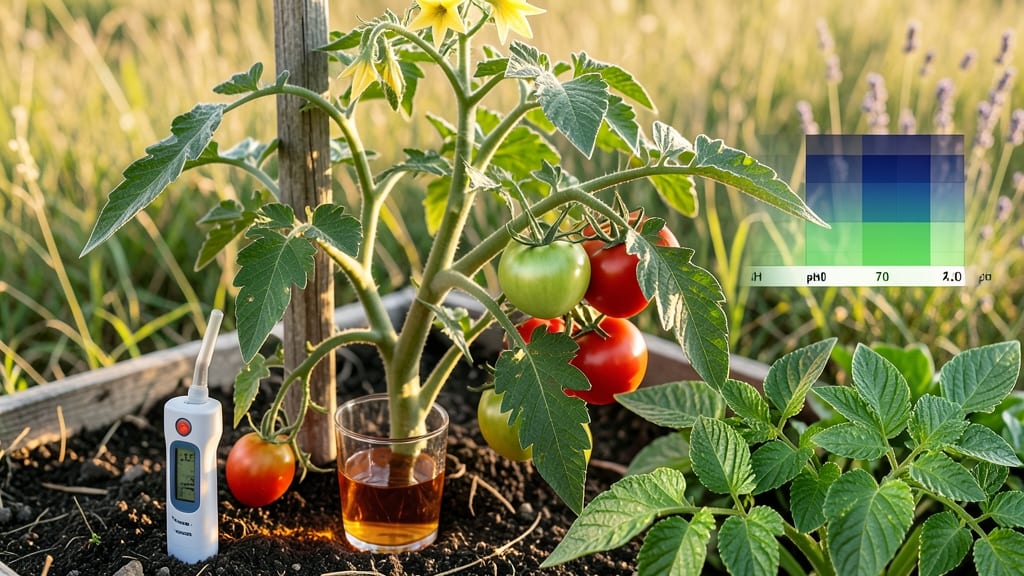
The pH of tomato juice typically ranges between 4.3 and 4.9, making it mildly acidic and ideal for preserving flavor while supporting microbial safety in canning and cooking. This acidity also enhances its natural sweetness and tanginess, balancing umami notes in dishes.
The acidity in tomato juice comes from organic acids like citric and malic acids, which develop as tomatoes ripen. 🔥 These compounds not only influence taste but also play a crucial role in food preservation by inhibiting harmful bacteria growth.
For example, the tangy kick in homemade marinara sauce comes from this natural acidity, which also helps tenderize meat when used in marinades.
Processing methods can slightly alter this pH range. Pasteurization or fermentation may reduce acidity, while adding lemon juice or vinegar can increase it—both adjustments are common in cooking and canning. Understanding these variations helps chefs and home cooks balance flavors while ensuring food safety.
💡 In This Article
- How Tomato Juice Acidity Develops in Plants and Processing
- Adjusting Tomato Juice pH for Cooking and Preservation
How tomato juice acidity develops in plants and processing
Tomatoes naturally produce three primary acids—citric, malic, and ascorbic—that determine their pH. Citric acid, the dominant contributor, accounts for 60-70% of the total acidity, while malic acid adds a sharper, apple-like tang.
As tomatoes ripen on the vine, these acids gradually break down into sugars, shifting the pH upward from 3.5 in unripe fruit to 4.3-4.9 in ripe juice. This chemical transformation is why green tomatoes taste more sour than their red counterparts.
The ripening process also involves enzymatic activity that converts malic acid into fumaric acid, further influencing flavor and acidity. When tomatoes are crushed into juice, the cellular structure breaks down, releasing these acids into the liquid.
Processing methods like pasteurization (185-212°F) can slightly reduce acidity by denaturing enzymes that contribute to acid breakdown, while fermentation (used in products like ketchup) introduces lactic acid bacteria that may lower pH further to 3.8-4.2. 🌱 This explains why store-bought tomato juice often tests slightly more acidic than fresh homemade versions.
Harvest timing plays a critical role too. Tomatoes picked at peak ripeness (full red color, soft texture) yield juice with balanced acidity, while early harvests contain higher malic acid levels.
The variety matters as well—heirloom tomatoes like Brandywine typically have lower acidity (4.5-4.8) compared to hybrid varieties bred for processing (4.2-4.5). This genetic variation is why some tomato sauces taste more mellow while others pack a sharper punch.
Temperature during processing creates another layer of complexity.
Cold-pressing tomatoes preserves more natural acidity, while heat extraction during commercial processing can volatilize some acids, slightly raising pH. The presence of ascorbic acid (vitamin C) also acts as a natural preservative, though its levels decline with prolonged exposure to oxygen or light.
These factors combine to create the subtle differences in acidity you might notice between fresh-squeezed juice and shelf-stable products.
What's fascinating is how these chemical processes directly translate to sensory experience. The 4.3-4.9 pH range sits perfectly in the "mildly acidic" zone for human taste buds, where tartness enhances sweetness without overpowering it.
This is why tomato-based dishes often achieve that perfect balance between rich umami flavors (from cooking tomatoes) and bright acidity. The science of tomato acidity explains why a splash of tomato juice can elevate everything from pasta sauces to Bloody Mary cocktails.