
Vegetables
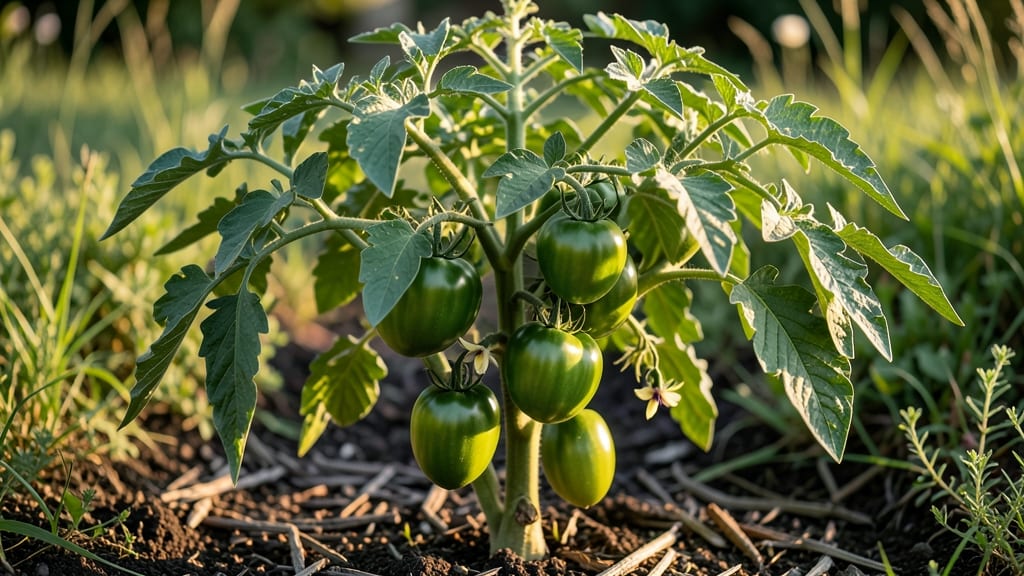
Oblong tomato types like Roma and San Marzano deliver the perfect balance of meaty texture and rich flavor for sauces and pastes—once you master their unique growing needs. 🌱 Unlike slicing tomatoes that sprawl, these varieties grow in compact bushes that need strategic pruning to prevent overcrowding and disease.
I’ve grown both for years, and the difference in yield after proper pruning is night and day—sometimes doubling the harvest. The secret isn’t just cutting branches; it’s timing and technique.
Prune suckers (those little shoots between the stem and branches) every 2-3 weeks starting when plants hit 12 inches tall, always leaving 2-3 leaves above the cut.
These tomatoes thrive in full sun (6-8 hours daily) and well-draining soil with a pH of 6.0-6.8, but their real magic happens when you shape them right—more leaves mean more fruit, but too many shade the lower branches.
You’ll end up with thick-skinned, paste-perfect tomatoes that resist cracking and split less than other types. The flavor? Deep, smoky, and complex—ideal for sauces, but also great roasted or sun-dried. Roma tomatoes, in particular, hold up better when canned, making them a kitchen staple for any home gardener.
Works for container gardens (5-gallon pots minimum) or in-ground beds, and the same pruning rules apply whether you’re growing one plant or a full row. Here’s how to get started without losing your harvest to leggy, overgrown vines.
📚 In This Guide
- What you need
- Instructions
- Tips and common mistakes
- Wrapping up and next steps
What you need
- ● Oblong tomato seeds or seedlings: Choose disease-resistant varieties like 'Roma' or 'San Marzano' (5-10 plants for a small garden).
- ● Well-draining potting mix: 10-15 gallons (or enough to fill containers 12" deep). Look for a blend with compost and perlite.
- ● Containers or garden bed: For containers: 5-gallon pots or larger (1 plant per container).
- ● For in-ground: Full sun (6+ hours/day) and loose, fertile soil.
- ● Fertilizer: Balanced organic fertilizer (10-10-10) or compost tea for pruning recovery.
- ● Pruning tools: Bypass pruners (sterilized with rubbing alcohol).
- ● Garden shears (for larger stems).
- ● Stakes or cages: 6-8 ft tall for support (1 per plant).
- ● Trellis system: For vertical growth (if space is limited).
- ● Mulch: Straw or shredded leaves to retain moisture.
- ● Plant ties: Soft cloth or Velcro straps to secure vines.
- ○ Growth regulator: Optional seaweed extract to boost bushiness.
How to prune oblong tomato varieties for thicker growth
Here’s my go-to method for transforming leggy oblong tomatoes into sturdy, productive plants—no fancy tools needed.
🌿 Step 1: Identify and Remove Suckers Early
Start when your oblong tomato plants reach 12-18 inches tall. Suckers are the tiny shoots growing between the main stem and branches—these steal energy from fruit production. Pinch them off with your thumb and forefinger or use clean pruning shears for larger suckers. I do this weekly, especially after rain or watering when stems are flexible.
Don’t wait until suckers grow bigger than a pencil. At that stage, removing them stresses the plant and can attract pests. Focus on the top third of the plant first, where suckers appear most aggressively. You’ll see new side shoots form within 5-7 days—these are your future fruiting branches.
✂️ Step 2: Prune Lower Leaves for Airflow
Once your plant hits 3 feet tall, strip off the bottom 6-8 inches of leaves. This prevents soil-borne diseases like early blight from splashing onto lower stems. Use sharp scissors or your fingers to avoid tearing the plant. I leave a few leaves just above any suckers you’ve removed to protect new growth.
Watch for yellowing leaves—this signals over-pruning. If you see more than 20% of the foliage turning yellow, you’ve gone too far. Oblong tomatoes need leaves to photosynthesize, so always leave at least half the plant’s surface area covered in green leaves. Prune on a dry morning to let wounds heal faster.
☀️ Step 3: Balance Growth with Strategic Cuts
When your plant reaches 4-5 feet tall, focus on thinning branches to encourage thicker stems. Remove the weakest branch at each junction where two stems meet—this redirects energy to stronger growth. I look for branches with smaller leaves or fewer flowers as the first candidates for pruning.
Leave 3-4 main branches on indeterminate oblong types (like Roma or San Marzano). For determinate varieties, prune less aggressively—just remove suckers and dead leaves. You’ll know you’re doing it right when the remaining branches double in thickness within 3-4 weeks and produce larger fruit clusters.
💧 Step 4: Post-Prune Care for Recovery
After pruning, water deeply to help the plant recover. I use a soaker hose to avoid wetting leaves, which reduces disease risk. Fertilize with a balanced 10-10-10 formula 3 days after pruning to support new growth. Avoid high-nitrogen fertilizers—they encourage leafy growth over fruit.
Keep pruned plants in full sun (6+ hours daily) and monitor for new suckers every 5-7 days. If you notice wilting or curled leaves after pruning, it’s a sign of shock—reduce sunlight slightly for a day or two. Within 2 weeks, you’ll see thicker stems, more flowers, and heavier fruit sets—the payoff for your effort.
⏰ Step 5: Late-Season Pruning for Extended Harvest
When your oblong tomatoes start ripening, shift focus to removing spent fruit clusters. Cut off any overripe or rotting tomatoes to prevent disease spread. I also prune any branches with more than 3-4 fruit clusters—this keeps the plant’s energy focused on ripening existing tomatoes rather than supporting new ones.
Stop pruning 4-6 weeks before your first frost. At this point, the plant’s energy should go toward ripening remaining fruit, not new growth. You’ll know it’s time to stop when you see yellow leaves at the base—a natural signal that the plant is preparing for dormancy. Harvest all remaining fruit before temperatures drop below 50°F.
Tips & tricks for perfect oblong tomato growth
These simple strategies will help you transform those floppy oblong tomato plants into sturdy, high-yielding bushes.
Timing is Everything: In Step 1, when removing suckers from your 12-18 inch plants, focus on the top third first. This is where new suckers appear most aggressively. I've found that checking every 5-7 days after rain or watering (when stems are flexible) makes this task much easier. The key is consistency—those new side shoots will appear within 5-7 days of removing suckers, so stay on top of it!
Visual Growth Cues: In Step 3, when your plants reach 4-5 feet, look for branches with smaller leaves or fewer flowers to remove first. These are the weakest branches stealing energy from your main fruit producers. I've noticed that within 3-4 weeks of strategic pruning, the remaining branches visibly double in thickness and produce noticeably larger fruit clusters. This visual feedback is your reward for proper pruning!
Recovery Care: After any pruning session, especially in Step 4, water deeply using a soaker hose to avoid wetting leaves. This prevents disease while helping the plant recover. I've learned that fertilizing with a balanced 10-10-10 formula exactly 3 days after pruning gives the plant just the right boost without overwhelming it. The difference in recovery time is remarkable compared to fertilizing immediately after pruning.
Seasonal Watch: In late season (Step 5), remember that stopping pruning 4-6 weeks before your first frost is crucial. The yellow leaves at the base are nature's signal that it's time to let the plant focus on ripening fruit. I always harvest all remaining fruit before temperatures drop below 50°F to ensure maximum yield from my carefully pruned plants.
Pro Tips for Oblong Tomato Type
- These simple strategies will help you transform those floppy oblong tomato plants into sturdy, high-yielding bushes.
- Timing is Everything: In Step 1, when removing suckers from your 12-18 inch plants, focus on the top third first.
- Visual Growth Cues: In Step 3, when your plants reach 4-5 feet, look for branches with smaller leaves or fewer flowers to remove first.
Frequently asked questions
Got questions about growing oblong tomato varieties? You’re not alone!
Whether you’re a seasoned gardener or a curious beginner, these answers will help you master pruning and care for bushier, more productive plants.
What’s the best time to start pruning oblong tomato plants?
Prune your oblong tomato plants after they’ve established 4-5 main stems (about 2-3 weeks post-transplant). Focus on removing suckers (the small shoots between the main stem and branches) to redirect energy to fruit production. Avoid heavy pruning early—wait until the plant is at least 12 inches tall!
How much should I prune oblong tomato plants for bushier growth?
For bushier growth, prune moderately—remove about half of the suckers (leave 1-2 per stem). Over-pruning can stress the plant, while under-pruning may reduce airflow, increasing disease risk. Aim for a balanced shape with 3-5 main branches per plant. Pro tip: Use clean, sharp scissors to avoid tearing stems!
Can I prune oblong tomatoes in hot or humid weather?
Pruning in extreme heat (above 90°F) or high humidity can stress plants, making them more susceptible to disease. Opt for early morning or late afternoon sessions when temperatures are mild. If humidity is an issue, space plants wider for airflow and avoid wet foliage when pruning.
Are there oblong tomato varieties that need less pruning?
Yes! Some oblong tomato varieties, like ‘Roma’ or ‘San Marzano’, are determinate (bush-type) and require minimal pruning—just remove diseased leaves or suckers at the base. Indeterminate oblong types (e.g., ‘Black Krim’) need regular pruning for bushier growth. Check your seed packet for variety-specific tips!
What should I do if my oblong tomato plant stops growing after pruning?
If growth stalls, your plant may be stressed from over-pruning or poor nutrition. Check for:
- Yellowing leaves (nitrogen deficiency—add compost or fertilizer).
- Wilting (underwatering—tomatoes need 1-2 inches of water weekly).
- Pests (aphids or spider mites—spray with neem oil).
Wrapping up and next steps
Mastering the art of pruning oblong tomato types unlocks their full potential—bushier plants, more abundant harvests, and robust health! 🌱 Whether you’re a seasoned gardener or just starting, these secrets will transform your approach.
Now that you’re armed with the right tools and techniques, roll up your sleeves and give your tomatoes the care they deserve.
Your next step? Experiment with confidence! Try different pruning styles, track your progress, and share your success stories. Happy gardening—your future harvests will thank you! 🍅✨