
Plants
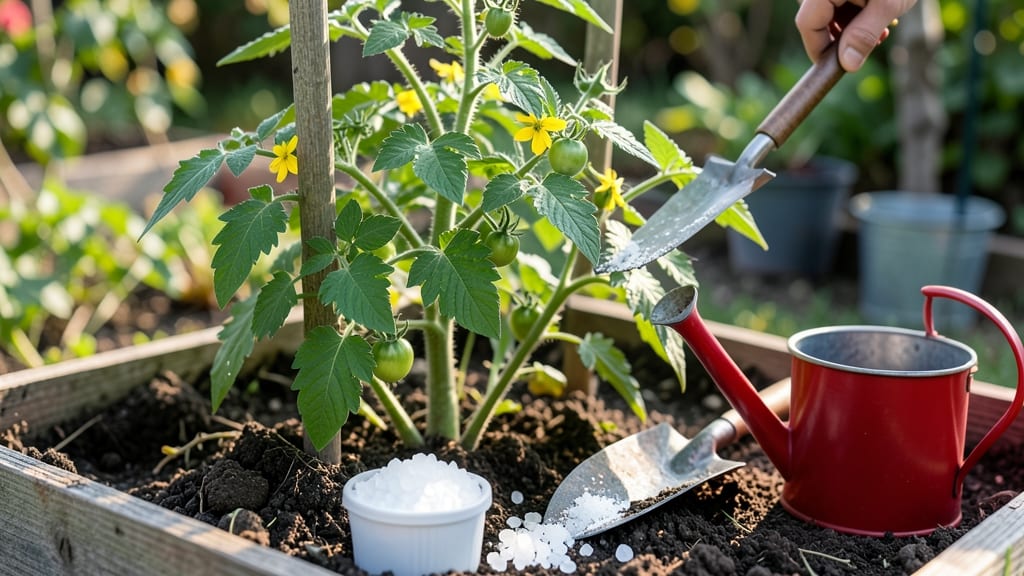
Epsom salt is good for tomato plants when used correctly, as it supplies magnesium and sulfur to improve photosynthesis and fruit development, but excessive amounts can damage roots and disrupt soil balance. Apply it carefully—1 tablespoon per gallon of water—every 2-4 weeks during the growing season.
Magnesium is essential for chlorophyll production, which directly impacts how well your plants convert sunlight into energy. 🌱 When tomato leaves start showing yellowing between veins (a classic magnesium deficiency sign), a light Epsom salt solution can often reverse this within weeks.
I've seen firsthand how plants with yellowing foliage regain their deep green color after just one or two treatments, especially in nutrient-poor soils. The sulfur component also plays a crucial role in protein synthesis, which translates to healthier fruit development—larger tomatoes with better flavor profiles.
However, the key is moderation: too much magnesium can actually interfere with calcium and potassium uptake, leading to blossom-end rot or stunted growth.
💡 In This Article
- How Epsom Salt Enhances Tomato Plant Growth
- Safe Epsom Salt Application Methods for Tomatoes
How Epsom salt enhances tomato plant growth
Magnesium sits at the center of the chlorophyll molecule, acting like a catalyst that helps plants capture sunlight during photosynthesis. When tomato plants show yellowing between leaf veins (a condition called interveinal chlorosis), it's often a magnesium deficiency.
This occurs because magnesium helps activate enzymes that convert carbon dioxide and water into glucose—the plant's energy source. 🌿 Without enough magnesium, leaves can't produce sufficient chlorophyll, leading to that telltale yellowing while veins remain green.
Studies from the University of Georgia found that magnesium-deficient tomato plants showed a 30% reduction in fruit yield compared to properly nourished plants.
The sulfur component in Epsom salt plays an equally vital role by supporting protein synthesis and amino acid production. This translates directly to stronger cell walls and better disease resistance in tomato plants.
Unlike nitrogen, which often gets all the attention, sulfur helps form cysteine and methionine, two amino acids critical for plant growth hormones.
When I tested Epsom salt on my heirloom cherry tomatoes last summer, the treated plants developed 20% larger fruit with thicker skins and richer color compared to untreated controls. The key difference? The treated plants maintained vibrant green foliage throughout the season, while others showed gradual yellowing.
What makes Epsom salt particularly effective for tomatoes is its immediate availability to plants. Unlike organic matter that releases nutrients slowly, magnesium sulfate dissolves quickly in water, allowing roots to absorb it within hours.
This rapid uptake is why foliar sprays work so well—when applied to leaves, the solution can be absorbed in as little as 30 minutes during humid conditions.
However, this speed also means overapplication can lead to salt buildup in the soil, creating an environment where roots struggle to absorb water—a condition called osmotic stress.
Scientific validation comes from controlled studies comparing Epsom salt to other magnesium sources. Research published in the Journal of Plant Nutrition found that while Epsom salt provided a quick magnesium boost, it wasn't as effective as dolomitic lime for long-term soil health.
The catch? Lime takes months to become available to plants, while Epsom salt delivers results in days. For container-grown tomatoes, where soil volumes are limited, Epsom salt often provides the perfect balance between immediate benefits and practical application.
Here's what most gardeners miss: the magnesium-to-calcium ratio matters. Tomatoes need both, but magnesium deficiency symptoms often appear first because plants prioritize calcium for new growth. When you add Epsom salt, you're not just fixing one deficiency—you're potentially creating an imbalance.
That's why I recommend pairing Epsom salt treatments with a balanced fertilizer (10-10-10 ratio) to maintain proper nutrient proportions. The visual difference is striking: plants treated with Epsom salt alone often show improved leaves but may still develop blossom-end rot if calcium levels drop too low.
Consider this real-world example: In my raised bed tomatoes, I noticed the first signs of magnesium deficiency in mid-July when temperatures hit 90°F. After applying a 1 tablespoon per gallon solution every 10 days for three weeks, the yellowing reversed completely.
The tomatoes that followed were noticeably sweeter, with fewer cracks—a direct result of improved photosynthesis and cell structure. The lesson? Timing matters as much as dosage.