
Vegetables
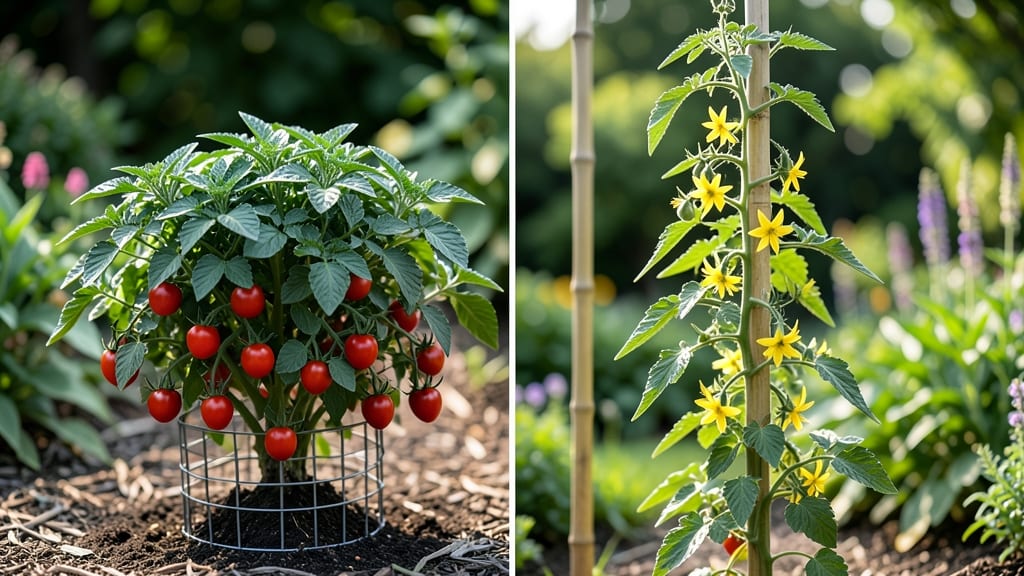
Choosing between determinate or indeterminate husky cherry tomatoes depends on your garden space and harvest goals, as determinate types produce compact vines with a single harvest while indeterminate varieties grow continuously with larger yields over time.
Determinate husky cherry tomatoes thrive as self-contained plants that stop growing once they set fruit, making them perfect for containers or small gardens. 🌱 Their compact size (typically 2-4 feet tall) ensures neat rows and predictable harvest windows, usually within a 2-3 week period.
Indeterminate types, on the other hand, keep growing and producing fruit until frost, but they require sturdy trellises or cages to support their sprawling vines that can reach 6-8 feet tall. This continuous growth pattern rewards patient gardeners with a steady supply of tomatoes throughout the season.
For space-efficient gardens, determinate varieties like 'Husky Gold' deliver concentrated harvests in a small footprint, while indeterminate types such as 'Husky Red' maximize yields for those with vertical growing space. The trade-off? Determinate plants offer convenience and tidiness, while indeterminate types provide prolonged productivity for fresh-picking enthusiasts.
💡 In This Article
- Key Differences Between Determinate and Indeterminate Husky Cherry Tomatoes
- Best Husky Cherry Tomato Varieties by Growth Type and Garden Needs
Key differences between determinate and indeterminate husky cherry tomatoes
The fundamental difference between these growth types lies in their botanical structure. Determinate husky cherry tomatoes develop as bush-type plants with a self-limiting growth habit—they reach a predetermined size (typically 2-4 feet tall) and produce fruit in a concentrated 2-3 week harvest window.
This growth pattern is genetically programmed to stop once the plant sets its first fruits, creating a single flush of production. The plant's energy shifts entirely to ripening those tomatoes rather than growing taller or wider.
Indeterminate varieties, however, follow an entirely different growth pattern. These plants continue growing indefinitely throughout the growing season until frost kills them, producing new flowers and fruit continuously from early summer until fall.
Their vines can sprawl 6-10 feet tall or longer if properly supported, with each new terminal growth producing another cluster of tomatoes.
The key difference is in their apical dominance—determinate plants have a strong terminal bud that stops growth, while indeterminate plants keep sending out new shoots from leaf axils, creating an endless vine.
This growth difference translates directly to harvest patterns. Determinate plants offer predictable, concentrated yields—ideal for canning or preserving—while indeterminate types provide steady, fresh-picked tomatoes throughout the season.
For example, a 4-foot-tall determinate plant might yield 1-2 pounds of cherry tomatoes in its single harvest, whereas an indeterminate plant on a 6-foot trellis could produce 5-10 pounds over 8-10 weeks. The trade-off?
Determinate plants require less maintenance but offer shorter production windows, while indeterminate varieties demand regular pruning and support but reward with extended harvests.
The vine structure also affects disease resistance and air circulation. Determinate plants have denser foliage that can trap moisture, increasing susceptibility to fungal diseases like early blight. Indeterminate varieties benefit from better air flow when trellised, reducing disease risk but requiring more frequent pruning to maintain plant health.
The leaf-to-fruit ratio differs too—determinate plants allocate more energy to fruit production early, while indeterminate plants distribute energy across ongoing growth and fruiting cycles.
Consider your garden's microclimate when choosing. Determinate types thrive in cooler, shorter seasons where you want to maximize early production before heat stress sets in. Indeterminate varieties excel in long, warm growing seasons, where their continuous production can extend your harvest well into fall.
For example, in Zone 5 gardens, determinate husky cherry tomatoes might finish their harvest by mid-August, while indeterminate types could keep producing until a hard frost in October.
Here's a quick comparison of the two growth habits:
- Height: Determinate (2-4 ft) vs Indeterminate (6-10+ ft)
- Harvest Duration: Determinate (2-3 weeks) vs Indeterminate (8-10+ weeks)
- Yield Concentration: Determinate (single flush) vs Indeterminate (continuous production)
- Space Needs: Determinate (compact, good for containers) vs Indeterminate (requires trellising)
- Disease Risk: Determinate (higher from dense foliage) vs Indeterminate (lower with proper trellising)
The choice ultimately comes down to whether you prioritize convenience and space efficiency (determinate) or extended harvests and higher yields (indeterminate). For small urban gardens or balcony containers, determinate types offer the perfect solution, while larger home gardens benefit from the prolonged production of indeterminate varieties. 🌿