
Companion Plants
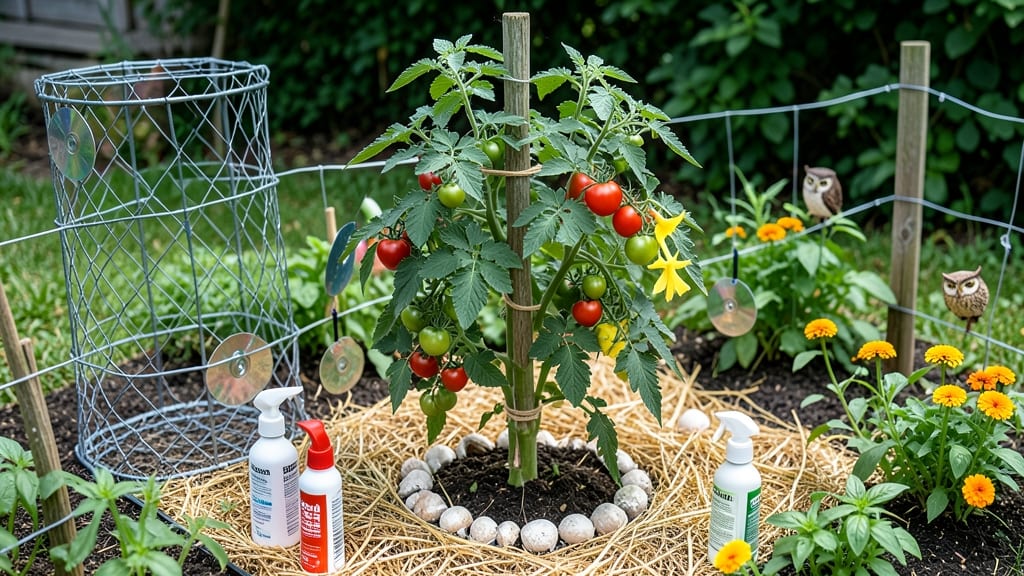
How to protect tomato plants from animals nearly became my biggest summer challenge—until I learned these barrier hacks that actually work. 🌱 The key isn't just one trick but layered defenses that keep critters out while letting your plants thrive. I tried everything from cheap netting to motion-activated sprinklers, and here's what stopped the gnawing for good.
You'll need sturdy materials—like heavy-duty fencing or wire mesh for rabbits, bird netting for squirrels, and even DIY collars for young tomato stems. The best part? Most solutions cost under $20 and take less than an hour to set up.
I also share my go-to repellents (like hot pepper spray) that work without harming your garden's ecosystem.
By the time your tomatoes ripen, you'll have zero damage and a garden that looks like a fortress—not a snack bar. The secret is combining physical barriers with smart timing: harvest early, plant deterrents nearby, and always check for new chew marks at dawn.
Trust me, your future tomatoes will thank you.
Works for backyards, containers, and even small urban plots. Here's the step-by-step breakdown—no more lost harvests to hungry neighbors.
📚 In This Guide
- What you need
- Instructions
- Tips and common mistakes
- Wrapping up and next steps
What you need
- ● Fencing or netting: Heavy-duty chicken wire (19-gauge, 1" x 2" mesh) – 50–100 ft (depending on garden size).
- ● Plastic bird netting (1/2" mesh) – 30–50 ft (for smaller gardens or spot protection).
- ● Hardware cloth (1/4" mesh) – 20–40 ft (for groundhogs or burrowing pests).
- ● Stakes or posts: Wooden or metal T-posts (2–3 ft tall) – 6–12 stakes (1 every 3–4 ft).
- ● Galvanized nails or zip ties – 20–30 pieces (to secure netting).
- ● Repellents (natural or commercial):strong> Hot pepper wax (homemade or store-bought) – 1–2 bottles.
- ● Commercial predator repellent (e.g., Bobby’s Liquid Fence) – 1 gallon.
- ● Pruning shears or scissors – For trimming plants to fit barriers.
- ● Gloves – Heavy-duty work gloves to protect hands.
- ● Reflective tape or old CDs: Attach to netting to scare off birds.
- ● Decoy predators: Fake owls or snakes (reposition weekly!).
- ● Companion plants: Basil, marigolds, or garlic (plant nearby to deter pests naturally).
- ● Motion-activated sprinkler: Deters deer and rabbits with a surprise spray.
- ● Plant collars: Cardboard or plastic tubes (6" tall) – 1 per plant (for cutworm protection).
Step-by-step instructions for safeguarding tomato plants from pests
Here’s how I’ve kept my tomato plants thriving—no more chewed leaves or missing fruit.
🪴 Step 1: Assess Your Biggest Threats
First, identify what’s actually attacking your plants. Deer, rabbits, squirrels, and even neighborhood cats each need different defenses. I watch for specific signs: deer tear leaves into ragged edges, rabbits chew cleanly at the base, and squirrels go for ripe tomatoes. Note where the damage happens—near the fence line or in full sun spots.
If you’re unsure, set up a simple camera trap (even a phone on a tripod) near your plants for a day. You’ll spot the culprit and know exactly what to block. For example, if deer are the issue, a tall fence won’t cut it—you’ll need something they can’t jump over.
✂️ Step 2: Install Physical Barriers Early
For rabbits and deer, I use chicken wire fencing (at least 3 feet tall for deer, 2 feet for rabbits) buried 6 inches deep to prevent digging. Stretch it tightly between stakes and secure the top with wire or zip ties—animals will squeeze through gaps. For squirrels, wrap fine mesh hardware cloth around individual plants or stake it over the entire bed.
Don’t wait until you see damage to install barriers. Animals learn patterns, and once they realize your tomatoes are easy pickings, they’ll return daily. I install mine before seedlings even sprout—it’s easier than retrofitting later.
🌱 Step 3: Use Repellents Strategically
Commercial repellents like hot pepper spray or rotten egg scent work best when applied every 5-7 days or after rain. I mix 1 tablespoon cayenne pepper with 1 gallon water and a few drops of dish soap (as a binder), then spray directly on leaves and around the base. The smell deters deer and rabbits, but it washes off quickly, so reapply after heavy rain.
For squirrels, I’ve had luck with motion-activated sprinklers—they startle the critters without harming them. Place them near the plants so the sudden spray scares them off. Just make sure the range covers the entire area; squirrels are clever and will test boundaries.
☀️ Step 4: Protect Ripe Fruit with Direct Measures
Once tomatoes start ripening, I switch to individual protection. For ground-level fruit, I place small cages made from chicken wire (about 6 inches tall) around each plant. For vining varieties, I drape lightweight row covers (like frost cloth) over the entire plant, securing them with clips or bricks to keep them from blowing away.
If birds are the issue (they love ripe tomatoes too), I hang old CDs or aluminum pie plates from strings above the plants. The reflection and movement scare them off. I’ve also tied netting loosely over clusters of fruit—just enough to block access without suffocating the plants.
💧 Step 5: Monitor and Adjust as Needed
Check your barriers weekly for gaps, tears, or signs of wear. Animals will test weak spots, so reinforce anything they’ve chewed or dug under. I keep a small roll of wire and zip ties handy for quick repairs. If repellents stop working, rotate between pepper spray, garlic-based sprays, or commercial products—animals can build up tolerance to one scent over time.
Also, move sprinklers or repellent stations if you notice animals avoiding them. Sometimes a slight shift in placement makes all the difference. And if all else fails, companion planting with marigolds or basil can deter some pests with their strong scents—though it’s not a standalone solution.
Tips & tricks for protecting tomato plants from animal pests
Real talk: The difference between a thriving tomato harvest and a sad, half-eaten garden often comes down to these small but critical details. Here's what nobody tells you about keeping your plants safe.
Early Intervention is Everything: I learned this the hard way after ruining three batches of seedlings by waiting too long to install barriers. The moment you notice the first signs of chewing—whether it's ragged edges from deer or clean bites at the base from rabbits—start implementing defenses immediately. Animals learn patterns fast, and once they realize your garden is vulnerable, they'll return daily. Don't wait until you see significant damage to act; by then, it's already too late for those plants.
Barrier Installation Secrets: When setting up your chicken wire fencing for deer or rabbits, bury it at least 6 inches deep and stretch it tightly between stakes. I've seen too many gardens fail because homeowners didn't secure the top properly—animals will squeeze through even small gaps. For squirrels, use fine mesh hardware cloth that's at least 1/4-inch mesh size. The smaller the holes, the better. I always keep extra wire and zip ties on hand for quick repairs after storms or animal testing.
Repellent Rotation Strategy: The key to making repellents like hot pepper spray effective is consistency and variety. Animals can build up tolerance to single scents, so I rotate between pepper spray, garlic-based repellents, and commercial products every 2-3 weeks. Also, always reapply after rain—those 5-7 day intervals only apply to dry conditions. Pro tip: Add a few drops of dish soap to your homemade pepper spray mixture as a binder. It helps the spray stick to leaves longer.
Ripe Fruit Protection Hack: For vining tomato varieties, I've found that lightweight row covers work best when you secure them with bricks or heavy rocks at the edges—not just clips. The weight prevents wind from blowing them away while still allowing sunlight and water through. And for individual fruit protection, those 6-inch tall chicken wire cages around each plant are a game-changer. They're easy to install and remove once the fruit is harvested, making them perfect for ground-level varieties.
Pro Tips for Protect Tomato Plants From Animals
- Real talk: The difference between a thriving tomato harvest and a sad, half-eaten garden often comes down to these small but critical details.
- Early Intervention is Everything: I learned this the hard way after ruining three batches of seedlings by waiting too long to install barriers.
- Barrier Installation Secrets: When setting up your chicken wire fencing for deer or rabbits, bury it at least 6 inches deep and stretch it tightly between stakes.
Frequently asked questions
about protecting tomato plants from animals—because even the best gardeners have questions! Here’s what you need to know before getting started.What’s the best time of year to install animal deterrents?
Install barriers before planting or as soon as seedlings go in the ground—especially in spring! Animals like rabbits and deer are opportunistic, so early protection (like fencing or repellent sprays) gives your plants a fighting chance. For pests like squirrels or birds, wait until fruit sets to avoid trapping them inside netting.
Can I use natural repellents instead of chemical sprays?
Try hot pepper spray (mix cayenne with water and dish soap), garlic or onion juice, or even predator urine (fox or coyote). For larger animals, plant companion plants like marigolds or basil—their strong scents mask tomato smells. Just reapply after rain!
How tall should my tomato cages or fencing be?
For rabbits and ground squirrels, 12–18 inches is ideal. Deer need 8-foot fencing (yes, really!) or electric tape. If birds are the issue, use fine mesh netting (¼-inch holes) draped loosely over plants to avoid crushing stems. Pro tip: Bury fencing 6 inches deep to block diggers!
What if animals keep coming back after I’ve tried everything?
Rotate your strategies! If sprays fail, switch to physical barriers (like hardware cloth) or ultrasonic repellents. For persistent deer, try motion-activated sprinklers or plant a deer-resistant buffer (e.g., lavender or rosemary) around the perimeter. Patience and layering defenses work best!
Will these methods harm my tomato plants or beneficial insects?
Most barriers (netting, fencing) are plant-safe, but check labels on sprays—some can burn leaves. Avoid broad-spectrum pesticides; opt for targeted solutions like neem oil (safe for bees when used at dusk). Always test sprays on a small leaf first!
Wrapping up and next steps
Protecting your tomato plants from hungry critters doesn’t have to be a guessing game—just a little strategy and the right barriers can make all the difference! 🌱 From fencing and netting to natural repellents and companion planting, you now have a toolkit to keep your garden thriving. Start small: try one method this season, observe what works best in your space, and adjust as needed.
Your hard work will pay off with a bountiful harvest, so don’t wait—get out there and shield those plants today! 🍅✨