
How To
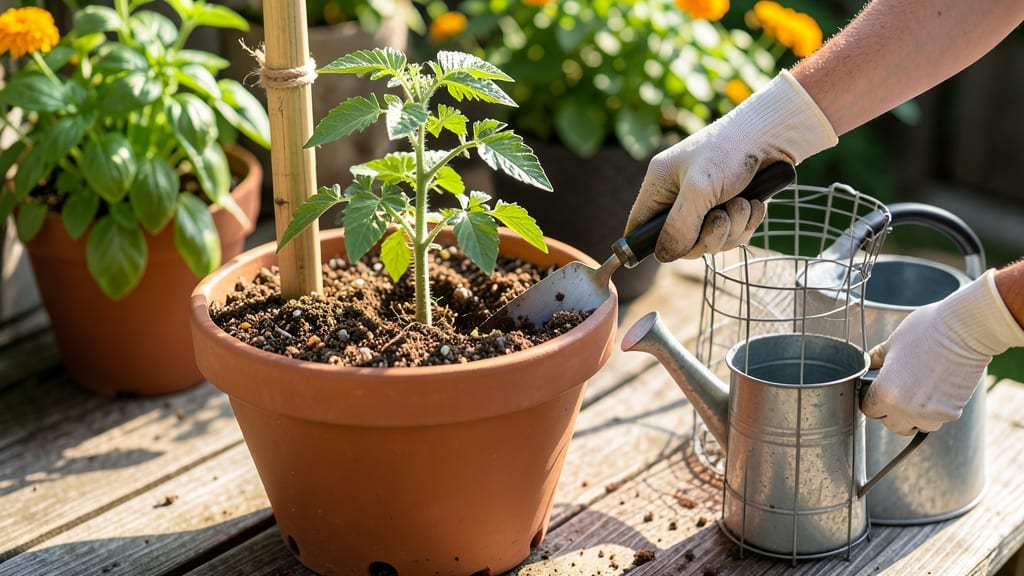
To plant a tomato plant in a pot, you’ll need the right container, soil, and a few simple tricks to keep your 🍅 thriving all season long.
Picture this: you’re eyeing a tiny seedling, dreaming of juicy red tomatoes, but your balcony or patio space is limited. The secret isn’t just choosing a pot—it’s how you set it up for success. Too-small containers mean stunted growth, while the wrong soil can leave your plants thirsty or suffocated.
I’ve learned the hard way that drainage, sunlight, and even the pot’s material make all the difference between a handful of tomatoes and a full harvest.
This guide breaks down everything from picking the perfect pot size (yes, it matters!) to planting depth, watering schedules, and when to fertilize—so you can avoid the most common mistakes that kill container tomatoes.
Whether you’re starting from seeds or transplanting seedlings, you’ll walk away with a foolproof system for bigger, healthier plants.
Ready to grow? By the end, you’ll know exactly how to create the ideal growing conditions, troubleshoot issues before they start, and enjoy a bountiful harvest—even in a small space.


Choosing the right pot size and type for tomato plants
When growing tomatoes in containers, the pot you choose isn't just about aesthetics—it directly impacts your plant's root health, yield potential, and even flavor development. Tomatoes are heavy feeders, and their roots need ample space to spread and absorb nutrients.
Using the wrong container can stunt growth or lead to root-bound stress, where roots circle the pot and compete for resources.
Tomatoes come in two main growth habits: determinate (bush-type) and indeterminate (vining). Determinate varieties like 'Roma' or 'Celebrity' stay compact, typically reaching 3-4 feet tall, while indeterminate types like 'Sungold' or 'Better Boy' can grow 6-10 feet tall if supported.
Your container choice should match your tomato's growth habit to avoid overcrowding or wasted space.
Container materials also play a crucial role. Plastic pots are lightweight and affordable but may not insulate roots as well in extreme temperatures. Fabric grow bags allow roots to breathe and reduce transplant shock, while ceramic or terracotta pots offer better insulation but can dry out faster.
Always prioritize containers with drainage holes—tomatoes hate soggy roots, which can lead to fungal diseases like blight.
| Pot Type | Best For | Size Range | Drainage | Yield Impact |
|---|---|---|---|---|
| 5-Gallon Plastic | Determinate tomatoes, small spaces | 12" diameter x 12" deep | ✅ Good (add holes if missing) | Moderate (10-15 tomatoes) |
| 7-Gallon Fabric Grow Bag | Indeterminate tomatoes, urban balconies | 14" diameter x 18" deep | ✅ Excellent (breathable roots) | High (20-30 tomatoes) |
| 10-Gallon Ceramic | Heirloom tomatoes, patio gardens | 16" diameter x 16" deep | ⚠️ Moderate (check for holes) | Very High (30-50 tomatoes) |
| 3-Gallon Hanging Basket | Cherry tomatoes, small spaces | 10" diameter x 10" deep | ✅ Good (if drilled) | Low (5-10 tomatoes) |
| 15-Gallon Wooden Box | Multiple tomato plants | 20" L x 12" W x 12" D | ✅ Excellent (customizable) | Very High (50+ tomatoes) |
Pot size directly correlates with your tomato yield. A 5-gallon container might produce 10-15 tomatoes, while a 10-gallon pot can yield 30-50. For indeterminate varieties, aim for at least 7 gallons to accommodate their sprawling roots.
I once grew a 'Sungold' cherry tomato in a 3-gallon pot, but the plant struggled to support its fruit load, leading to fewer tomatoes and smaller sizes.
Drainage is non-negotiable. Without proper drainage, roots suffocate, leading to root rot and stunted growth. If your pot lacks holes, drill them yourself—especially for ceramic containers. For fabric grow bags, ensure they’re made of breathable material like burlap or heavy-duty fabric.
I recommend adding a 1-inch layer of gravel or perlite at the bottom to improve drainage further.
Color matters too! Light-colored pots reflect sunlight, keeping roots cooler in hot climates, while dark-colored pots absorb heat, which can be beneficial in cooler regions. If you live in a hot area, opt for white or light gray containers to prevent root stress.
I’ve seen tomatoes in black pots wilt faster in summer afternoons compared to those in white containers.
Don’t overlook the pot’s stability. Heavy ceramic pots can tip over as tomatoes grow top-heavy, especially in windy conditions. If using large containers, place them on a stable stand or secure them to a wall.
For tall indeterminate varieties, consider a cage or trellis to distribute weight evenly and prevent tipping.
Pro tip: If you’re short on space, try stackable containers or vertical gardening systems. Some urban gardeners use 5-gallon buckets with trellises to grow indeterminate tomatoes vertically, saving floor space while maximizing yield. Just ensure the container is deep enough to accommodate the plant’s root system.
Finally, rotate your pots every few weeks to ensure even sun exposure and prevent the plant from leaning toward the light. Uneven light can cause stunted growth or poor fruit development. I rotate my tomato pots weekly,
Step-by-step guide to planting tomato seeds or seedlings in pots
Planting tomatoes in pots is easier than you think, whether you're starting with tomato seeds or seedlings. The key is proper soil prep, correct planting depth, and setting up support early.
I’ve grown tomatoes in containers for years, and these steps ensure healthy plants with plenty of fruit. Let’s get your tomatoes off to the right start!
Before you begin, gather your supplies: a pot with drainage holes (at least 12 inches deep), high-quality potting mix, tomato seeds or seedlings, and a support system like tomato cages or stakes.
If you’re planting seeds, start them indoors 6-8 weeks before your last frost date, or sow directly in pots after all danger of frost has passed.
-
1
Prepare Your Pot and Soil
Fill your pot with moistened potting mix, leaving 1-2 inches of space at the top. For seeds, mix a pinch of compost into the soil to boost nutrients. If using seedlings, add a handful of balanced fertilizer to the mix. -
2
Plant Seeds or Seedlings
For seeds: Plant 2-3 seeds per pot, 1/4 inch deep, spacing them 1-2 inches apart. For seedlings, dig a hole twice as wide as the root ball and place the seedling at the same depth it was in its nursery pot. Gently firm the soil around it. -
3
Water Thoroughly
Water until the soil is evenly moist but not soggy. For seeds, keep the soil consistently moist until germination (about 7-14 days). For seedlings, water deeply to encourage root growth, then let the top inch of soil dry slightly between waterings. -
4
Add Support Early
Install tomato cages or stakes immediately after planting. This prevents root disturbance later. For indeterminate varieties, use a sturdy stake or trellis, while determinate types thrive in cages. Secure the plant gently to the support to avoid damaging stems. -
5
Thin Seedlings (If Applicable)
Once seedlings are 2-3 inches tall, thin them to the strongest plant per pot. Snip the weaker stems at the base with scissors to avoid disturbing the roots of remaining plants. This reduces competition for nutrients and space. -
6
Monitor and Troubleshoot
Watch for signs of overcrowding (yellowing leaves) or poor drainage (soggy soil). If leaves touch the pot’s sides, consider transplanting to a larger container. Mulch the soil surface to retain moisture and prevent soil-borne diseases.
One common mistake I see is planting seeds too deeply or using garden soil instead of potting mix. Tomato seeds need light to germinate, so keep them shallow.
Garden soil compacts in pots, cutting off airflow to roots. Always use a well-draining potting mix with added perlite or vermiculite for best results.
After planting, place your pots in a location with 6-8 hours of sunlight daily. If you notice the leaves curling or wilting, it could signal underwatering or overheating. Adjust your watering schedule based on the weather—potted tomatoes dry out faster than in-ground plants.
With these steps, you’ll be well on your way to a bountiful tomato harvest! 🌱