
Propagation
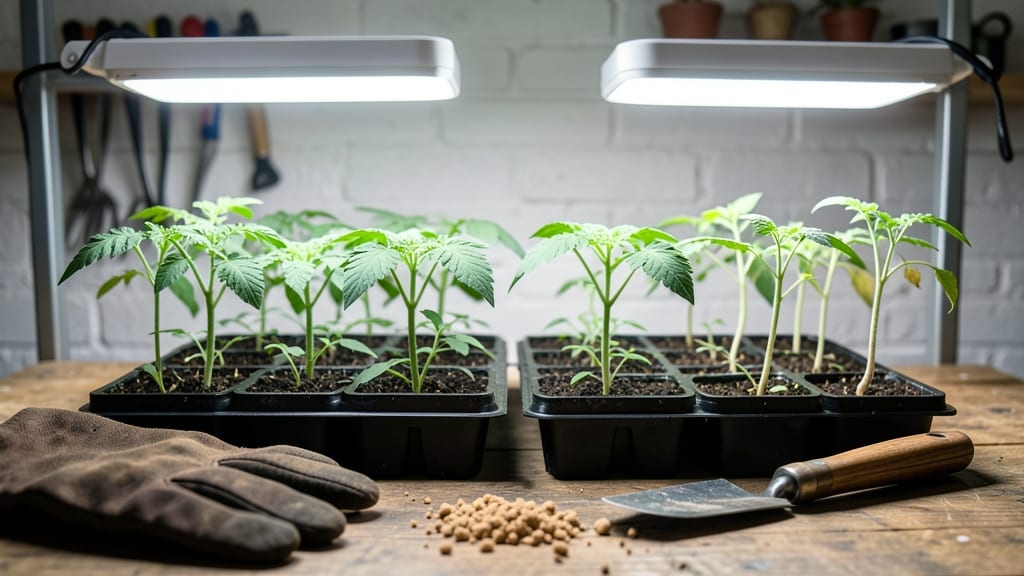
How to keep tomato seedlings from getting leggy—it’s all about a quick 5-minute light adjustment that can transform weak, stretched seedlings into sturdy plants ready for transplanting. 🌱 I’ve nursed dozens of leggy seedlings back to health using simple tricks that work even with limited space or cloudy days. The key is understanding why they stretch (it’s not just about light) and how to fix it fast.
Most leggy seedlings suffer from too little light or inconsistent light, causing them to stretch toward any available source. But overcrowding and uneven watering play a role too—think of it like a race where seedlings compete for sunlight, and the winners get weak and spindly.
The good news? You can reverse this in a week with the right moves, whether you’re using a sunny windowsill or a grow light.
What you’ll end up with are compact, dark-green seedlings that handle transplanting like pros. No more snapping stems or flopping plants—they’ll stand tall enough to support their own weight and start producing strong roots.
The best part? These tricks work for any tomato variety, from cherry to beefsteak, and prevent future legginess too.
We’ll cover quick fixes for existing seedlings, plus prevention strategies that save time and heartache next season. Whether you’re dealing with a single tray or a full seed-starting setup, these methods scale easily—and they’re foolproof once you know the science behind the stretch.
The Science Behind Stretchy Seedlings
Understanding why tomato seedlings stretch into leggy, weak stems isn’t just about aesthetics—it’s a survival response to their environment. When seedlings grow too tall and spindly, they’re essentially crying out for help in the form of light, warmth, and stability.
Here’s the breakdown of the real culprits behind this common (but fixable!) problem:
🌱 The Problem: Seedlings lean toward light sources (a phenomenon called phototropism), but when they don’t get enough, they elongate rapidly to reach it. This happens because: - Low light intensity reduces photosynthesis, forcing seedlings to prioritize stem growth over leaf development.
Think of it like a human stretching toward a dim lamp—you’d grow taller, but weaker, to reach it. - Blue light deficiency is especially critical. Blue wavelengths (400–500 nm) regulate cell division and stem thickness.
Without enough, seedlings produce longer internodes (the spaces between leaves), creating that classic "string bean" look. - Red light imbalance (like under cloudy conditions or artificial grow lights with poor spectra) can also disrupt phytochrome signaling, a plant hormone system that controls growth patterns.
Actionable Insight: If your seedlings are reaching for the sky, they’re not getting enough direct or bright indirect light. A south-facing window (in the Northern Hemisphere) or a grow light 2–4 inches above seedlings (for 12–16 hours/day) can prevent this.
🌡️ The Problem: Warmth speeds up metabolic processes, but too much heat—especially at the soil level—tricks seedlings into thinking it’s time to bolt (a term for rapid, uncontrolled growth).
Here’s how: - Top-heavy warmth (e.g., heat mats or radiators too close) causes the shoot tip to grow faster than the roots can support.
This creates a top-heavy, unstable structure prone to snapping. - Nighttime heat (above 75°F/24°C) disrupts the circadian rhythm of seedlings, leading to etoliation—a term for the pale, stretched growth caused by a lack of darkness-induced recovery. - Poor air circulation traps heat around seedlings, making them overheat and grow erratically.
Stagnant air also increases humidity, which can weaken cell walls and encourage leggy growth.
Actionable Insight: Keep seedlings in consistent temps (65–75°F/18–24°C during the day, slightly cooler at night). Use a fan on low to improve airflow and prevent heat buildup.
🌿 The Problem: Seedlings compete for light, nutrients, and space, and the losers in this battle often become leggy. Here’s why: - Shade from neighbors: When seedlings are planted too closely, they block each other’s light, forcing the taller ones to stretch upward to survive.
This is especially common in seedling trays or shared pots. - Root competition: Overcrowded roots deplete soil nutrients faster, leading to weak stems as seedlings prioritize height over strength to access remaining light. - Moisture imbalance: Crowded seedlings create microclimates where humidity spikes, slowing transpiration (water evaporation) and causing soft, weak stems.
Actionable Insight: Thin seedlings to 2–3 inches apart (or follow seed packet spacing). If using trays, transplant into individual pots once the first true leaves appear to give them room to grow strong.
📊 The Problem: Leggy seedlings often suffer from too much nitrogen or not enough phosphorus/potassium. Here’s the breakdown: - Excess nitrogen (N): Promotes leafy, soft growth at the expense of stem strength.
Think of it like a bodybuilder who bulked up muscles but skipped leg day—they’re tall, but unstable. - Low phosphorus (P): Slows root development, so seedlings can’t anchor themselves properly.
Phosphorus also helps energy transfer during photosynthesis, which is critical for sturdy growth. - Potassium (K) deficiency: Weakens cell walls, making stems more prone to bending or snapping under their own weight.
Actionable Insight: Use a balanced fertilizer (like 5-10-10) at half-strength once seedlings have 2–3 true leaves. Avoid high-nitrogen fertilizers early on—seedlings need roots first, leaves second.
🌱 The Problem: Even after fixing light, heat, or nutrients, physical stress can trigger leggy growth.
Here’s how: - Root disturbance: When seedlings are transplanted too early or roughly, their roots struggle to establish, causing them to bolt upward to compensate. - Temperature fluctuations: Moving seedlings from a warm indoor environment to a cool greenhouse (or vice versa) can shock their systems, leading to erratic growth. - Overwatering or underwatering: Both extremes disrupt nutrient uptake and root oxygenation, forcing seedlings to grow upward to escape stress.
Actionable Insight: Hardening off seedlings gradually (acclimating them to outdoor conditions over 5–7 days) and watering consistently (keeping soil moist but not soggy) prevents shock-related legginess.
Key Takeaway: Leggy seedlings are a symptom, not a sentence. By addressing light, heat, space, nutrients, and handling, you can reset their growth patterns—often in just days.
The good news? Once you fix the root causes (pun intended), your seedlings will bulk up fast and reward you with stocky, productive plants. 🚀
Fix Leggy Seedlings Fast
Now that you know why your tomato seedlings stretch like overcaffeinated ballerinas, let’s roll up our sleeves and turn those spindly stems into sturdy, sun-soaked powerhouses—without sacrificing your sanity (or your weekend).
Below are targeted fixes based on the most common causes, plus prevention tips to keep future batches of seedlings strong and proud.
Fix: Move seedlings to brightest light ASAP—even if it’s artificial.
- 🔥 Step 1: Scout the Sunniest Spot Place seedlings within 6–12 inches of a south-facing window (or under grow lights for 14–16 hours/day). If your windowsill is a no-go, invest in a cheap LED grow light ($20–$50). Even a full-spectrum bulb in a lamp works in a pinch.
- 👨🍳 Step 2: Rotate Daily Turn trays quarter-turns every 24 hours so seedlings don’t lean toward one light source. Think of it like giving them a sunbathing spa day—even distribution = no more lopsided growth.
- 🌡️ Step 3: Check Temperature If your seedlings are too hot (above 80°F), they’ll stretch faster. Use a small fan on low (3–5 mph) to mimic wind and encourage thicker stems. Bonus: It deters pests!
💡 Pro Tip: If you’re using grow lights, place them just above the tallest seedling (2–4 inches up) to avoid burning leaves. Adjust as they grow!
Fix: Thin seedlings and improve airflow to stop the "heat stress stretch."
- 🔪 Step 1: Thin Like a Pro Use clean scissors or your fingers to snip seedlings at soil level (not pull—this can uproot neighbors). Aim for 1–2 inches between plants in trays. If they’re too crowded, transplant the strongest ones into individual pots with well-draining soil.
- ⏰ Step 2: Water at the Right Time Overwatering = soggy soil = weak stems. Water only when the top inch is dry, and bottom-water (place trays in a shallow dish of water for 10 mins) to encourage deep roots.
Avoid wetting leaves—this can cause damping off (a fungal death sentence for seedlings).
- 🌬️ Step 3: Boost Airflow Place a small fan on a low setting near seedlings (but not blowing directly on them). This strengthens stems naturally and reduces humidity, which fights mold.
🎯 Prevention Hack: If you’re starting seeds indoors in spring or summer, use black plastic pots (they absorb heat) or place trays on a cooling mat ($10–$20) to keep roots from overheating.
Fix: Flush the soil and hold off on food until seedlings are stronger.
- 💧 Step 1: Flush the Soil Water seedlings generously with plain water (no fertilizer) for 2–3 days to leach out excess nutrients. Think of it like detoxing—their roots will thank you.
- 🥗 Step 2: Feed Lightly (If At All) Once seedlings have 2–3 true leaves, use a diluted, balanced fertilizer (like 5-5-5 or fish emulsion at half-strength). Overfeeding = leggy, weak plants. Wait until they’re hardened off (acclimated to outdoor conditions) before fertilizing again.
- 📊 Nutrition Reset:
| Problem | Solution | When to Do It |
|---|---|---|
| Burnt leaves | Flush soil + reduce light for 48 hrs | Immediately |
| Yellowing leaves | Hold off on fertilizer for 1 week | After first true leaves |
| Slow growth | Use seaweed extract (1 tsp/gallon) | After thinning |
✨ Bonus: If your seedlings are already leggy from over-fertilizing, bury them deeper when transplanting—up to the first set of leaves. The buried stem will root along the way, creating a stronger plant!
Fix: Delay outdoor moves and acclimate gradually.
- 🌿 Step 1: Wait for the Right Time Seedlings need 5–7 true leaves and sturdy stems before going outside. If they’re still floppy or pale, wait another week.
- 🌞 Step 2: Harden Off Slowly Start with 1–2 hours of outdoor time in partial shade, then gradually increase over 7–10 days. Use cloche covers or row covers if nights are chilly.
- 🚜 Step 3: Transplant at the Right Depth When moving to the garden, bury stems deeper (up to the first leaves) to encourage root growth. This helps compensate for past legginess.
💡 Quick Fix: If you must transplant leggy seedlings now, use a stake or tomato cage immediately to support them while they adjust.
✅ Light: Use grow lights if natural light is weak (especially in winter or north-facing windows). ✅ Spacing: Thin early—don’t let seedlings touch! ✅ Temperature: Keep below 75°F during the day; cool nights (55–65°F) help prevent stretching. ✅ Fertilizer: Wait until after hardening off to feed.
Less is more! ✅ Airflow: A small fan = stronger stems and fewer pests. ✅ Patience: Rush = regret. Let seedlings grow slow and strong before transplanting.
Final Thought: Leggy seedlings aren’t a death sentence—they’re a temporary setback with quick fixes. With these tweaks, your tomatoes will rebound faster than you can say "sunny-side up." Now go give those babies some love (and light)! 🌿💡
Frequently asked questions
Why do my tomato seedlings get leggy even with plenty of sunlight?
Leggy growth isn't always about sunlight quantity—it's often about light quality and temperature. Seedlings need blue light wavelengths (400-500nm) for compact growth, which natural sunlight provides best in morning hours. If your seedlings are stretching toward the window, they're likely getting too much red light (like afternoon sun) without enough blue. Also, warmth above 75°F during the day can trick seedlings into rapid growth. Try moving them closer to a cooler window or adding a small fan for airflow.
Can I fix leggy seedlings by burying them deeper when transplanting?
Yes! This is a game-changer for leggy seedlings. When you transplant, bury the stem up to the first set of true leaves. The buried portion will develop new roots, creating a stronger, bushier plant that can support itself. Just make sure to water thoroughly afterward and keep the soil moist for the first 3-5 days to help the new roots establish. This works best with indeterminate tomato varieties that can handle extra stem burial.
How long does it take to see improvement after fixing light or spacing?
You'll typically see noticeable improvement within 3-5 days of adjusting light conditions. If you've also thinned seedlings and improved airflow, new growth will appear thicker and darker green within a week. For seedlings that were severely leggy, it may take 10-14 days to see full recovery. The key is consistency—keep the light source 2-4 inches above seedlings and rotate trays daily to prevent leaning.
Is it better to use natural light or grow lights for preventing leggy seedlings?
Both work, but grow lights give you more control. Natural light varies by season and window direction, while grow lights provide consistent blue spectrum light that prevents stretching. For winter growing or north-facing windows, grow lights are essential. If using natural light, place seedlings within 6 inches of a south-facing window (Northern Hemisphere) and rotate trays daily. A combination works best—use grow lights for 12-14 hours/day and supplement with natural light.
What's the fastest way to prevent leggy seedlings next planting season?
Start with proper spacing and light from day one. Use individual pots (not trays) to prevent competition, and place seedlings under grow lights 2-3 inches above for 14-16 hours/day. Keep temperatures between 65-75°F and use a small fan on low for airflow. Begin fertilizing only after 2-3 true leaves appear, using a balanced fertilizer at half-strength. This prevents legginess before it starts and creates stocky, healthy seedlings ready for transplanting.