
Companion Plants
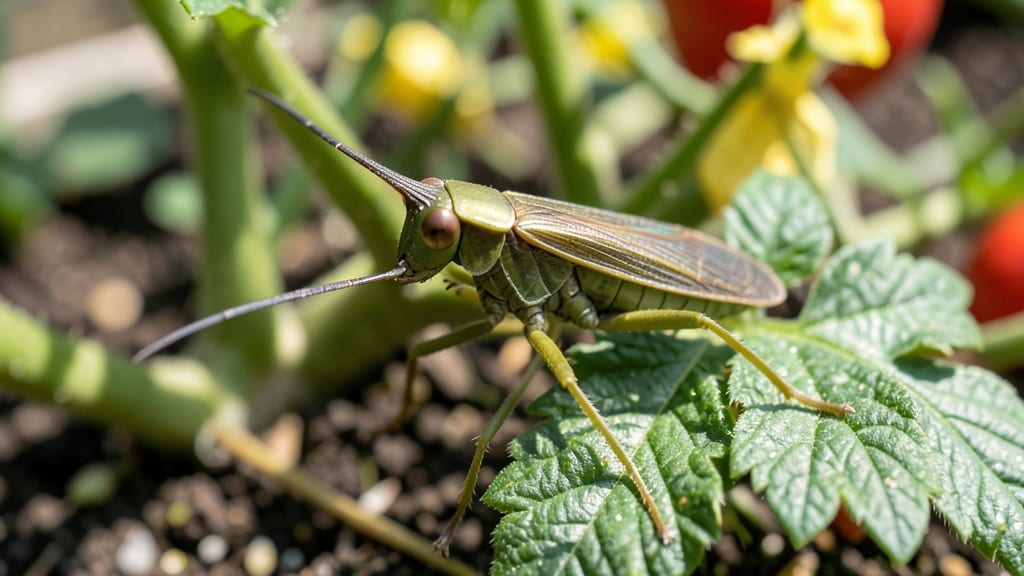
Nothing ruins a tomato harvest faster than how to keep bugs off my tomato plants—whether it’s hornworms stripping leaves or aphids turning foliage sticky. 🌱 My dual-defense spray—a mix of neem oil and insecticidal soap—stops pests dead in their tracks while keeping your plants healthy.
The best part? It works on aphids, whiteflies, and even those sneaky hornworms without harming bees or beneficial bugs.
Most gardeners reach for chemical sprays too late, when pests have already taken hold. I learned the hard way after losing half my plants to aphids last summer. Now, I spray preventively every 10-14 days and see results within 24 hours—no more skeletonized leaves or sticky residue.
The key is timing: apply when pests are small, before they multiply into an army.
You’ll end up with vibrant green leaves, fewer dropped blossoms, and tomatoes that stay pest-free from June through October. The spray is gentle enough for morning applications but strong enough to deter even the toughest invaders.
Plus, it doubles as a fungicide for early blight, so you’re killing two birds with one spray.
Works for backyard gardens, raised beds, or container tomatoes—just adjust the spray volume for your setup. Here’s the exact recipe and application schedule that’s saved my harvests for three seasons running.
Root Causes of Tomato Plant Pests
Tomato plants are like a buffet for bugs—juicy, nutrient-rich, and full of opportunities for pests to thrive. But why do these critters show up in the first place?
Understanding the why behind their visits is the first step to outsmarting them. Let’s break down the science and scenarios that turn your garden into a bug hotspot.
Tomatoes need space to breathe—literally. When plants are too close together, airflow is restricted, creating a damp, humid microclimate that pests love. Here’s why this happens:
- Poor Air Circulation 🌬️ Stagnant air traps moisture, which attracts fungal diseases (like early blight) that weaken plants. Weakened plants are easier targets for insects like aphids, whiteflies, and hornworms, which sense stress signals in plant sap.
- Competition for Nutrients 🌿 Overcrowded roots struggle to absorb water and nutrients, making tomatoes more susceptible to pests that feed on stressed foliage. For example, spider mites thrive on plants under drought stress, while slugs target soft, nutrient-deficient leaves.
- Soil Depletion 🌍 Too many plants in one spot quickly deplete soil nutrients, forcing tomatoes to rely on secondary compounds (like sugars in leaves) that attract sap-sucking insects. A quick soil test can reveal if your garden is nutrient-starved.
Actionable Fix: Space tomato plants 18–24 inches apart (or as recommended for your variety) and prune lower leaves to improve airflow. Mulch with straw or grass clippings to retain moisture without smothering roots.
Tomato plants produce volatile organic compounds (VOCs)—essentially chemical scents—that signal their presence to pests. Some bugs are hardwired to seek out these smells, especially when tomatoes are flowering or fruiting.
- Flowering Phase = Pest Magnet 🌸 When tomatoes bloom, they release benzyl acetone, a compound that attracts hornworms, beetles, and even wasps. The sweet nectar in flowers also draws aphids and whiteflies, which then move to the fruit as it ripens.
- Ripe Fruit Smells Like a Feast 🍅🍓 Ethylene gas, released as tomatoes ripen, signals maturity to fruit flies, stink bugs, and even raccoons. The sugars and acids in ripe tomatoes make them irresistible to chewing insects like colorado potato beetles and tomato fruitworms.
- Stress Signals Call for Backup 🚨 Damaged or diseased leaves emit green leaf volatiles (GLVs), which act like a dinner bell for pests. For example, Japanese beetles are drawn to plants under attack by other insects, creating a cascading infestation.
Actionable Fix:
- Prune spent flowers (succession pinching) to delay fruit set and reduce early pest attraction.
- Harvest overripe tomatoes immediately to prevent fruit flies from laying eggs.
- Use reflective mulch (like aluminum foil) to disrupt insect navigation systems that rely on plant reflections.
Bugs don’t just appear out of nowhere—they’re part of a larger food web. When their natural predators or competitors are missing, their populations explode.
- Lack of Predatory Insects 🦋🕷️ Gardens with few ladybugs, lacewings, or parasitic wasps see surges in aphids, mites, and caterpillars.
These predators keep pest populations in check, but they vanish when: - You use broad-spectrum pesticides (which kill both pests and their natural enemies). - The garden lacks diverse plantings (e.g., no dill, fennel, or marigolds to attract beneficial insects).
- Monoculture Planting 🌾 Large patches of tomatoes (or any single crop) create ideal breeding grounds for pests. For example, tomato hornworms can defoliate an entire plant in days if left unchecked, especially in uniform plantings where they’re not dispersed.
- Water Stress or Overwatering 💦 Drought-stressed tomatoes produce more sugars in leaves, attracting spider mites and whiteflies. Meanwhile, overwatered soil creates slug and snail havens by keeping the ground soft and moist.
Actionable Fix:
- Plant companion flowers like basil, marigolds, or nasturtiums to attract predatory insects.
- Avoid chemical pesticides—opt for neem oil or insecticidal soap (which are less harmful to beneficial bugs).
- Rotate crops annually to disrupt pest life cycles.
Pests don’t just show up—they’re often triggered by specific weather patterns that create perfect conditions for infestations.
- Hot, Dry Conditions ☀️🔥 Heat stress causes tomatoes to wilt and produce more nectar, attracting aphids and whiteflies. Dry soil also makes plants more vulnerable to root-feeding grubs (like Japanese beetle larvae).
- Humid or Rainy Seasons 🌧️ Excess moisture encourages fungal diseases (e.g., powdery mildew), which weaken plants and make them targets for chewing insects like cutworms. Slugs and snails also thrive in damp environments.
- Late-Summer Heat Waves 🌡️ Sudden temperature spikes can stun beneficial insects (like bees and predatory wasps), giving pests a temporary advantage. Meanwhile, fruit flies and stink bugs become more active in warm, stagnant air.
Actionable Fix:
- Water deeply but infrequently (early morning is best) to avoid fungal growth.
- Use row covers in early spring to protect seedlings from flea beetles and cabbage worms.
- Shade cloth can prevent heat stress in extreme climates.
Fixing Bug Problems Naturally
Now that you know what’s munching on your tomatoes, let’s tackle those pests with effective, eco-friendly solutions—no harsh chemicals required! Below, we’ve mapped out cause-specific fixes, from quick remedies to long-term prevention. Think of this as your tomato plant’s personal bug defense team.
Fix: These green bandits can devour a plant overnight. Act fast!
- 🔪 Handpick & Drown 🌿: Check leaves daily (especially in the morning). Drop hornworms into soapy water—no mercy!
- 🦋 Introduce Predators: Ladybugs, lacewings, and parasitic wasps (like Cotesia congregata) love hornworms. Buy or attract them!
- 🌿 Plant Near Basil: The strong scent repels hornworms. Plus, you get fresh pesto—double win!
💡 Prevention Tip: Rotate crops yearly to disrupt their lifecycle. Avoid planting tomatoes in the same spot annually.
Fix: These tiny green/black pests cluster on new growth, leaving sticky residue (and attracting ants!).
- 💦 Blast Them Off 🚿: Spray with a strong stream of water from a hose to knock them loose.
- 🍳 DIY Soap Spray 🧼: Mix 1 tsp mild liquid soap + 1 quart water in a spray bottle. Test on a leaf first!
- 🌿 Companion Plants: Marigolds, garlic, or chives deter aphids. Plant them around your tomatoes.
🔥 Pro Tip: Neem oil (1 tbsp per quart water) smothers aphids and prevents reinfestation. Spray every 5–7 days.
Fix: These white, moth-like bugs flutter when you disturb leaves. They weaken plants fast.
- 🕯️ Yellow Sticky Traps 🎯: Hang yellow cards coated in petroleum jelly near plants to trap adults.
- 🌿 Reflect Light ☀️: Whiteflies hate bright light. Place aluminum foil or white plastic around plants to disorient them.
- 🍳 Spinosad Spray 🍴: A natural bacterial pesticide (derived from soil bacteria). Follow label instructions!
✨ Prevention Tip: Inspect new plants before bringing them home—whiteflies hitchhike easily!
Fix: These speckled beetles chew tiny holes in leaves, causing a "shotgun" look.
- 🛡️ Row Covers 🧣: Use floating row covers (lightweight fabric) over young plants to block adults.
- 🌿 Trap Crops 🥬: Plant radishes or mustard greens nearby—the beetles prefer them over tomatoes!
- 🍳 Diatomaceous Earth (DE) 🏖️: Sprinkle food-grade DE around the base of plants. It’s non-toxic but deadly to beetles.
🌡️ Heat Trick: Flea beetles hate heat. Use black plastic mulch to warm soil—they’ll avoid it!
Fix: These slimy pests leave silver trails and ragged holes in fruit.
- 🍳 Beer Traps 🍺: Bury a shallow dish of beer near plants. Slugs crawl in and drown—no waste!
- 🛡️ Copper Barriers ⚡: Wrap copper tape around pots or garden beds. The mild electric shock repels them.
- 🌿 Crushed Eggshells 🥚: Sprinkle around plants as a physical barrier. They hate the texture!
💡 Prevention Tip: Water in the morning (not evening) so slugs stay hidden. Keep garden beds tidy—less hiding spots!
Fix: While bees pollinate, wasps sting plants and lay eggs in tomatoes.
- 🕯️ Wasp Traps 🕸️: Hang commercial traps (or DIY with sugar + vinegar + bottle). Keep them far from tomatoes.
- 🌿 Avoid Overripe Fruit 🍅: Pick tomatoes as they ripen—wasps love fermenting fruit.
- 🍳 Citrus Spray 🍊: Mix peel + water, strain, and spray around plants. The scent repels wasps.
🎯 Pro Tip: Plant mint or citronella nearby—wasps dread the smell!
To keep bugs off tomatoes for good, combine these 3 layers:
- Physical Barriers (row covers, netting)
- Natural Repellents (companion plants, neem oil)
- Predator Encouragement (ladybugs, birds, parasitic wasps)
✨ Bonus Hack: Interplant tomatoes with herbs (basil, thyme, oregano). The aromatic oils confuse pests naturally!
Remember: The key is consistency. Check plants daily for early signs, and act fast—bugs multiply quickly! With these tricks, your tomatoes will stay pest-free and thriving—ready for your next homemade sauce or salad! 🍅🔥
Frequently asked questions
How often should I apply the neem oil spray to keep bugs away?
Apply the neem oil mixture every 7-10 days during the growing season, especially after rain or if you notice new pest activity. For severe infestations, you can spray every 5 days for 2 weeks to break the pest life cycle. Always apply in the early morning or evening to avoid harming bees.
Will this spray work on both leaves and fruit?
Yes! The dual-defense spray is safe for both leaves and fruit when used correctly. Just avoid spraying directly on ripe tomatoes since the oil can leave a slight residue. For fruit protection, focus on the leaves and stems where pests first appear. The spray creates a protective barrier that deters bugs from reaching the fruit.
Can I use this on container-grown tomato plants?
Container tomatoes respond just as well to this spray. Simply adjust the spray volume to cover all surfaces thoroughly. For potted plants, focus extra attention on the undersides of leaves where many pests hide. The same 7-10 day schedule applies, but you may need to reapply more frequently if your containers dry out faster.
What if I see pests after using the spray?
Don't panic—this happens when pests are already established. Reapply the spray immediately and check for egg masses or larvae hiding on leaf undersides. For stubborn infestations, combine with handpicking (like removing hornworms) and companion planting (like basil or marigolds) to create a multi-layer defense.
Is this safe for other garden plants?
The neem oil and insecticidal soap combination is generally safe for most edible plants when used as directed. However, always test a small leaf first on sensitive plants like peppers or cucumbers. Avoid spraying flowering plants to protect beneficial pollinators. For non-edible plants, this spray won't cause harm either.