
How To
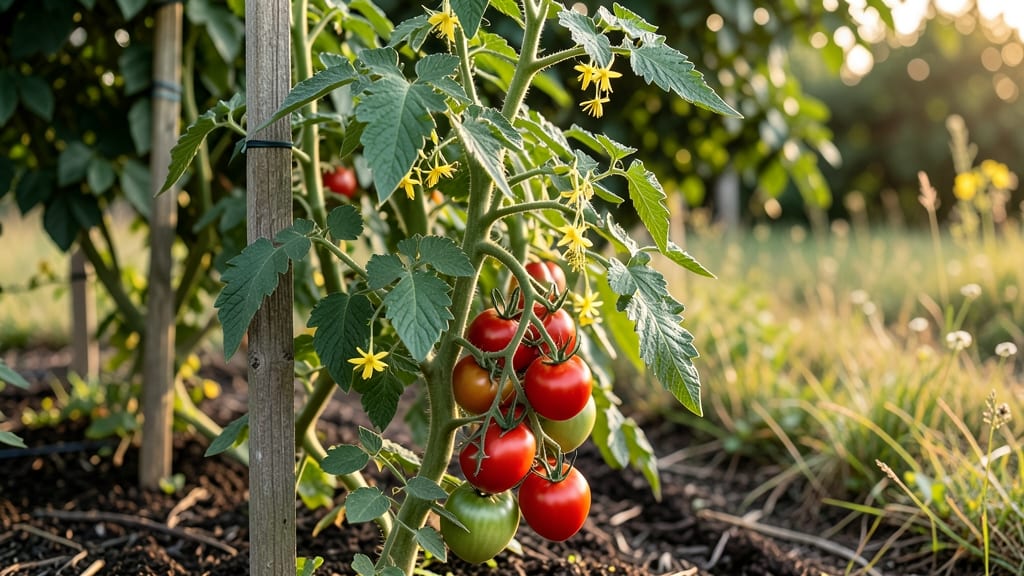
How tall tomato plants grow depends entirely on the variety you choose and how you train them, ranging from 1 foot to over 12 feet. Picture this: one plant sprawling like a jungle vine, while its neighbor stays neatly contained like a bush. The difference isn’t just about space—it affects your harvest, how much support you’ll need, and even how often you’ll prune. I’ve seen 3-foot cherry tomato bushes next to 10-foot indeterminate monsters, and the growing strategies couldn’t be more different.
If you’re planning your garden layout or debating between determinate (bush) and indeterminate (vining) types, knowing these height ranges is the first step.
Below, I’ll break down the two main growth habits, share how sunlight and pruning shape their size, and give you the tools to control their height—whether you want a compact plant or a towering trellis.
You’ll also discover how to spot common mistakes that stunt growth or send vines skyrocketing, plus the best varieties for small spaces or big yields. Let’s get your tomatoes growing the way you want them.

Tomato plant height ranges by variety: determinate vs indeterminate types
When planning your tomato garden, knowing whether you’re growing determinate (bush) or indeterminate (vining) varieties is crucial. These two types differ dramatically in height, growth habits, and even how you should care for them.
Determinate tomatoes typically reach 3-5 feet tall and produce fruit in clusters near the top, while indeterminate varieties can grow 6-10+ feet and continue producing fruit all season long. Let’s break down the key differences and popular varieties for each type.
Understanding these height ranges helps you decide where to plant tomatoes in your garden. Determinate varieties are perfect for containers or small spaces, while indeterminate types thrive on trellises or cages in larger gardens.
Both types require different pruning and support strategies, which we’ll explore next. For now, focus on matching your garden layout to the variety’s natural growth pattern.
Determinate tomatoes are the workhorses of small gardens. They stop growing once they flower, making them ideal for container gardening or tight spaces. Their compact size also means fewer staking needs, but you’ll sacrifice continuous harvests since they produce fruit in one big flush. Popular determinate varieties like Roma and Celebrity max out around 4 feet tall, while dwarf varieties like Tiny Tim stay under 2 feet.
Indeterminate tomatoes, on the other hand, are the vining giants of the garden. They grow continuously until frost, producing fruit all season long. This makes them ideal for vertical gardening or maximizing small spaces. However, their height—often 6-10 feet—requires sturdy trellises or cages. Varieties like Sungold or Brandywine can easily reach 8 feet tall if left unchecked, so pruning is essential to manage their size and improve airflow.
If you’re growing determinate tomatoes, focus on spacing them 2-3 feet apart to prevent overcrowding. Their limited height means you can fit more plants in a small area, but avoid planting them too close to other tall plants that might shade them.
For indeterminate varieties, plan for 3-4 feet of vertical space and use sturdy supports like wooden stakes or tomato cages to keep them off the ground. This reduces disease risk and makes harvesting easier.
One of the biggest mistakes gardeners make is underestimating how tall indeterminate tomatoes can grow. Without proper support, their weight can cause stems to snap, leading to lost fruit and stressed plants. I’ve seen Sungold cherry tomatoes reach 10 feet tall in a single season if left unpruned!
To control their height, prune aggressively by removing suckers (the small shoots that grow between the stem and branches) and the lower leaves to improve airflow. This also directs energy toward fruit production instead of excessive foliage.
For determinate varieties, pruning is less critical, but you can still remove diseased or yellowing leaves to keep the plant healthy. Since they produce fruit in one big cluster, focus on providing consistent water and nutrients to ensure a high-yield harvest all at once.
This makes them perfect for canning or preserving, as you can process a large batch in one go. Indeterminate varieties, meanwhile, offer a continuous harvest, which is great for fresh eating or selling at farmers’ markets.
Choosing the right variety for your space is key. If you’re working with limited room, determinate types or dwarf varieties are your best bet. For larger gardens or vertical spaces, indeterminate tomatoes will reward you with bigger yields and longer harvests.
Just remember: indeterminate plants need more attention to pruning and support,
Factors that affect tomato plant height: sunlight, pruning, and support
Sunlight exposure is the most critical factor in determining how tall your tomato plants will grow. Indeterminate varieties like 'Sungold' or 'Brandywine' can reach 6-10 feet with full sun exposure, while determinate types like 'Roma' typically max out at 3-4 feet.
The more sunlight your plants receive—ideally 6-8 hours daily—the faster they grow vertically and produce fruit. Without enough light, growth slows, stems weaken, and plants may sprawl instead of climbing.
Pruning plays a crucial role in controlling height and directing energy toward fruit production. For indeterminate tomatoes, I recommend pruning suckers—the shoots that grow in the leaf axils—regularly to limit height and improve airflow.
By removing these shoots, you encourage the plant to focus on fruit development rather than excessive foliage. For determinate varieties, minimal pruning is needed, but removing damaged or diseased leaves keeps the plant compact and healthy.
- 🌱 Sunlight Needs
- Full sun (6-8 hours/day) promotes vertical growth in indeterminate varieties, while partial shade can stunt height and reduce yield.
- ✂️ Pruning Tips
- Prune indeterminate tomatoes by removing suckers (side shoots) to control height and improve fruit quality.
- For determinate types, prune only to remove damaged leaves—no height control is needed.
- 🪴 Support Systems
- Use cages, stakes, or trellises to support indeterminate varieties, which can grow 10+ feet without support.
- For small gardens, choose dwarf varieties or prune aggressively to keep plants under 3 feet.
Support systems are non-negotiable for tall varieties like 'Cherokee Purple' or 'Black Krim,' which can easily exceed 8 feet without proper support. I use tomato cages for determinate types and sturdy bamboo stakes or trellises for indeterminate ones.
Without support, plants become top-heavy, leading to broken stems and lost fruit. Even in containers, tall varieties need vertical support to thrive.
Another often-overlooked factor is soil fertility. Over-fertilizing with nitrogen can lead to excessive foliage growth at the expense of height control. Instead, I use a balanced fertilizer (like 5-10-10) to encourage strong stems and compact growth.
For container gardening, choose smaller varieties like 'Tiny Tim' or 'Patio Princess,' which naturally stay under 2 feet tall, making them perfect for balconies or patios.
If you're growing in a small garden, consider pruning techniques like the "Florida Weave" for indeterminate varieties. This method involves weaving the main stem through a trellis to limit height while still allowing airflow.
For determinate tomatoes, focus on spacing—plant them 18-24 inches apart to prevent overcrowding, which can stunt growth and reduce yield.
Remember, height control isn’t just about aesthetics—it’s about maximizing your harvest. By combining the right sunlight exposure, pruning strategy, and support system, you can grow healthy, productive tomato plants that fit your space perfectly.
Start small, observe your plants’ growth patterns, and adjust as needed for the best results. Happy gardening! 🌿