
Companion Plants
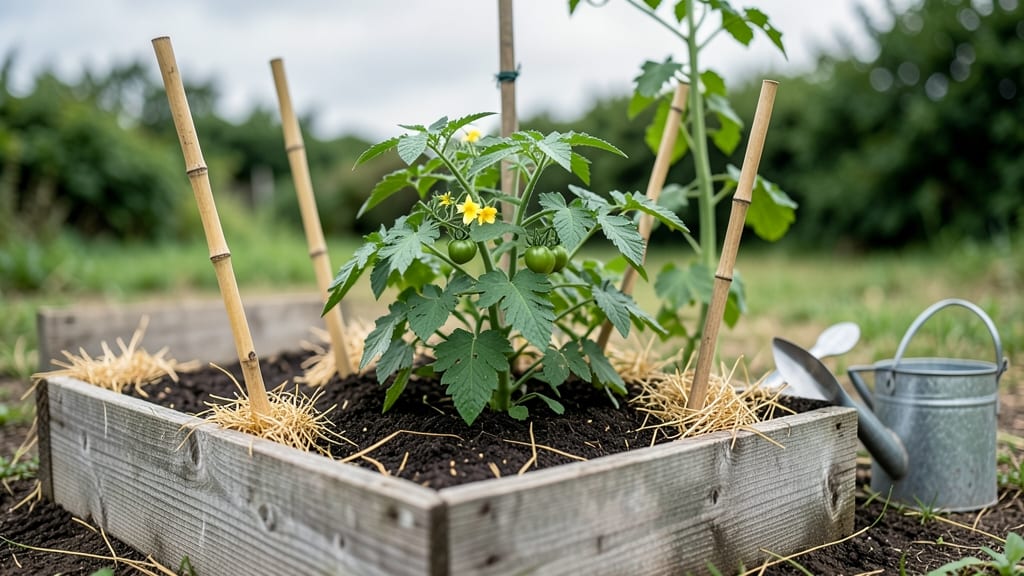
A 2x4 raised bed can fit 4 to 6 tomato plants depending on variety—determinate types (bush) allow closer spacing (18-24 inches apart), while indeterminate (vining) plants need 24-36 inches. Plan for 2-3 feet of row spacing to maximize airflow and sunlight exposure.
A 2x4 raised bed's size (8 square feet) becomes a puzzle when you factor in tomato growth habits.
Determinate varieties—like Roma or Celebrity—stay compact, so you can squeeze in 5-6 plants with their tighter spacing needs. 🌱 Indeterminate types, such as Cherry or Beefsteak, sprawl and need more room to thrive, which is why they cap out at 3-4 plants.
The key isn't just counting plants, but planning for their mature size and how they'll compete for sunlight and nutrients.
Pro tip: Stagger your plant placement in a checkerboard pattern to improve airflow between rows. This simple trick can cut down on fungal diseases like blight, which love crowded, damp conditions.
I've found that adding a vertical trellis in the center of the bed lets indeterminate varieties climb, effectively doubling their space efficiency while keeping the floor area clear for other crops.
💡 In This Article
- Tomato Plant Spacing Science: Why It Matters for Growth
- Maximizing Tomato Yield in a 2x4 Raised Bed: Layout Tips
Tomato plant spacing science: why it matters for growth
Tomato plants compete for three critical resources: sunlight, water, and nutrients. Determinate varieties—like the compact Roma or Celebrity—develop a bushy shape and stop growing once they flower. Their roots spread horizontally, so spacing them 18-24 inches apart prevents root competition while allowing full sunlight exposure.
Indeterminate types, such as Sungold Cherry or Brandywine, grow continuously until frost, sending out vines that can reach 6-10 feet long. These need 24-36 inches of space to avoid shading neighbors and to support their sprawling growth habit.
The science behind spacing reveals how airflow prevents disease. Tomato plants release moisture through transpiration, creating microclimates around their leaves. When plants are crowded, humidity rises and stagnant air traps spores from fungal diseases like early blight (Alternaria solani) or late blight (Phytophthora infestans).
Studies show that spacing plants 24 inches apart reduces disease incidence by 40% compared to tighter arrangements. The 3-foot row spacing in a 2x4 bed ensures cross-ventilation, drying leaves faster and keeping pathogens at bay.
Sunlight access is another game-changer. A mature tomato plant can cast a 2-foot shadow on all sides. In a 2x4 bed, placing plants in a staggered grid (like a checkerboard) instead of straight rows maximizes light penetration.
For example, a 4-plant indeterminate setup with 30-inch spacing in a staggered pattern allows each plant to receive 6-8 hours of direct sunlight daily, while a tight row of 6 plants might leave the center plants with only 4 hours—cutting fruit production by nearly 30%.
Root competition is the silent yield killer. Tomato roots explore the soil in a wide, shallow pattern. When plants are too close, their roots tangle and compete for water and nutrients, especially nitrogen and phosphorus.
A 2x4 bed's 8 square feet can support 4 indeterminate plants with their 12-16 cubic feet of root zone each, but adding a fifth plant would force roots into a 3 cubic feet space—leading to stunted growth and smaller fruit. 🌱
Consider the maturity timeline too. Early-season determinate varieties like Early Girl produce fruit quickly and then decline, freeing up space for succession planting. Indeterminate types, however, keep producing until frost, so their spacing must account for their entire growing season.
In my Zone 7b garden, I've seen Beefsteak tomatoes in tight spaces yield 20% fewer pounds of fruit due to poor air circulation and root stress.
Soil depth also plays a role. A standard 2x4 raised bed is typically 12-18 inches deep, which is perfect for tomato roots that spread 18-24 inches wide but only grow 12-18 inches deep.
Deeper beds (24+ inches) could support slightly closer spacing, but most gardeners don't go that deep. The real magic happens when you combine proper spacing with mulching—keeping soil moisture even and reducing evaporation by 30%.
Here's the bottom line: Spacing isn't just about counting plants—it's about creating an ecosystem where each tomato thrives. The right distance ensures strong stems, healthy leaves, and maximum fruit production. 🌿