
Planting
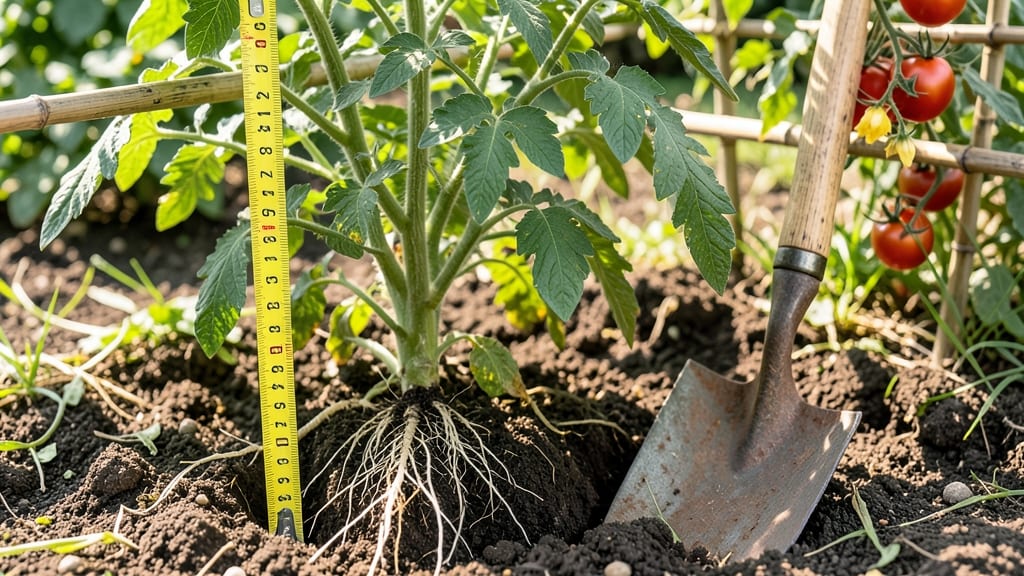
How deep tomato roots go is a key factor in their growth, with most reaching 12 to 18 inches 🍅, and planting them at the right level is the key to unlocking strong, healthy plants.
Wondering how deep tomato roots actually grow and whether you’re planting them too shallow—or too deep? Getting this right can mean the difference between a thriving vine and a struggling plant.
Most gardeners overthink the depth, but the rule of thumb is simple: bury the stem just enough so the top of the root ball sits 1 to 2 inches below soil. This encourages roots to spread outward while protecting the plant from wind and pests.
In this guide, I’ll break down the science behind tomato root growth, share step-by-step planting tips, and help you spot when your tomatoes are planted too deep—or too shallow—so you can fix it before it’s too late.
Tomato root depth explained: how far down do they grow?
Understanding tomato root depth is crucial for gardeners aiming to grow healthy, productive plants. While most gardeners focus on the above-ground growth, the root system determines how well your tomato plants access water and nutrients.
On average, tomato roots grow 12-18 inches deep, but their spread and growth patterns vary based on soil conditions and plant type.
Tomatoes develop two main root types: the primary taproot and lateral roots.
The taproot grows downward, while lateral roots spread horizontally, creating a network that stabilizes the plant and absorbs water. Indeterminate varieties (like 'Sungold') tend to have deeper root systems compared to determinate types (like 'Roma'), which focus more on lateral spread for bushier growth.
Soil type plays a massive role in root development. In loamy soil, roots penetrate easily, reaching deeper levels. However, clay soil can restrict root growth, while sandy soil drains too quickly, limiting depth.
Amending your soil with organic matter can encourage deeper root penetration, giving your tomatoes the best chance to thrive.
Here’s a quick breakdown of how deep tomato roots typically grow and what affects their development:
| Root Type | Depth Range | Lateral Spread | Soil Impact |
|---|---|---|---|
| Primary Taproot | 12–18 inches | Moderate (12–24 inches) | Deeper in loamy soil |
| Lateral Roots | 6–12 inches deep | 18–36 inches wide | Wider in sandy soil |
| Indeterminate Varieties | Up to 24 inches | Extensive spread | Needs deep, rich soil |
| Determinate Varieties | 12–16 inches | Compact spread | Adapts to shallower soil |
When planting tomatoes, aim to bury the stem slightly deeper than it was in the nursery pot. This encourages stronger root growth from the buried stem sections.
For indeterminate tomatoes, deeper planting (up to 2 inches) can support their taller growth, while determinate varieties benefit from slightly shallower planting to promote bushier habits.
Poor soil aeration or compaction can stunt root growth, leading to weaker plants. Always loosen the soil before planting and mix in compost or aged manure to improve structure.
Avoid planting in areas where previous tomatoes or nightshades (like peppers or eggplants) grew, as this can introduce soil-borne diseases that affect root health.
One common mistake is planting tomatoes too deep, which can cause stem rot or restrict airflow to the base. Conversely, planting too shallow leaves the stem exposed, making it vulnerable to sun scald and pests.
The ideal depth is having the top of the root ball just 1–2 inches below soil level, with the first set of leaves above the soil line.
Monitor your tomato plants’ root development by gently loosening the soil around the base after a few weeks. Healthy roots should be white or light tan, while dark or mushy roots indicate rot.
If you notice stunted growth or yellowing leaves, it could signal root-bound conditions or poor soil conditions, both of which require immediate attention.
For container-grown tomatoes, ensure your pots are at least 12–18 inches deep to accommodate root growth. Smaller containers restrict root development, leading to weaker plants and lower yields. Always use pots with drainage holes and fill them with a well-draining potting mix to prevent waterlogging, which can suffocate roots.
By understanding how deep tomato roots grow and adjusting your planting techniques accordingly, you’ll set your plants up for success. Pay attention to soil conditions, variety-specific needs, and proper planting depth to maximize your harvest potential this season.
Best planting depth for tomatoes: step-by-step guide to avoid common mistakes
Planting tomatoes at the right depth is one of the most overlooked steps that can make or break your harvest. Too shallow, and your plant will struggle to anchor itself; too deep, and you risk suffocating the stem.
The ideal planting depth for tomatoes is having the top of the root ball 1-2 inches below soil level, but this varies slightly depending on your growing setup.
For in-ground planting, dig a hole just wide enough to accommodate the root ball without crowding. The stem color is your best visual cue—look for where the stem transitions from green to brown.
This junction should sit just below the soil surface. If you’re unsure, err on the side of slightly deeper rather than too shallow, as roots will grow downward naturally.
⚠️ callout warning
Tomato roots typically grow 12-18 inches deep, but the critical zone for early establishment is the top 6 inches. Planting too deep buries the stem, which can lead to rot or weak stems. Conversely, shallow planting exposes roots to drying out and heat stress. Always check the stem color transition to avoid these mistakes.
When planting in containers, the rules change slightly. Use a pot at least 5 gallons in size for each plant, and ensure the root ball sits 1 inch below the rim of the container.
This prevents the roots from drying out too quickly and gives you room to add mulch or compost later. If your container has drainage holes, add a layer of gravel or perlite at the bottom to improve airflow.
After planting, water deeply to settle the soil around the roots and remove any air pockets. Gently press the soil down with your fingers to create a snug fit. Avoid compacting it too tightly, as this can restrict root growth.
Once watered, add a 2-inch layer of mulch around the base (but not touching the stem) to retain moisture and regulate soil temperature.
Watch for visual cues in the first few weeks to confirm your planting depth was correct. Healthy leaves should appear above the soil line, and the stem should remain firm and upright.
If you notice yellowing lower leaves or a wobbly stem, your plant may be too shallow. Conversely, if the stem looks buried or discolored near the soil, it’s likely planted too deep.
Remember, tomato roots are resilient, but they thrive when given the right start. Adjusting the planting depth slightly after the fact is possible—just mound soil around the base if needed.
With the right depth, your tomatoes will grow strong, produce abundant fruit, and reward you with a bountiful harvest all season long. 🌱