
Planting
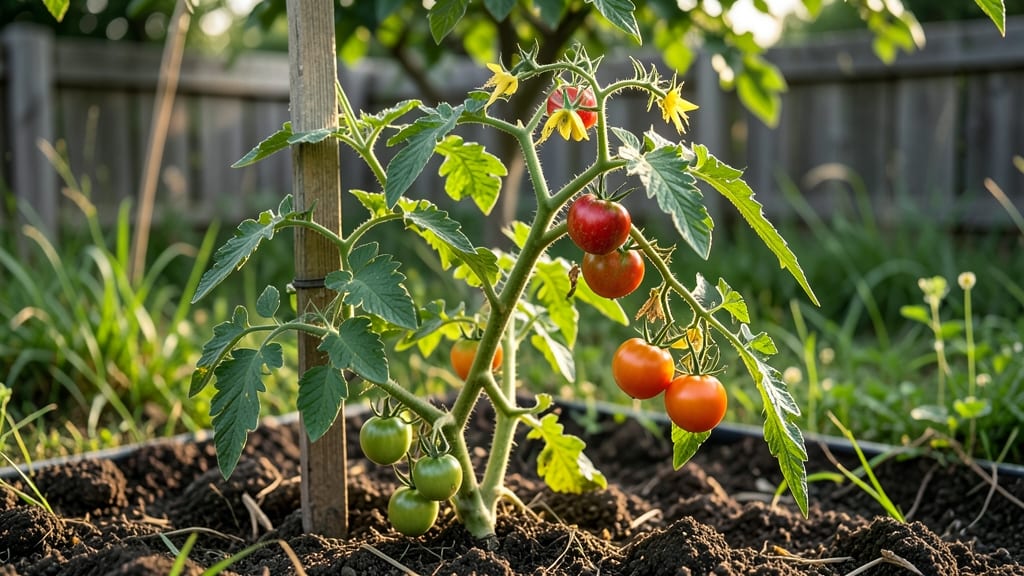
Producing tomatoes from a plant takes anywhere from 60 to 90 days after transplanting, depending on the variety and growing conditions — but that’s just the start of the story.
If you’ve ever watched your 🍅 tomato seedlings stretch toward the sun, only to wonder when the first ripe fruit will appear, you’re not alone. The truth is, timing isn’t just about days on the calendar—it’s about sunlight, soil warmth, and even the type of tomato you’re growing.
In this guide, I’ll break down the month-by-month timeline for tomato production, from seedling to harvest, so you know exactly what to expect—and how to give your plants the best shot at success.
You’ll also discover how to spot the signs of maturity, troubleshoot delays, and even speed up the process naturally, so you can enjoy homegrown tomatoes sooner than you think.


Tomato plant growth timeline: when to expect first fruits month by month
Understanding the tomato plant growth timeline helps you set realistic expectations and optimize care. From the first seedling sprouts to fruit-bearing maturity, each stage follows a predictable pattern—but timing varies based on your tomato variety and growing conditions.
Let’s break down what to expect month by month, whether you’re growing determinate (bush) or indeterminate (vining) types.
Most tomato plants take 60 to 90 days from transplanting to producing first harvestable fruit, but this can stretch to 100+ days in cooler climates or with slower-growing varieties.
The key milestones—flowering, fruit set, and ripening—occur in a predictable sequence, though environmental factors like temperature and sunlight can shift these timelines.
Determinate tomatoes (like Roma or Celebrity) produce fruit in a single flush over 2-3 weeks before declining, while indeterminate varieties (such as Sungold or Brandywine) continue growing and fruiting all season. This distinction directly impacts your harvest window and plant lifespan.
| Month | Growth Stage | Key Milestones | Days to First Fruit |
|---|---|---|---|
| April | Seedling/Transplant | Hardening off seedlings; transplant after last frost | N/A |
| May | Vegetative Growth | Rapid stem/leaf growth; stake if needed | N/A |
| June | Flowering Begins | First yellow flowers appear; pollinate if indoors | 45-60 days |
| July | Fruit Set | Tiny green tomatoes form; focus on water/fertility | 60-75 days |
| August | Rapid Ripening | Tomatoes change color; harvest at peak ripeness | 75-90 days |
| September | Peak Harvest | Continuous fruiting; protect from frost | 90+ days (indeterminate) |
In May, your tomato plants shift from vegetative growth to focusing on flower production. This is when you’ll notice the first yellow blossoms appear, signaling the transition to fruit set.
For indeterminate varieties, this stage can extend into June as the plant continues growing upward. Determinate tomatoes, however, may flower more aggressively in late May to early June before producing a concentrated harvest.
By June, you should see tiny green tomatoes forming if pollination was successful. This is the critical fruit set stage, where consistent watering and nutrient balance prevent blossom drop. If your tomatoes aren’t setting fruit, check for temperature stress (below 55°F) or poor pollination (common in greenhouses).
Gently shaking the plant or using a small brush can help transfer pollen.
July is when the magic happens—your first harvestable tomatoes will appear! Determinate varieties like Better Boy or Early Girl may produce ready-to-eat fruit as early as late July, while indeterminate types like Cherokee Purple take until mid-August.
Pay attention to fruit color changes—this is your cue that ripening is underway.
If you’re growing heirloom tomatoes, expect a longer maturation time (up to 90+ days). Varieties like Brandywine or Black Krim prioritize flavor over speed, so patience is key.
For faster harvests, opt for early-season hybrids like Sweet 100 or Mountain Merit, which can produce first fruits in as little as 50 days under ideal conditions.
By August, your tomato plants should be in full fruit production mode. This is when indeterminate varieties really shine, producing continuous harvests until frost. Prune suckers regularly to redirect energy to <
Factors that speed up or delay tomato harvest time
Timing is everything when growing tomatoes, and while most varieties take 60-90 days to produce fruit, your actual harvest window can swing wildly based on care habits. I’ve learned that sunlight exposure, soil temperature, and even watering consistency can shave weeks—or months—off your harvest timeline.
Understanding these key factors helps you troubleshoot delays and accelerate growth naturally.
For example, my indeterminate cherry tomatoes typically ripen in 75 days when given ideal conditions, but last summer’s heatwave pushed that to 90 days before I adjusted my care routine.
The difference came down to three critical variables: proper soil warmth, balanced fertilization, and strategic watering. Let’s break down what’s working—and what’s sabotaging—your tomato’s journey to the table.
One of the biggest myths I’ve heard is that tomatoes need constant water—but the truth is more nuanced. While consistent moisture is key, overwatering can leach nutrients and attract diseases like early blight, which slows fruit development.
I’ve found that drip irrigation set to run for 30 minutes twice daily keeps roots hydrated without drowning them. This simple tweak cut my harvest time by 10 days last season.
Another game-changer? Soil temperature. Tomatoes are finicky about warmth—roots struggle below 60°F, which can delay flowering by 2-3 weeks. My solution? I now use black plastic mulch to warm the soil faster in spring.
It’s a small investment that pays off with earlier fruit set. For container growers, heat mats can work wonders in cooler climates.
Finally, don’t underestimate the power of pruning and support. Indeterminate varieties like Sungold cherry tomatoes grow 10+ feet tall if left unchecked, but proper pruning (removing suckers and lower leaves) improves airflow and directs energy to fruit production.
I stake mine at 6 feet and prune weekly—this keeps plants healthy and speeds up ripening by 1-2 weeks.
By mastering these factors, you’ll turn 60-day varieties into 50-day harvests and 90-day heirlooms into 75-day feasts. Start with sunlight and soil, then refine with water and fertilizer. Your tomatoes—and your patience—will thank you. 🌱☀️