
Planting
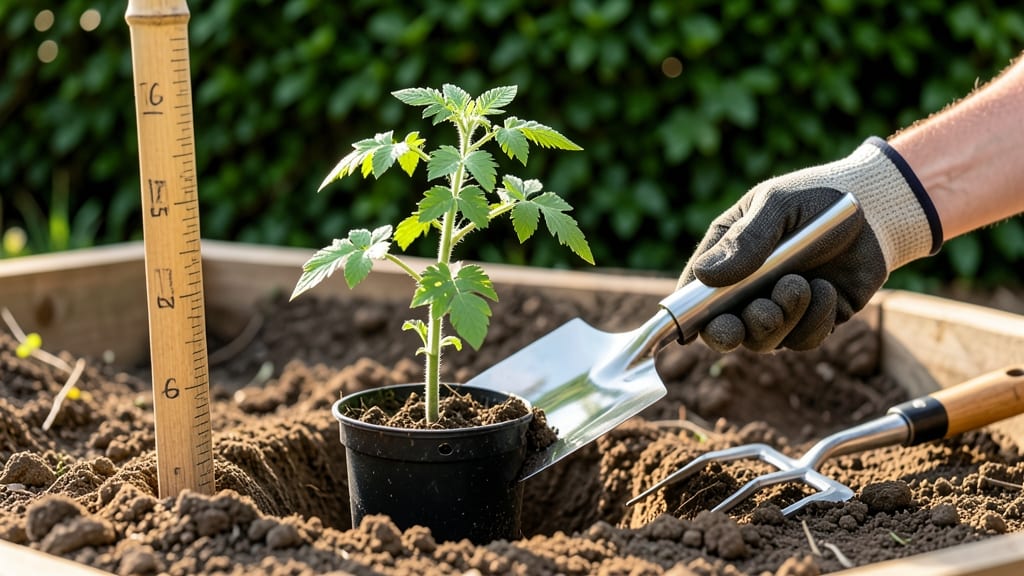
Mastering how deep to plant tomato seedlings—between 1/4 and 1/2 inch below soil—is the secret to strong roots and a bumper harvest 🍅.
Too shallow, and your seedlings flop over like a drunk sailor; too deep, and you smother the stem, inviting rot and stunted growth. I’ve buried (and unburied) enough seedlings to know the difference between a guess and a science-backed method.
This guide breaks down the exact depth for bare-root, container-grown, and root-bound seedlings, plus how soil type and climate tweak the numbers. No more guessing—just measurable success.
You’ll also learn how to tell if you’ve planted too deep (yellowing leaves) or too shallow (leggy stems) and how to fix it before it’s too late.


The ideal tomato seedling planting depth by root type (with exact inch measurements)
Getting the planting depth right for your tomato seedlings is the difference between sturdy plants and weak, top-heavy failures. Too shallow, and roots struggle to anchor; too deep, and stems rot. The ideal depth depends on your seedling's root type—bare-root, container-grown, or root-bound—and your local soil conditions.
Let’s break it down by inch measurements and what your soil and climate need to know.
Most gardeners default to a 1- to 2-inch depth, but this isn’t one-size-fits-all. Bare-root seedlings (those with no soil clinging to roots) need a different approach than container-grown seedlings, which come with a root ball.
Even root-bound seedlings—where roots circle the pot—require adjustments. Below, we’ll cover the exact depths for each type, plus how to tweak for clay-heavy soil or sandy loam.
Here’s the science-backed rule: Plant your seedling so the stem is buried 1-3 inches below the soil line, but never bury the first true leaves. This creates a stronger stem (as new roots form along the buried stem) while preventing leaf rot.
For determinate varieties (bush tomatoes), aim for the lower end of this range (1-1.5 inches). For indeterminate varieties (vining tomatoes), you can go slightly deeper (2-3 inches) to encourage a deeper root system.
🌱
| Seedling Type | Planting Depth (Inches) | Key Adjustments | Why It Matters |
|---|---|---|---|
| Bare-Root Seedlings | 1.5–2 inches | Loosen soil around roots; add compost to hole. | Encourages root spread without overcrowding. |
| Container-Grown (Root Ball) | 1–1.5 inches (below root ball) | Gently tease roots if pot-bound; avoid disturbing root ball. | Prevents transplant shock while allowing root expansion. |
| Root-Bound (Circling Roots) | 2–3 inches (deeper for vining types) | Score pot sides to loosen roots; trim circling roots. | Promotes downward root growth to stabilize plant. |
| Clay Soil (Heavy) | 1 inch (shallower) | Amend with compost; avoid compacting soil. | Prevents root suffocation in dense soil. |
| Sandy Soil (Loose) | 2–2.5 inches (deeper) | Add organic matter to retain moisture. | Helps roots anchor in fast-draining soil. |
Your local climate also plays a role. In hot, dry regions, planting 1-1.5 inches deep helps conserve moisture by reducing the plant’s exposed stem. In cool, wet climates, you can go slightly deeper (up to 2.5 inches) to protect against blight and rot.
The key is to balance depth with airflow: buried stems should never feel soggy or smell musty.
Pro tip: If you’re unsure about the depth, use a toothpick or pencil to mark the soil line before planting. This helps you track how deep you’ve gone and ensures consistency across multiple seedlings.
After planting, water thoroughly to settle the soil and eliminate air pockets around the roots. This step is critical for root-to-soil contact, which kickstarts growth.
One common mistake is burying the first true leaves, which can lead to leaf rot or disease. Always leave the cotyledons (seed leaves) and the first set of true leaves above soil level.
These leaves are the plant’s energy factories and need sunlight to photosynthesize. If you accidentally bury them, gently expose them after planting—don’t wait for the plant to struggle.
For container-grown seedlings, the goal is to minimize root disturbance while encouraging outward growth. If the seedling is pot-bound (roots circling the pot), score the sides of the pot with a knife to loosen roots before planting.
This reduces transplant shock and helps roots spread into the garden soil. If you’re planting in poor-quality soil, mix in compost or aged manure to give your seedlings a nutrient boost as they establish.
🪴
Finally, remember that depth isn’t the only factor—soil temperature and moisture matter too. Tomato roots thrive in soil that’s 60–70°F. If your soil is too cold, roots grow slowly, and the seedling may wilt despite proper depth. To warm the soil faster, use black plastic mul
Common mistakes that kill tomato seedlings (and how to fix them)
Even experienced gardeners accidentally bury tomato seedlings too shallow or too deep, triggering a cascade of problems—from weak stems to fungal rot. The most critical mistake? Ignoring the seedling's root structure before planting.
A root-bound seedling packed into the ground will struggle to expand, while one planted too shallow won’t develop the anchorage it needs for heavy fruit loads.
Another silent killer is soil compaction during transplanting. When you press seedlings into dense soil, you suffocate roots and block oxygen flow. Even worse, compacted soil traps excess moisture, creating the perfect conditions for damping-off disease.
The fix? Loosen the soil with a fork before planting and avoid heavy foot traffic around seedlings.
🚨 ⚠️ callout warning ⚠️
⚠️ Planting Depth Decoded: The Exact Rules
For bare-root seedlings, bury up to the first true leaves (about 1/4 to 1/2 inch deep).
If the seedling is root-bound in a pot, plant it deeper than the original soil line—up to 1-2 inches below the pot's rim—to encourage downward root growth. Never bury leaves; they’ll rot and attract pests.
🌱 Pro Tip: Gently loosen roots before planting to reduce transplant shock.
Watch for these visual stress signals after planting: yellowing lower leaves often mean the seedling is too deep, while wilting despite watering suggests roots aren’t anchored properly. Another red flag? A soft, mushy stem at the soil line, which signals overwatering or poor drainage—both linked to incorrect planting depth.
To fix over-planted seedlings, gently lift the seedling and replant it shallower, firming the soil lightly around the roots. For under-planted seedlings, add soil in layers, tamping gently to avoid air pockets. Always water thoroughly after adjusting depth to help roots settle into their new position.
One often-overlooked fix is mulching. A 2-inch layer of straw or shredded leaves keeps soil moisture stable and prevents temperature swings that stress shallow roots. Just avoid piling mulch against the stem—leave a 1-inch gap to prevent rot.
Remember: The goal is balanced depth. Seedlings planted correctly will show firm stems, dark green leaves, and vigorous new growth within 7-10 days. If yours aren’t thriving, revisit your planting depth—it’s never too late to adjust! 🌱