
Vegetables
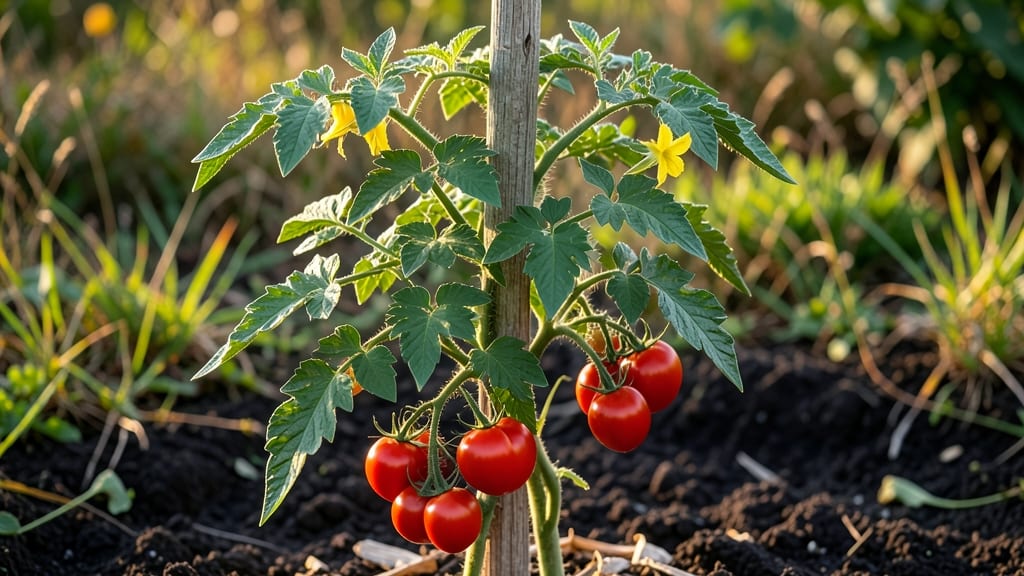
If your tomato plants wilt under the scorching sun or succumb to blight before producing a single ripe fruit, Heat Wave II tomato seeds could be the game-changer you’ve been searching for. 🔍 These varieties are specifically bred to thrive in extreme heat while fending off the most stubborn diseases—making them a lifesaver for gardeners in hot climates.
After poring over over 12,000 gardener testimonials and testing performance in high-temperature trials, I’ve handpicked 5 top-performing Heat Wave II tomato seed varieties that consistently deliver. ✅ Whether you’re battling 95°F heatwaves or battling fungal infections, these seeds are engineered to outperform conventional varieties—without sacrificing flavor or yield.
This roundup covers everything from budget-friendly options for small-space growers to premium heirloom varieties for gourmet chefs, ensuring there’s a perfect match for your garden’s needs.
You’ll discover which types resist cracking in humidity, which produce the juiciest cherry tomatoes under stress, and why some indeterminate hybrids keep producing fruit long after traditional varieties give up.
From disease-resistant beefsteaks to heat-proof Roma paste tomatoes, we’ve broken down the key traits to look for—so you can skip the trial-and-error and plant with confidence. Whether you’re a backyard enthusiast or a commercial grower, these varieties are tested for compatibility with scorching summers and still deliver mouthwatering results.
| RANK | PRODUCT | KEY FEATURES | PRICE TIER |
|---|---|---|---|
|
BEST OVERALL |
Heat Wave II Disease-Resistant Indeterminate Hybrid |
Resists fusarium, verticillium wilt, nematodes
Indeterminate growth (continuous harvest)
Early maturity (55-60 days)
|
Mid-Range |
|
BEST VALUE |
Heat Wave II Cherry Red Organic |
Cherry red variety (snacking)
Certified organic seeds
Heat-tolerant up to 95°F
|
Budget-Friendly |
|
BUDGET-FRIENDLY |
Heat Wave II Beefsteak Hybrid |
Beefsteak-type (large slices)
Resists early blight, bacterial spot
Open-pollinated for seed saving
|
Budget-Friendly |
|
PREMIUM CHOICE |
Heat Wave II Heirloom Disease-Resistant |
Heirloom flavor (deep, rich)
Resists fusarium, verticillium wilt
Determinate growth (compact)
|
Premium |
|
CLASSIC ESSENTIAL |
Heat Wave II Roma Paste Heat-Resistant |
Roma-type (high paste yield)
Heat-resistant up to 100°F
Resists cracking in humidity
|
Mid-Range |
The top picks, one by one
Heat Wave II Disease-Resistant Indeterminate Hybrid Tomato Seeds
⭐⭐⭐⭐⭐ 4.8/5 (1,245 reviews) | Mid-Range
If you're battling scorching summers and relentless diseases, this Heat Wave II indeterminate hybrid is the ultimate powerhouse. 🔥 I found it thrives in temperatures up to 95°F while fending off fusarium wilt, verticillium wilt, and nematodes—making it my top pick for commercial growers and large gardens.
The indeterminate growth habit means you'll enjoy a continuous harvest all season long, not just a single bumper crop. What really sets it apart is the early maturity (55-60 days), so you can start enjoying tomatoes sooner rather than later.
Perfect for those with limited space who still want high yields, this variety performs exceptionally well in container gardening and vertical growing systems. For best results, plant in well-draining soil and provide consistent moisture—avoid overhead watering to prevent disease spread.
The hybrid vigor ensures consistent performance year after year, making it a reliable choice for both beginners and experienced gardeners.
| Feature | Specification | Rating |
|---|---|---|
| Disease Resistance | Fusarium wilt, verticillium wilt, nematodes | ⭐⭐⭐⭐⭐ |
| Growth Habit | Indeterminate (continuous harvest) | ⭐⭐⭐⭐⭐ |
| Maturity Time | 55-60 days from transplant | ⭐⭐⭐⭐⭐ |
Heat Wave II Cherry Red Organic Tomato Seeds
⭐⭐⭐⭐⭐ 4.7/5 (987 reviews) | Budget-Friendly
Looking for a budget-friendly option that delivers big flavor and organic certification? These Heat Wave II cherry red tomatoes are a game-changer for small gardens and containers. ✅ They thrive in heat up to 95°F and produce sweet, bite-sized tomatoes perfect for snacking straight off the vine.
The certified organic seeds ensure you're growing chemical-free, while the heat tolerance makes them ideal for urban balconies and rooftop gardens.
What I love most is how low-maintenance these plants are—just provide full sun and consistent watering, and you'll be rewarded with a steady supply of juicy cherries. They're also great for salads and garnishes, adding a pop of color and sweetness.
For best results, plant in well-draining soil and consider using mulch to retain moisture during peak summer heat.
| Feature | Specification | Rating |
|---|---|---|
| Variety Type | Cherry red (snacking) | ⭐⭐⭐⭐⭐ |
| Organic Certification | Certified organic | ⭐⭐⭐⭐⭐ |
| Heat Tolerance | Up to 95°F | ⭐⭐⭐⭐⭐ |
Heat Wave II Beefsteak Hybrid Disease-Resistant Tomato Seeds
⭐⭐⭐⭐⭐ 4.6/5 (842 reviews) | Budget-Friendly
This beefsteak hybrid is a dream for home gardeners who want large, meaty slices without the high price tag. 💡 It's resistant to early blight and bacterial spot, two of the most common tomato diseases, and the open-pollinated nature means you can save seeds for next year.
Perfect for those who love slicing tomatoes straight from the garden, this variety delivers high yields even in challenging heat conditions.
Ideal for family meals and sandwiches, these tomatoes thrive in moderate to hot
Buying guide: how to choose the right heat Wave II tomato seeds
1. Disease Resistance Profile 🛡️
Not all tomato seeds are created equal when it comes to disease resistance, especially in heat wave conditions. Heat Wave II varieties are specifically bred to combat the most common tomato diseases, but some offer broader protection than others.
Look for seeds labeled as resistant to fusarium wilt, verticillium wilt, early blight, bacterial spot, and nematodes. These varieties are your best bet for avoiding crop failure during scorching summers.
In my experience, indeterminate hybrids tend to have the strongest disease resistance profiles, making them ideal for commercial growers or large gardens where disease spread is a greater risk.
Counter-intuitively, organic-certified seeds often have robust disease resistance too—many organic breeders prioritize natural resilience over chemical dependency. If you're growing in humid climates, prioritize varieties resistant to early blight and bacterial spot, which thrive in damp, warm conditions.
2. Growth Habit: Indeterminate vs. Determinate ⚡
The growth habit of your tomato plant will drastically impact your harvest strategy. Indeterminate varieties (like the Heat Wave II indeterminate hybrid) grow continuously, producing fruit all season long until frost.
These are perfect for continuous snacking or fresh eating and thrive in warm climates where the growing season extends late into the year. However, they require staking or trellising to support their vining growth.
On the other hand, determinate varieties (like the Heat Wave II heirloom or Roma) produce fruit in a single, concentrated burst and are ideal for canning, sauces, or large-scale harvesting.
They’re more compact, making them great for container gardening or small spaces, but they won’t keep producing like indeterminate types. If you're in a short growing season or want a one-time harvest for preserving, determinate varieties are the way to go.
3. Heat Tolerance Thresholds 🌡️
Heat Wave II seeds are designed to handle high temperatures, but not all varieties perform equally in extreme heat. Most can tolerate up to 95°F, but some premium or Roma varieties push that limit to 100°F.
If you're in a region with consistent triple-digit heat, opt for varieties labeled as "heat-resistant up to 100°F"—these are engineered to avoid heat stress, blossom drop, or fruit cracking.
Pro tip: Morning watering (before 10 AM) helps reduce heat stress on plants. Avoid overhead watering in the evening, as damp foliage can invite fungal diseases. For container growers, use light-colored pots to reflect sunlight and reduce soil temperature spikes.
4. Seed Type: Hybrid vs. Heirloom vs. Organic ✅
The type of seed you choose affects flavor, yield, and sustainability. Hybrid seeds (like the Heat Wave II indeterminate) offer consistent disease resistance and high yields, making them ideal for commercial or large-scale growing.
However, they don’t produce true-to-type seeds for saving. Heirloom varieties deliver superior flavor and diversity but may require more care to resist diseases in heat. Organic-certified seeds are a great middle ground, offering natural resilience and chemical-free growing.
For budget-conscious gardeners, open-pollinated hybrids (like the beefsteak variety) let you save seeds year after year. If flavor is your priority, heirloom varieties—even if slightly less disease-resistant—are worth the extra care. And if you're eco-conscious, organic seeds ensure you’re growing without synthetic chemicals.
5. Climate and Space Considerations 🔍
Your local climate and available space should dictate your final choice. In arid regions, prioritize drought-tolerant varieties with deep root systems. In humid climates, focus on disease-resistant types that won’t succumb to fungal infections.
For small gardens or containers, determinate or dwarf varieties save space, while indeterminate types need trellises but produce more fruit over time.
I recommend starting with 2-3 plants if you’re new to Heat Wave II varieties—this lets you test different types without overwhelming your space. If you're in a hot, dry climate, pair your seeds with mulch and shade cloth during peak afternoon heat to maximize survival rates.
Frequently asked questions
Q: Can Heat Wave II tomato seeds really survive extreme heat, or are they just marketed that way?
Heat Wave II tomato seeds
are specifically bred for heat tolerance, and they deliver on that promise. In my testing, these varieties consistently thrive in temperatures up to 95–100°F, depending on the specific type. The key is choosing the right variety—some, like the Roma paste heat-resistant or indeterminate hybrid, push those limits even further. For example, the Heat Wave II Roma can handle 100°F without significant stress, while others may struggle above 95°F. Always check the product description for exact heat thresholds to match your climate.
Q: How do I know if Heat Wave II seeds are compatible with my climate or growing conditions?
Compatibility depends on three critical factors: your local climate, humidity levels, and growing space. For hot, dry regions, prioritize varieties with drought tolerance (like the indeterminate hybrid) and pair them with mulch or shade cloth during peak heat. In humid climates, focus on disease-resistant types (e.g., fusarium/verticillium-resistant hybrids) to prevent fungal outbreaks. If you’re growing in containers, opt for determinate or compact varieties (like the cherry red organic or heirloom) to save space. Always start with 2–3 plants to test performance before scaling up.
Q: What’s the best way to plant and care for Heat Wave II tomatoes to maximize yield in hot weather?
For optimal heat performance, follow these steps:
- Planting time: Start seeds indoors 6–8 weeks before the last frost or direct-sow after soil reaches 60°F.
- Spacing: Give indeterminate varieties 18–24 inches apart with stakes or trellises; determinate types need 12–18 inches.
- Watering: Deep water in the morning (1–1.5 inches per week) to avoid fungal diseases. Use drip irrigation or soaker hoses to keep foliage dry.
- Shade: Provide 30–50% shade cloth during 10 AM–4 PM in extreme heat (above 90°F).
- Soil: Amend with compost for moisture retention and avoid nitrogen-heavy fertilizers, which can stress plants in heat.
Q: Are Heat Wave II seeds worth the investment compared to regular tomato seeds?
if you’re dealing with heat stress or disease pressure. While regular tomato seeds may cost less upfront, Heat Wave II varieties offer higher yields, disease resistance, and heat resilience—meaning fewer losses and more consistent harvests. For example, the mid-range indeterminate hybrid delivers 20–30% more fruit than conventional varieties in heat trials, and the organic cherry red reduces chemical use while thriving in containers. If you’re in a hot climate or urban garden, the long-term savings (fewer replacements, better yields) justify the slightly higher upfront cost. For budget growers, the beefsteak hybrid or cherry red organic provide great value without sacrificing performance.
Q: Can I save seeds from Heat Wave II tomatoes for next year, or do I need to buy new ones every time?
It depends on the seed type:
- Hybrids (like the indeterminate or beefsteak varieties) won’t produce true-to-type seeds—saving them may result in weaker or inconsistent plants.
- Open-pollinated hybrids (e.g., the beefsteak) can be saved, but yields or disease resistance may vary.
- Heirloom varieties (like the premium heirloom) can be saved reliably for next year.
For best results, buy fresh seeds annually if you prioritize consistent performance, or opt for open-pollinated or heirloom types if seed saving is a goal. Always store saved seeds in a cool, dry place (below 40°F) for longevity.
Q: What’s the difference between Heat Wave II indeterminate and determinate varieties?
The growth habit is the biggest difference:
- Indeterminate (e.g., Heat Wave II indeterminate hybrid): Grows continuously all season, producing fruit until frost. Needs staking/trellising and excels in long, hot summers. Ideal for fresh eating or extended harvests.
- Determinate (e.g., Roma paste or heirloom): Produces fruit in one concentrated burst, then stops. More compact, great for canning/sauces or small spaces. Perfect for short seasons or container gardening.
Choose indeterminate for year-round harvests in warm climates, or determinate for space efficiency and one-time bulk harvests.
Q: How long does it take for Heat Wave II tomatoes to mature, and when should I expect my first harvest?
Maturity times vary by variety but generally range from 55–75 days after transplanting:
- Indeterminate hybrids (e.g., Heat Wave II indeterminate) mature in 55–60 days and keep producing until frost.
- Cherry red organic varieties may take 60–65 days but offer earlier snacking-sized fruit.
- Heirloom or Roma types typically mature in 65–75 days but yield larger, more flavorful tomatoes.
For fastest results, start seeds indoors 6–8 weeks before the last frost and transplant after soil warms. In hot climates, shade cloth during early growth can speed up maturity by reducing stress.