
Planting
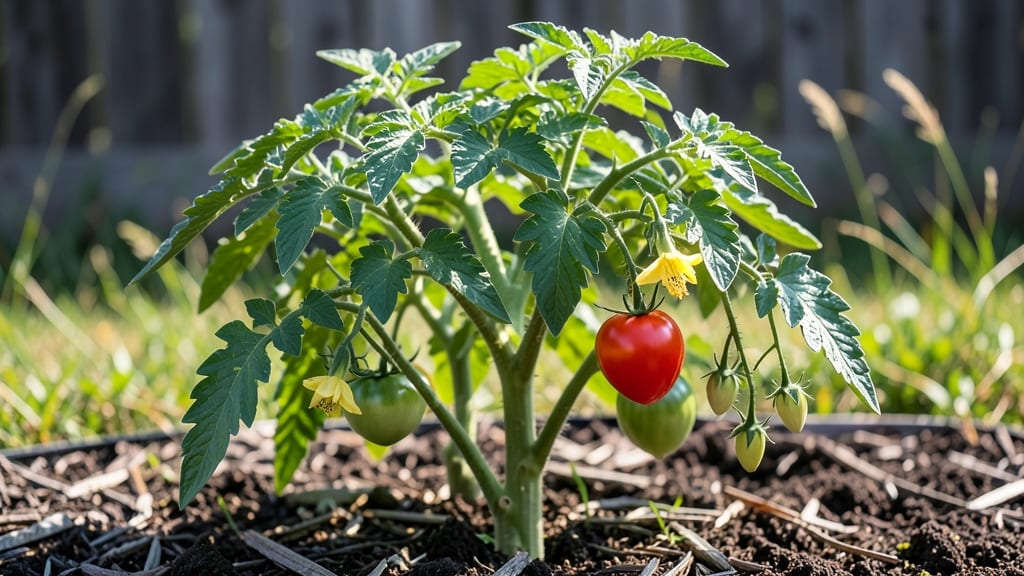
Your first healthy tomato plant starts with a single, stubborn seedling that refuses to wilt—even when you forget to water it. 🌱 I’ve grown tomatoes for over a decade, and the difference between a thriving vine and a sad, leggy plant comes down to three non-negotiable basics: soil that drains like a dream, sunlight that kisses the leaves all day, and watering that mimics spring showers.
Skip any of these, and you’ll end up with blossom-end rot or powdery mildew by July. The right setup isn’t complicated—just well-draining soil mixed with compost, a sturdy cage or trellis, and a drip irrigation line (or a watering can if you’re old-school).
Most gardeners overthink fertilization, but tomatoes actually hate too much nitrogen—balanced 10-10-10 feed every 2-3 weeks does the trick. And prune those suckers early to keep air circulating, or you’ll lose the battle to fungal diseases before the first fruit even swells.
By mid-summer, your plant will be bursting with glossy green leaves and heavy with fruit, while your neighbor’s tomatoes turn into sad, cracked messes. The secret? Consistency—no skipped waterings, no sudden fertilizer binges, and definitely no letting them sprawl like weeds.
Even my black thumb can’t kill these when I follow the rules. This works for container tomatoes, raised beds, or in-ground plots—just adjust the support system. The payoff? Juicy, vine-ripened tomatoes that put store-bought to shame. Let’s get those plants thriving.
📚 In This Guide
- What you need
- Instructions
- Tips and common mistakes
- Wrapping up and next steps
What you need
- ● Tomato seeds or seedlings: Choose disease-resistant varieties (e.g., Roma, Cherry, or Beefsteak) from a trusted nursery or seed packet.
- ● High-quality potting mix or garden soil: Opt for a well-draining mix amended with compost (at least 20% organic matter). For containers, use a sterilized mix to prevent disease.
- ● Containers or garden space: For containers: 5-gallon pots or larger (tomatoes need room—at least 12 inches deep and 18 inches wide per plant).
- ● For garden beds: Full sun (6–8+ hours/day) and space 2–3 feet apart for determinate varieties or 3–4 feet apart for indeterminate.
- ● Fertilizer: A balanced 10-10-10 or organic option like fish emulsion or compost tea to kickstart growth.
- ● Mulch: Straw, grass clippings, or shredded leaves to retain moisture and suppress weeds.
- ● Gloves and knee pads: For comfort and protection while planting.
- ● Trowel or small shovel: For digging holes and transplanting seedlings.
- ● Watering can or hose with a gentle spray nozzle: Avoid blasting leaves to prevent disease.
- ● Stakes or cages: 3–4 ft tall for indeterminate varieties (e.g., cherry tomatoes) to support vines.
- ● Pruning shears: For trimming suckers and dead foliage.
- ○ pH test kit (optional): Ideal soil pH for tomatoes: 6.0–6.8.
- ● Drip irrigation system: Automates watering and reduces fungal risks.
- ● Tomato cages with built-in trellises: Saves space and improves airflow.
- ● Epsom salt (magnesium sulfate): A 1 tbsp/gallon solution every 2 weeks boosts leaf health.
- ● Row covers or shade cloth: Protects young plants from pests or intense sun.
Step-by-step guide to cultivating healthy tomato plants
Here's how I ensure my tomato plants grow strong, disease-resistant, and productive all season long.
🌱 Step 1: Start with Disease-Free Seedlings and Rich Soil
Begin with certified disease-free seedlings from a reputable nursery. I always inspect the roots for any signs of black spots or mushy tissue—those are red flags for early blight. For soil, I blend equal parts compost and high-quality potting mix to create a loose, nutrient-dense medium that encourages strong root development.
Tomatoes thrive in soil with a pH between 6.0 and 6.8. Test your soil using a simple home kit, and amend with lime if the pH runs too acidic. I also mix in a handful of aged manure for extra phosphorus, which boosts flowering and fruiting. The goal is soil that crumbles easily when squeezed but holds moisture without becoming soggy.
☀️ Step 2: Position for Maximum Sun and Airflow
Tomatoes need 6-8 hours of direct sunlight daily, so choose a location that gets full sun exposure. I stake my plants early—before they reach 12 inches tall5-foot bamboo stakes tied with soft plant clips. This prevents wind damage and keeps the plant upright as it grows.
Spacing is crucial for airflow. Plant tomatoes 18-24 inches apart in rows spaced 3 feet apart. Crowding invites fungal diseases like early blight and powdery mildew. I also avoid planting tomatoes in the same spot year after year—rotating crops every 3-4 years prevents soil-borne pathogens from building up.
💧 Step 3: Water Deeply at the Base and Monitor Consistently
Water tomatoes at the base of the plant in the morning to keep foliage dry, which reduces fungal spores. I use a drip irrigation system or soaker hose to deliver 1-1.5 inches of water per week, adjusting for rainfall. The soil should stay evenly moist but never waterlogged—you'll see wilting leaves if it's too dry and yellowing if it's too wet.
Mulch with 2-3 inches of straw or shredded leaves to retain moisture and suppress weeds. This also keeps soil temperatures stable, which is critical during heatwaves. I avoid overhead watering after 10 AM to prevent evening moisture on leaves, which can lead to nighttime fungal growth.
✂️ Step 4: Prune and Support for Stronger Growth
Prune suckers—those small shoots that grow in the leaf axils—regularly to direct energy toward fruit production. I remove them when they're 2-3 inches long using clean, sharp pruners. Over-pruning can stress the plant, so I leave 2-3 main stems for indeterminate varieties and 1-2 stems for determinate ones.
Support the plant as it grows by tying the main stem to the stake with soft plant ties every 10-12 inches. This prevents the plant from snapping under the weight of heavy fruit. I also pinch off the first few flower clusters if the plant is still small—this encourages stronger stem development before fruiting begins.
🌿 Step 5: Fertilize Strategically for Balanced Growth
Feed tomatoes with a balanced fertilizer (10-10-10) at planting, then switch to a low-nitrogen, high-phosphorus formula (5-10-10) when flowers appear. I mix fertilizer into the soil at the base of the plant, keeping it 6 inches away from the stem to avoid root burn.
Watch for signs of nutrient deficiencies: yellowing leaves between veins indicate iron deficiency, while purple stems signal phosphorus shortage. I also use compost tea every 2-3 weeks to provide micronutrients and beneficial microbes. Over-fertilizing leads to lush foliage but fewer tomatoes, so I follow the label rates precisely.
Tips & tricks for cultivating thriving tomato plants
Real talk: Growing healthy tomato plants isn't just about following the steps—it's about understanding the subtle details that make all the difference. Here's what I've learned after years of trial and error in my own garden.
Soil Preparation Secret: When mixing your equal parts compost and potting mix, sift out any large clumps first. I learned this the hard way after struggling with uneven moisture distribution in my early batches. The ideal soil should feel like a damp sponge—light enough to crumble but still retain moisture. For extra disease resistance, I add a handful of crushed eggshells to the soil mix, which provides calcium to prevent blossom-end rot. This takes just 5 minutes of prep time but makes a world of difference in plant health.
Sunlight Strategy: While the instructions call for 6-8 hours of direct sunlight, I've found that positioning your plants to capture morning sun (when it's less intense) and afternoon shade during peak summer heat can actually increase fruit set. If you notice leaves curling or wilting in intense afternoon sun, consider adding temporary shade cloth for the hottest hours. This is especially important in regions with extreme summer temperatures.
Watering Wisdom: The 1-1.5 inches of water per week guideline is perfect, but timing matters just as much. I set up a simple rain gauge near my tomato plants to track rainfall, then adjust my watering schedule accordingly. A pro move: water at the same time every morning—this helps establish a routine and prevents the plant from developing a dependency on irregular watering. Also, always water at the base, avoiding the leaves completely to prevent fungal spores from finding a home.
Pruning Precision: When pruning suckers at that 2-3 inch size, I use a pair of clean, sharp pruners and make my cuts at a 45-degree angle just above a leaf node. This technique encourages faster healing and prevents disease entry points. For indeterminate varieties, I leave the first few flower clusters to develop once the plant reaches about 3 feet tall—this gives the plant enough energy to establish strong roots before fruiting begins. The key is balance: too much pruning stresses the plant, while too little reduces airflow and invites disease.
Pro Tips for Healthy Tomato Plant
- Real talk: Growing healthy tomato plants isn't just about following the steps—it's about understanding the subtle details that make all the difference.
- Soil Preparation Secret: When mixing your equal parts compost and potting mix, sift out any large clumps first.
- If you notice leaves curling or wilting in intense afternoon sun, consider adding temporary shade cloth for the hottest hours.
Frequently asked questions
Got questions about keeping your tomato plants thriving? You’re not alone! Here are answers to the most common queries—from beginners to seasoned gardeners.
How often should I water my tomato plants?
Tomatoes need consistent moisture—about 1 to 1.5 inches of water per week, especially during fruiting. Water deeply at the base (not the leaves) to prevent disease. Morning watering is best to reduce evaporation and fungal risks. Let the top inch of soil dry out between waterings to avoid root rot.
When is the best time to transplant tomato seedlings?
Wait until after the last frost and soil temps are above 50°F (10°C). Seedlings should be 4–6 inches tall with 5–7 true leaves. Harden them off (acclimate to outdoor conditions) for 7–10 days before transplanting. Evening or cloudy days reduce transplant shock.
Why are my tomato leaves turning yellow?
Yellow leaves often signal overwatering, underwatering, or nutrient deficiencies. Check the soil—it should be moist but not soggy. Lower leaves yellowing may mean overwatering or poor drainage, while upper leaves yellowing could indicate nitrogen deficiency. Test soil pH (6.0–6.8 is ideal) and adjust fertilizers accordingly.
Can I grow tomatoes in containers? What size pot do I need?
Tomatoes thrive in containers if given enough space. Opt for a 5-gallon pot minimum for dwarf varieties and 10+ gallons for larger types. Ensure pots have drainage holes and use a lightweight potting mix. Prune regularly to control size and support plants with stakes or cages.
What’s the fastest way to get rid of tomato hornworms?
Handpick them early in the morning when they’re sluggish (drop them in soapy water). Introduce parasitic wasps (like Cotesia congregata) or use neem oil as a natural deterrent. Encourage beneficial insects like ladybugs and lacewings to keep populations in check.
Wrapping up and next steps
Growing a healthy tomato plant is all about patience, care, and a little know-how—but the rewards are so worth it! With the right soil, sunlight, and maintenance, you’ll be harvesting juicy, vibrant tomatoes in no time. 🌱✨
Now that you’re armed with these proven growth hacks, take that first step: pick your favorite variety, grab your gardening gloves, and get planting! Whether you’re a beginner or a seasoned green thumb, every healthy tomato plant starts with one seed—and your garden awaits.