
Companion Plants
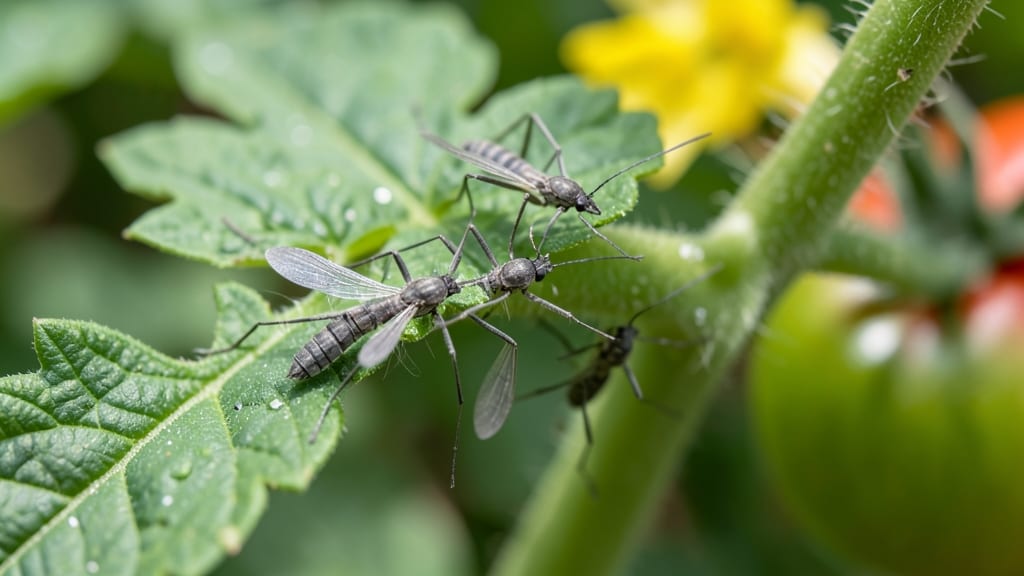
Fungus gnats on tomato plants turn your lush vines into a battleground. 🌱 These tiny black flies swarm soil and leaves, stunting growth and leaving behind telltale damage—yellowing leaves and weak stems. I’ve battled them for years, and I’ll show you the 24-hour traps that actually work without harsh chemicals.
The problem starts with moist soil, overwatering, or decaying organic matter—perfect breeding grounds for these pests. You’ll spot them hovering near soil or see tiny larvae wriggling in damp potting mix. The damage? Wilting plants, stunted fruit, and a cycle of stress that weakens your tomatoes before harvest.
With the right traps—yellow sticky cards, DIY beer baits, or beneficial nematodes—you’ll see gnat numbers drop within a day. Your plants will bounce back faster than you think, and the traps keep working for weeks with minimal effort.
Works for both container and in-ground tomatoes, and the methods scale from a single plant to your entire garden. Let’s get those gnats under control for good!
The Hidden Triggers Behind Tiny Invaders
Those pesky fungus gnats and fruit flies swarming your tomato plants aren’t just random pests—they’re drawn by specific conditions in your garden. Understanding why they appear is the first step to outsmarting them. Here’s a breakdown of the most common causes, backed by science and actionable insights.
Fungus gnats thrive in damp, soggy soil because their larvae need moisture to survive. Here’s why this happens:
- Excessive watering: If you water your tomato plants daily (or even every other day), you’re creating a gnat paradise. These pests lay eggs in moist soil, and the larvae feed on organic matter—like your plant roots—while submerged.
- Compacted or heavy soil: Clay or poorly amended soil holds water like a sponge, giving gnats the perfect breeding ground. Without airflow, the soil stays damp longer, extending the gnat lifecycle.
- Containers without drainage holes: Pots act as gnat traps if water pools at the bottom. Even "self-watering" systems can become gnat hotspots if not monitored.
💡 Pro Tip: Let the top 1 inch of soil dry out between waterings. Use a moisture meter or stick your finger in—if it’s damp past your first knuckle, wait a day. For containers, ensure drainage holes are clear and consider elevating pots to improve airflow.
Gnats are attracted to rotting plant debris because it’s a buffet for their larvae. Here’s how it plays out:
- Fresh mulch or compost: While mulch is great for moisture retention, fresh organic matter (like grass clippings or uncomposted leaves) ferments and releases heat—perfect for gnat eggs to hatch quickly.
- Dead or fallen leaves: Tomato plants drop leaves naturally, and if they pile up near the base, they create a microclimate where gnats lay eggs. The decomposing leaves become a larval smorgasbord.
- Over-fertilized soil: Too much nitrogen (common in fresh manure or synthetic fertilizers) speeds up microbial activity, which in turn increases soil warmth and moisture—ideal gnat conditions.
🔥 Action Step: Remove all decaying plant material from around your tomato plants, especially in containers. If using compost, opt for aged compost (fully decomposed, dark, and crumbly) rather than fresh piles. For fallen leaves, rake them away or use them as mulch elsewhere in the garden.
While fungus gnats target soil, fruit flies (drosophila) are drawn to your tomato plants for a completely different reason: your fruit. Here’s how it works:
- Sugary, fermenting fruit: As tomatoes ripen, they release ethanol and organic acids, which attract fruit flies. Overripe or damaged tomatoes become a magnet for these pests.
- Cracked or split tomatoes: When tomatoes split, they expose juices and sugars to the air, speeding up fermentation. This creates a scent trail that flies can detect from yards away.
- Harvest delays: Leaving tomatoes on the vine past their prime (especially in warm, humid conditions) accelerates spoilage, making them even more appealing to flies.
🌡️ Quick Fix: Harvest tomatoes before they fully ripen indoors if gnats are a problem. For overripe fruit, remove it immediately—don’t leave it on the ground or in the garden. If you must compost, bury it deep or use a sealed bin to prevent flies from accessing it.
Healthy tomato plants are less attractive to pests because they’re less stressed and produce fewer sugars in their leaves and fruit. But when plants are crowded or struggling, they send out signals that gnats interpret as "easy prey." Here’s why:
- Poor airflow: Dense foliage traps moisture, creating humid microclimates where gnats thrive. Without airflow, soil stays damp longer, and leaves stay wet, making them easier targets for adult gnats to lay eggs.
- Nutrient deficiencies: Plants deficient in nitrogen, phosphorus, or potassium produce weaker stems and leaves, which are more susceptible to gnat damage. Weak roots also struggle to compete with gnat larvae for nutrients.
- Pests or diseases: If your tomatoes are already battling aphids, whiteflies, or fungal infections, the stress signals (like volatile organic compounds) can attract more pests, including gnats.
🎯 Prevention Tip: Prune your tomato plants to improve airflow (aim for a bushy but open structure). Space plants 18–24 inches apart in the garden or thin seedlings in containers. Use a balanced fertilizer (like 10-10-10) to keep plants robust, and address other pest issues immediately to avoid a cascading infestation.
Now that you know why gnats are crashing your tomato party, the next step is to disrupt their lifecycle—and we’ve got natural traps that work in 24 hours to show you how. Stay tuned!
Quick Fixes for Tiny Garden Invaders
If you’ve spotted tiny, buzzing gnats swarming your tomato plants, don’t panic—these pesky pests are easier to evict than you think! The key is to tackle them fast and naturally before they wreak havoc on your harvest.
Below, we’ve broken down the most effective solutions, tailored to the root causes of your gnat problem. Whether it’s overwatered soil, rotting debris, or a lack of predators, we’ve got you covered with practical, garden-ready fixes that work in 24 hours or less.
Gnats thrive in soggy, anaerobic soil—so the first step is to cut back on watering and improve drainage. Here’s how:
- 🔥 Reduce Watering Frequency
- Let the top 1–2 inches of soil dry out between waterings. Stick your finger in the dirt—if it’s damp, wait a day.
- Water deeply but less often to encourage roots to grow deeper (and gnats to flee).
- 🍳 Add Organic Matter for Drainage
- Mix in compost or coconut coir to loosen heavy soil. This improves aeration and discourages gnat larvae from setting up shop.
- ⏰ Speed-Dry with Mulch
- Spread a 2–3 inch layer of straw or wood chips around plants to shield soil from moisture and heat. This creates a dry barrier gnats avoid.
💡 Pro Tip: If your pots don’t have drainage holes, switch to self-watering containers or add perlite to the mix to prevent waterlogging.
Decaying plant matter, fallen leaves, and even overripe tomatoes create the perfect gnat buffet. Here’s how to sanitize your garden:
- 👨🍳 Remove All Organic Debris
- Rake up fallen leaves, weeds, and plant clippings daily (yes, really!). Compost them away from your tomato patch—gnats will follow the scent.
- 🥘 Toss Infested Plants
- If a tomato plant is heavily damaged or moldy, don’t compost it. Bag it and throw it out to starve gnat populations.
- 🔪 Prune for Airflow
- Thin out crowded foliage to reduce humidity near the soil. Gnats love damp, shaded spots—let sunlight and breeze do the work for you.
✨ Bonus: Sprinkle dried diatomaceous earth (food-grade) around the base of plants. It’s a natural desiccant that kills gnat larvae on contact (but only use it on dry soil!).
Gnats are part of the food chain—so let nature balance the scales with these gnat-hunting allies:
| Predator | How to Attract Them |
|---|---|
| 🐝 Ladybugs | Plant dill, fennel, or marigolds nearby. Release ladybug larvae (they’re hungry gnat hunters!). |
| 🕷️ Spiders | Leave some wild grass or leaf litter in corners of your garden. Spiders build webs where gnats get trapped. |
| 🐛 Ground Beetles | Add mulch or logs to create hiding spots. These nocturnal hunters eat gnat pupae in the soil. |
| 🦋 Dragonflies | Install a small pond or water feature—adult dragonflies snack on gnats mid-air! |
🎯 Fastest Fix: Buy beneficial nematodes (Steinernema feltiae) from a garden store. Sprinkle them on moist soil—they seek out and kill gnat larvae within 48 hours. No chemicals, just microscopic warriors!
For an immediate reduction in gnat numbers, set up these DIY traps:
- 🍎 Apple Cider Vinegar Trap
- Fill a small jar with apple cider vinegar + a drop of dish soap. Cover with plastic wrap, poke holes, and place near plants. Gnats are drawn in and drowned within hours.
- 🥗 Yellow Sticky Traps
- Hang yellow cards coated in petroleum jelly (or buy pre-made sticky traps) at plant height. Gnats are attracted to yellow and get stuck fast.
- 🌡️ Heat or Cold Shock
- For greenhouse growers, raise temps to 90°F for 24 hours or lower them to 50°F overnight. Gnats can’t survive extreme temps—it’s like a gnat sauna!
💡 Pro Tip: If gnats are inside your greenhouse, try a fan trick: Place a fan near the plants to create airflow. Gnats can’t fly in strong winds—they’ll either leave or get too tired to breed.
With these targeted fixes, you’ll see a noticeable drop in gnat numbers within 24 hours. The key is consistency—keep up with watering habits, clean up debris, and let nature (or traps!) do the rest. Your tomato plants—and your sanity—will thank you!
Frequently asked questions
What do gnats on tomato plants look like?
Adult gnats are tiny, 1/8-inch-long black or gray flies that hover near soil or leaves. Their larvae are thin, white, and worm-like, about 1/4-inch long, and wriggle in damp soil. Look for them near the base of plants or in potting mix. Fungus gnats resemble fruit flies but are darker and prefer soil.
Are gnats harmful to tomato plants?
Yes! Gnat larvae feed on plant roots, causing stunted growth and yellowing leaves. Adults lay eggs in moist soil, creating a cycle. Severe infestations can weaken plants enough to reduce fruit yield. The damage is often mistaken for underwatering or disease.
How do I know if my tomato plants have gnats?
Check for tiny black flies swarming soil or leaves, white larvae in damp potting mix, or yellowing lower leaves. Also watch for slow growth or wilting despite proper watering. Shake plants over a white surface—gnats will scatter.
Will gnats go away on their own?
Unlikely! Gnats reproduce quickly in ideal conditions (moist soil, organic matter). Without intervention, they'll persist or worsen. Act fast with traps or soil drying to break their lifecycle. Left untreated, they'll continue damaging roots and stressing your plants.
Can I use coffee grounds to repel gnats?
Yes! Sprinkle used coffee grounds around plant bases—they repel gnats while adding nitrogen. The caffeine disrupts their scent trails. Mix with soil or place in a shallow dish near plants. Refresh weekly for best results.