
Planting
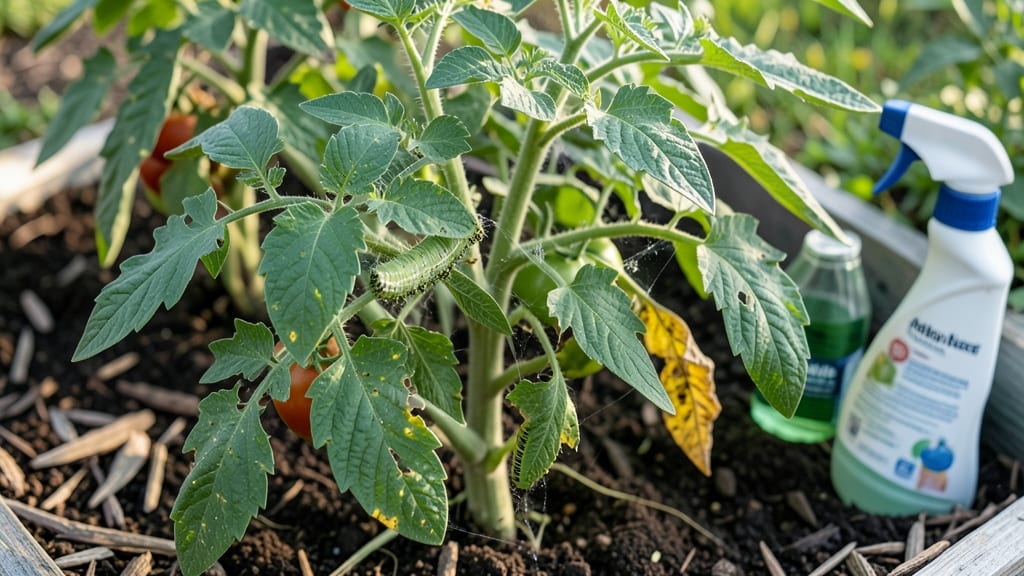
The most common tomato plant pests strike faster than you can say "sauce." 🌱 The good news? I’ve battled aphids, hornworms, and whiteflies for years—and these organic fixes stop the damage in 48 hours without harsh chemicals. No more wilting leaves or skeletonized vines by harvest time.
Most infestations start small: tiny holes in leaves, sticky residue, or chewed stems. The key is acting fast—spraying neem oil on aphids, handpicking hornworms (yes, really), or introducing ladybugs for whiteflies. These methods work because they target pests at their weakest stage, before they multiply.
By the end of two days, your plants bounce back with stronger growth. The secret? Prevention—crop rotation, healthy soil, and companion planting (like basil or marigolds) keep pests away before they become a problem. No more losing your entire harvest to tiny invaders.
Works for backyard gardens, containers, or even balcony plots. Here’s how to spot, stop, and prevent the worst tomato pests—without chemicals.
Root Causes Behind Tomato Plant Pests
Tomato plants may seem like the picture of resilience, but they’re actually prime targets for pests due to their nutrient-rich foliage, shallow root systems, and tender fruits. Understanding why these critters invade helps you take preemptive action.
Below, we break down the science behind the most common tomato plant pest problems—and how their behavior directly impacts your harvest.
Tomato plants thrive when they have space to breathe, but when they’re packed too closely together, several problems arise:
- Poor air circulation: Stagnant air creates a moist, humid microclimate—the perfect breeding ground for fungal diseases like early blight and late blight, which attract pests like hornworms and aphids that feed on weakened leaves.
- Competition for nutrients: Overcrowded roots stress plants, making them less resistant to pests. Weakened stems become easier targets for cutworms, which sever young plants at the base.
- Shade and moisture buildup: Dense foliage traps moisture, encouraging slugs and snails (which thrive in damp conditions) and whiteflies, which lay eggs on the undersides of leaves.
Actionable fix: Space tomato plants 18–24 inches apart (or 36 inches for indeterminate varieties) and prune lower leaves to improve airflow. Mulching with straw or grass clippings keeps soil dry and deters ground-dwelling pests.
Tomatoes are heavy feeders, and when their nutritional needs aren’t met, they become more vulnerable to pests. Here’s how imbalances play a role:
| Nutrient Deficiency | Pest Response | Why It Happens |
|---|---|---|
| Nitrogen (N) deficiency | Aphids, spider mites, and whiteflies | Stressed plants produce sticky honeydew (a byproduct of sap-sucking pests), which attracts sooty mold—a fungal growth that further weakens the plant. |
| Potassium (K) deficiency | Flea beetles, stink bugs | Potassium strengthens cell walls; without it, plants develop weak, brittle tissues that pests can easily penetrate. Stink bugs, for example, inject toxins into fruits, causing cat-facing scars. |
| Phosphorus (P) deficiency | Root-knot nematodes | Phosphorus supports root growth; a deficiency leads to stunted, fibrous roots that nematodes (microscopic worms) can easily infest, reducing water and nutrient uptake. |
Actionable fix: Conduct a soil test and amend with balanced organic fertilizer (like compost or fish emulsion). Avoid over-fertilizing with nitrogen—it promotes leafy growth over fruit, making plants more attractive to sap-suckers.
Pests don’t just appear randomly—they’re drawn to specific environmental conditions. Here’s how weather patterns set the stage:
- Hot, dry conditions:
- Attract hornworms (they seek out water-rich tomato plants).
- Encourage spider mites, which thrive in low humidity and multiply rapidly on stressed plants.
- Warm nights + high humidity:
- Ideal for aphids and whiteflies, which reproduce faster in heat (some species complete a generation in 7–10 days).
- Promotes blossom end rot (calcium deficiency), which creates open wounds that pests like fruit flies exploit.
- Cool, wet springs:
- Favors slugs, snails, and cutworms, which hibernate in soil and emerge when conditions are damp.
- Increases disease pressure (like powdery mildew), which weakens plants and makes them more palatable to pests.
Actionable fix:
- Use row covers in early spring to block cutworms and slugs.
- Install shade cloth (30–50%) during peak summer heat to deter spider mites.
- Water deeply in the morning to reduce humidity on leaves (pests hate dry foliage).
Tomato pests don’t just find your garden—they’re often already lurking in last year’s debris. Here’s how old plant material fuels infestations:
- Overwintering eggs: Pests like hornworms, stink bugs, and squash bugs lay eggs in plant residue. When you replant tomatoes in the same spot, the cycle repeats.
- Fungal spores: Diseased leaves left in the soil harbor early blight and verticillium wilt, which attract pests that feed on compromised tissue.
- Weeds as pest hotels: Many pests (like aphids and whiteflies) thrive on alternate host plants (e.g., nightshade, purslane). If weeds go unchecked, they overflow into your tomato patch.
Actionable fix:
- Practice crop rotation—avoid planting tomatoes (or other nightshades) in the same spot for 3–4 years.
- Remove all plant debris at season’s end (compost only disease-free material).
- Mulch with straw or cardboard to smother weeds and block overwintering pests.
By addressing these root causes—space, nutrition, weather, and hygiene—you can dramatically reduce pest pressure before it starts. The key? Prevention is cheaper (and less toxic) than cure.
Quick Fixes for Tomato Plant Pests
Tomato plants are a gardener’s pride—but pests like aphids, hornworms, and whiteflies can turn your harvest into a battle. The good news? Most issues can be resolved organically in 48 hours with the right approach.
Below, we’ll map the most common tomato pests to practical, fast-acting solutions, plus prevention tips to keep your plants thriving.
Signs: Sticky residue (honeydew), curled leaves, or clusters of tiny green/black insects on new growth.
🔥 How to Zap Them Fast
- Blast Them Off 💦
- Spray with soapy water (1 tsp mild dish soap + 1 quart water) directly on infested areas. Repeat every 2–3 days until gone.
- Rinse with a strong stream from a hose if aphids are overwhelming.
- Introduce Predators 🦋
- Ladybugs, lacewings, and parasitic wasps love aphids. Buy them online or attract them with dill, fennel, or marigolds nearby.
- Neem Oil Knockout 🌿
- Mix 1 tbsp neem oil + 1 tsp mild soap + 1 quart water. Spray leaves thoroughly at dusk. Reapply after rain.
💡 Prevention Tips
- Plant basil or garlic near tomatoes—aphids hate the scent!
- Inspect new plants before adding them to your garden.
- Encourage airflow by pruning crowded foliage.
Signs: Large green caterpillars (3–4 inches), chewed leaves with only the midrib left, or black droppings.
🍳 How to Outsmart Them
- Handpick & Drown 👨🍳
- Wear gloves, pluck them off, and drop them in soapy water. Check plants daily at dawn/dusk when they’re sluggish.
- Bacillus Thuringiensis (Bt) Spray 💊
- A natural bacteria that kills hornworms when ingested. Spray leaves every 5–7 days until no more caterpillars appear.
- Chicken Guard Duty 🐔
- If you have chickens, let them free-range near your tomato patch—they’ll snack on hornworms before they destroy your plants.
💡 Prevention Tips
- Plant borage—its flowers attract parasitic wasps that hunt hornworms.
- Remove egg clusters (tiny white ovals on leaves) before they hatch.
- Avoid over-fertilizing with nitrogen—hornworms love lush, soft leaves.
Signs: Tiny white moth-like insects flying up when you disturb plants, sticky honeydew, and yellowing leaves.
🔪 How to Eradicate Them
- Yellow Sticky Traps 🎯
- Hang yellow cards coated with petroleum jelly near plants. Whiteflies are drawn to yellow and get trapped.
- Insecticidal Soap Blast 🚿
- Spray every 3–4 days with 1.5 tbsp castile soap + 1 quart water. Cover both sides of leaves.
- Neem Oil Barrier 🛡️
- Apply neem oil + water + a drop of dish soap to prevent eggs from hatching. Reapply after rain.
💡 Prevention Tips
- Use reflective mulch (aluminum foil or silver plastic) to disorient whiteflies.
- Avoid overwatering—they thrive in damp conditions.
- Rotate crops—don’t plant tomatoes in the same spot yearly.
Signs: Ragged, skeletonized leaves, yellow-orange beetles, and tiny larvae that look like tiny alligators.
⏰ How to Stop Them in Their Tracks
- Handpick Adults & Larvae 🪰
- Drop them in soapy water—they cannot swim. Check under leaves where they hide.
- Diatomaceous Earth Dust 🏖️
- Sprinkle food-grade DE on soil and leaves. It dehydrates their waxy skin. Reapply after watering.
- Row Covers Early 🧶
- Use floating row covers before beetles appear (they can’t lay eggs if they can’t reach the plant).
💡 Prevention Tips
- Plant trap crops like potatoes or eggplants far from tomatoes to distract beetles.
- Remove weeds—they’re a favorite hiding spot.
- Rotate crops—beetles overwinter in soil.
Signs: Irregular holes in leaves, silver slime trails, and missing fruit.
🌡️ How to Evict Them
- Beer Traps 🍺
- Bury a container filled with beer at soil level. Slugs crawl in and drown. Refresh every 2 days.
- Copper Barrier ⚡
- Wrap copper tape around pots or create a copper wire ring around plants. The electric shock repels them.
- Diatomaceous Earth Ring 🛡️
- Create a 2-inch barrier of DE around plants. It cuts their bodies and deters them.
💡 Prevention Tips
- Water in the morning—slugs are active at night when soil is damp.
- Crush egg cartons around plants—they hate the texture.
- Encourage predators like ground beetles with mulch and rocks.
- Inspect plants 2–3x weekly—catch pests early before they spread.
- Rotate crops yearly to break pest cycles.
- Keep your garden healthy—stressed plants attract more pests!
With these fast, organic fixes, your tomato plants will bounce back in under 48 hours, and your harvest will stay pest-free all season. 🍅💪
Frequently asked questions
How do I tell if my tomato plants have pests before the damage is severe?
Check the undersides of leaves for tiny insects, sticky residue (honeydew), or tiny eggs. Look for chewed edges or silver slime trails (slugs). Early signs include curled leaves, yellowing, or tiny holes in foliage. Act fast—most pests double in population every 3–7 days!
Can I use the same organic sprays for all tomato pests?
No—each pest needs a targeted approach. For example, neem oil works on aphids and whiteflies but won’t kill hornworms. Bt spray is hornworm-specific, while insecticidal soap targets soft-bodied pests like mites. Always match the treatment to the pest!
What’s the fastest way to stop slugs from eating my tomato fruits?
Create a copper barrier around plants (copper tape or wire) or use beer traps (bury containers filled with beer). Slugs are drawn to it and drown. For immediate protection, handpick them at night with a flashlight and drop them in soapy water.
Will companion planting really keep pests away?
Yes! Plant basil, marigolds, or borage near tomatoes—they repel aphids, whiteflies, and even deter hornworms. Basil also improves tomato flavor! For ground pests like flea beetles, try nasturtiums as a trap crop.
How often should I inspect my tomato plants for pests?
Check plants 2–3 times per week, especially after rain or when new growth appears. Early detection is key—most pests start small and multiply quickly. Focus on leaf undersides, stems, and soil surface where eggs hide.