
Plants
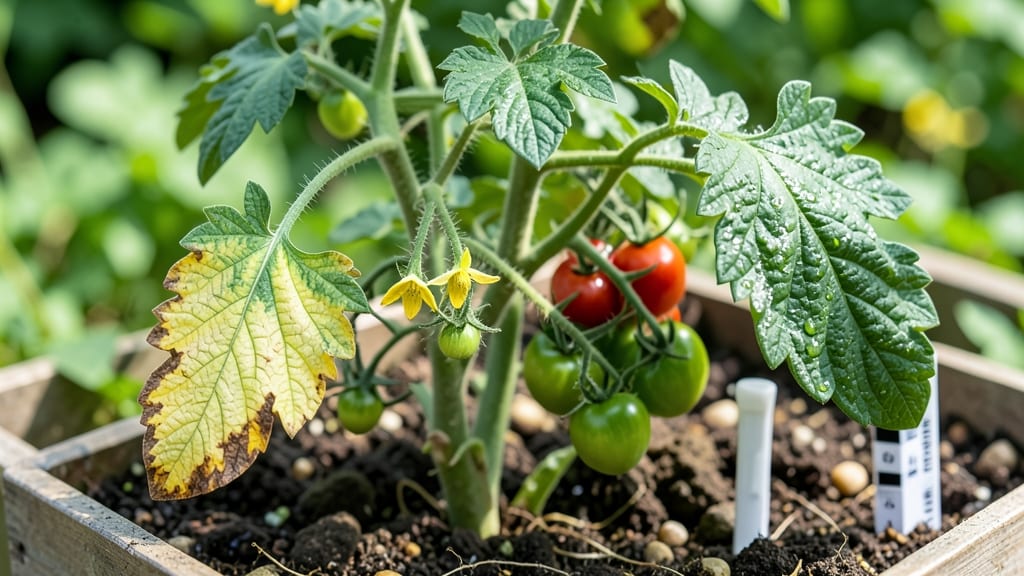
Your cherry tomato plant leaves turning yellow could mean a nutrient deficiency—or something more serious. 🌱 I’ve seen this happen when plants struggle to get the right balance of water, light, and food, and the good news is most fixes are simple once you know what to look for.
Start by checking the pattern: yellowing between veins often signals magnesium deficiency, while yellowing at the edges could mean overwatering or too much salt. The first step is to adjust your watering routine—tomatoes hate soggy roots—and add a balanced fertilizer to give them a boost.
Within a week of fixing the issue, you’ll see new leaves emerging in vibrant green. The key is acting fast before the problem spreads to the stems or fruit, because that’s when things get tricky.
If yellowing persists after adjusting care, it might be time to test your soil or check for pests. Most home gardeners can solve this without calling in the pros—just follow the step-by-step fixes ahead.
Root Causes Behind Yellowing Leaves
When your cherry tomato plant’s leaves start turning yellow, it’s often a cry for help—your plant is trying to tell you something’s off. Understanding the why behind the discoloration is the first step to saving your harvest.
Below, we break down the most common culprits, backed by science, so you can diagnose and fix the issue with confidence.
Yellowing leaves are a classic sign of root stress, and overwatering is one of the most common offenders. When soil stays soggy for too long, roots suffocate from a lack of oxygen, leading to anaerobic conditions. This disrupts nutrient uptake, causing leaves—especially older ones—to turn yellow and wilt.
Even worse? Overwatering flushes out essential nutrients like nitrogen, magnesium, and potassium, which are critical for leaf health. If the soil feels damp for more than a day after watering or you notice mushy roots when you check, you’re likely overdoing it.
Actionable fix: Let the top 1-2 inches of soil dry out between waterings. Improve drainage by amending heavy soil with perlite or compost, and ensure pots have drainage holes. If your plant is already waterlogged, hold off on watering until the soil is dry to the touch.
Yellowing leaves often signal a nutrient imbalance, with deficiencies in key elements causing distinct patterns:
| Nutrient | Yellowing Pattern | Why It Happens |
|---|---|---|
| Nitrogen (N) | Older leaves turn yellow first, then brown. | Nitrogen is vital for chlorophyll production. A deficiency stalls growth, causing leaves to lose their green pigment. Common in fast-growing plants like cherry tomatoes that deplete soil quickly. |
| Magnesium (Mg) | Yellow patches between leaf veins (interveinal chlorosis). | Magnesium is central to chlorophyll molecules. Deficiencies often occur in alkaline soils or when plants can’t absorb nutrients due to compacted roots. |
| Potassium (K) | Yellowing edges or tips, often with brown spots. | Potassium regulates water and nutrient movement. A lack of it weakens cell structures, leading to necrosis (dead tissue) on leaf edges. |
| Iron (Fe) | Young leaves turn yellow while veins stay green. | Iron is essential for chlorophyll but becomes unavailable in alkaline soils. Even if iron is present, the plant can’t access it. |
Actionable fix: Test your soil’s pH (ideal for tomatoes: 6.0–6.8). For deficiencies:
- Nitrogen: Apply a balanced fertilizer (e.g., 10-10-10) or compost tea.
- Magnesium: Use Epsom salt (1 tbsp per gallon of water, sprayed on leaves or soil).
- Potassium: Switch to a potassium-rich fertilizer (e.g., 5-10-10) or use banana peel tea.
- Iron: Use chelated iron supplements or lower soil pH with sulfur.
Cherry tomatoes thrive in warmth (70–85°F) and full sun (6–8 hours/day). When temperatures dip below 50°F or exceed 90°F, or if light is insufficient, leaves may yellow as a stress response.
Extreme heat can cause leaf scorch (brown, crispy edges), while cold snaps lead to chlorosis (yellowing due to slowed chlorophyll production). Shade cloth or inconsistent sunlight (like moving plants too often) can also trigger yellowing.
Actionable fix:
- Move plants to a sunny, sheltered spot (e.g., south-facing window or greenhouse).
- Use shade cloth (30–50%) if temps exceed 90°F.
- Avoid placing plants near drafts, AC units, or heaters.
- For container growers, use heat-resistant pots and mulch to regulate soil temperature.
Not all yellowing is due to environmental factors—pests and pathogens can also wreak havoc. Here’s what to watch for:
- Aphids/Spider Mites: These sap-sucking pests inject toxins that cause yellowing, curling, or stippling (tiny white/yellow dots). Check the undersides of leaves.
- Fungal Issues (Early Blight, Septoria Leaf Spot): Yellow spots with concentric rings or brown lesions often signal fungal infections. Humid conditions or overhead watering encourage these.
- Root-Knot Nematodes: Microscopic worms that feed on roots, stunting growth and causing yellowing. Common in warm, moist soil.
Actionable fix:
- Pests: Blast off aphids with water or use neem oil. For mites, introduce predatory insects (e.g., ladybugs) or apply insecticidal soap.
- Fungal Diseases: Remove infected leaves immediately. Water at the base of the plant (not overhead) and space plants for airflow. Use copper fungicide as a preventative.
- Nematodes: Solarize soil (cover with plastic for 4–6 weeks) or plant nematode-resistant tomato varieties (e.g., ‘Mountain Merit’).
If yellowing appears shortly after repotting or transplanting, your plant may be suffering from root disturbance. Cherry tomatoes have delicate root systems, and even minor damage can disrupt nutrient absorption, leading to yellow leaves.
Overcrowded roots (from small pots) or circumstantial damage (e.g., rough handling during transplant) can also trigger stress responses.
Actionable fix:
- Repot into a larger container (at least 12–18 inches deep) with fresh, well-draining soil.
- Gently loosen roots before transplanting to encourage regrowth.
- Avoid fertilizing for 1–2 weeks post-transplant to reduce stress.
- Use root stimulants (e.g., mycorrhizal fungi) to speed recovery.
Quick Fixes for Yellowing Tomato Leaves
When your cherry tomato plant’s leaves start turning yellow, it’s a clear signal that something needs attention—whether it’s a nutrient imbalance, pest problem, or environmental stress. The good news? Most issues have simple, actionable solutions.
Below, we’ll break down how to diagnose and treat the root cause, along with prevention tips to keep your plants thriving. Let’s get your tomatoes back to their vibrant, productive best!
Yellowing leaves often start at the bottom of the plant and feel soggy when touched. This is a classic sign of root rot or waterlogged soil, which cuts off oxygen and drowns roots.
How to Fix It:
✅ 🔥 Step 1: Check the Soil Moisture
- Stick your finger 1-2 inches deep into the soil. If it’s damp or sticky, you’re overwatering.
- Pro Tip: Use a moisture meter for accuracy—aim for soil that’s damp but not soggy.
✅ 👨🍳 Step 2: Adjust Your Watering Routine
- Water deeply but less frequently—only when the top 1-2 inches of soil are dry.
- Morning watering is best (avoids fungal growth from evening moisture).
- Use a pot with drainage holes if growing in containers.
✅ 🌡️ Step 3: Improve Soil Drainage
- Mix in perlite, sand, or coconut coir (20-30%) to loosen heavy soil.
- If root rot is severe, repot the plant in fresh, well-draining soil and trim any black, mushy roots.
✅ 💡 Prevention Tip:
- Never let plants sit in saucers of water—empty excess after watering.
- Mulch around the base (with straw or wood chips) to retain moisture without suffocating roots.
Yellowing leaves can also signal nutrient deficiencies, especially nitrogen (N), magnesium (Mg), or iron (Fe).
Look for these clues: - Pale yellow leaves (N deficiency) – Starts at the older leaves, stunted growth. - Yellow between veins (Mg/Fe deficiency) – Often on younger leaves, crispy edges. - Purple stems (phosphorus deficiency) – Less common but possible in poor soil.
How to Fix It:
✅ 🥗 Step 1: Test Your Soil (DIY or Lab)
- A simple soil test kit (from garden centers) can reveal pH and nutrient levels.
- Ideal pH for tomatoes: 6.0–6.8 (adjust with lime to raise or sulfur to lower).
✅ 🍽️ Step 2: Apply the Right Fertilizer
| Deficiency | Quick Fix | Prevention |
|---|---|---|
| Nitrogen (N) | Balanced fertilizer (10-10-10) or compost tea | Side-dress with fish emulsion every 3 weeks. |
| Magnesium (Mg) | Epsom salt (1 tbsp/gallon water) spray or soil drench. | Add dolomitic lime to soil annually. |
| Iron (Fe) | Chelated iron supplement or used coffee grounds (composted). | Use well-aged compost for slow-release nutrients. |
| Potassium (K) | Banana peel tea or potassium sulfate. | Mulch with wood ash (sparingly). |
✅ 🌿 Step 3: Boost Microbes for Better Uptake
- Add worm castings or mycorrhizal fungi to help roots absorb nutrients.
- Avoid over-fertilizing—too much salt can burn roots!
✅ 🎯 Prevention Tip:
- Rotate crops—tomatoes are heavy feeders; don’t plant them in the same spot yearly.
- Feed regularly but lightly—better to under-fertilize than overdo it.
Yellowing leaves can also be a side effect of pests or fungal/bacterial infections. Check for:
- Aphids, spider mites, or whiteflies (sticky residue, webbing).
- Early blight or septoria leaf spot (brown/yellow spots with concentric rings).
- Fusarium or verticillium wilt (yellowing + wilting, often starting at the bottom).
How to Fix It:
✅ 🔪 Step 1: Identify the Culprit
- Flip leaves—look for holes, eggs, or sap-sucking pests.
- Check stems for dark streaks (wilt diseases).
✅ 🛡️ Step 2: Treat Pests Naturally
- Spray with neem oil (1 tsp + 1 quart water + drop of dish soap) every 5-7 days.
- Blast off aphids with a strong water spray.
- Release beneficial insects (ladybugs, lacewings).
✅ 🌡️ Step 3: Fight Fungal Diseases
- Remove infected leaves and sterilize pruners with rubbing alcohol.
- Apply copper fungicide or baking soda spray (1 tsp baking soda + 1 quart water + drop of soap).
- Improve airflow—space plants 18-24 inches apart and prune for better circulation.
✅ ✨ Prevention Tip:
- Water at the base (avoid wetting leaves) to prevent fungal spores.
- Rotate crops and clean up debris after harvest to reduce disease buildup.
Tomatoes are heat-loving but hate extreme conditions. Yellowing can occur if:
- Too much sun (scorched leaves, crispy edges).
- Temperature drops below 50°F (10°C) (stunted growth, yellowing).
- Windburn (dried, yellowed leaf tips).
How to Fix It:
✅ 🌿 Step 1: Provide Shade in Extreme Heat
- Use shade cloth (30-50%) if temps exceed 90°F (32°C).
- Mulch heavily to keep roots cool.
✅ 🔥 Step 2: Protect from Cold Snaps
- Cover plants with row covers or blankets if frost is forecasted.
- Move potted tomatoes to a sheltered spot.
✅ 💡 Prevention Tip:
- Choose heat-tolerant varieties (e.g., ‘Solar Fire’, ‘Heatmaster’).
- Water deeply in the morning to help plants withstand heat stress.
💡 🌱 Prune Wisely – Remove yellow leaves (they drain energy) but leave some green foliage for photosynthesis. 💡 🌡️ Monitor Consistently – Check leaves weekly for early signs of stress. 💡 🥗 Feed & Hydrate Smart – Morning watering + evening mulch keeps roots happy without fungal risks.
With these fixes, your cherry tomato plant should bounce back in 1-2 weeks—and you’ll be on your way to a bountiful harvest! 🍅🌿
Frequently asked questions
Why are my cherry tomato leaves turning yellow only between the veins?
This classic pattern signals a magnesium deficiency, often called interveinal chlorosis. Magnesium is essential for chlorophyll production, and when levels drop (common in alkaline soils or over-fertilized plants), the areas between veins yellow first. Try applying Epsom salt solution (1 tbsp per gallon of water) as a foliar spray or soil drench every 2 weeks.
Can overwatering cause yellow leaves on cherry tomatoes?
Absolutely—it's one of the most common causes. When roots sit in soggy soil, they suffocate from lack of oxygen, preventing nutrient uptake. You'll often see yellowing start on older leaves first. Let the top 1-2 inches of soil dry out between waterings and ensure containers have drainage holes.
What should I do if yellowing appears after repotting?
Your plant is likely suffering from transplant shock or root damage. Give it 1-2 weeks to recover, then apply a root stimulator (like mycorrhizal fungi). Avoid fertilizing during this time, and keep soil consistently moist but not waterlogged. Most plants rebound within 2-3 weeks with proper care.
Are yellow leaves always a bad sign?
Not necessarily! Some yellowing is natural as plants age, especially on older, lower leaves. The key is monitoring: if new leaves stay green and growth continues, it's likely normal. But if yellowing spreads to younger leaves or stems, act quickly—this indicates a serious problem like disease or severe nutrient deficiency.
How can I tell if my tomato's yellow leaves are from pests vs. disease?
Check the leaf undersides for tiny webs, eggs, or sticky residue (pests like aphids or spider mites). For disease, look for spots with rings or dark streaks on stems. Pests often cause curling or stippling (tiny dots), while diseases typically show as irregular brown/yellow patches. Isolate affected plants immediately to prevent spread.