
Vegetables
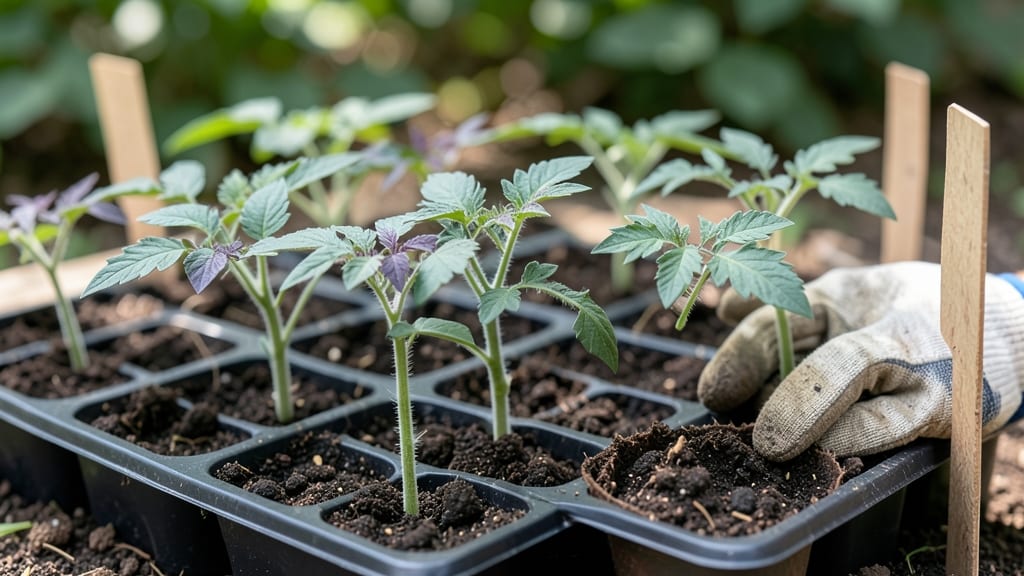
Growing Cherokee Purple tomato seedlings gives you those dramatic, deep purple-striped fruits that taste like a cross between beefsteak and heirloom sweetness—and they fight disease better than most varieties. 🌱 I’ve grown them for three seasons now, and the key to their bold flavor and resilience starts with the right seedling care from day one.
The first two weeks are critical: keep seedlings in bright light (a grow light if your windowsill isn’t sunny enough) and water from the bottom to avoid damping off. Overhead watering turns soil into a fungal buffet, and these tomatoes hate soggy feet.
Once they’ve got their first true leaves, you’ll notice the sturdy stems that make them less prone to snapping in wind or rain. By transplanting at the right time—when nighttime temps stay above 50°F—you’ll see plants that establish roots faster and handle heat waves better than store-bought seedlings.
The payoff? Fruits that stay firm on the vine, develop that signature deep purple blush, and burst with flavor when sliced open. This variety thrives in full sun and well-draining soil with a pH between 6.0 and 6.8, but the real secret is consistency.
Too much nitrogen early on? You’ll get leafy monsters with no fruit. Too little water? The skins toughen up. Let’s get those seedlings off to the right start.
📚 In This Guide
- What you need
- Instructions
- Tips and common mistakes
- Wrapping up and next steps
What you need
- ● Cherokee Purple tomato seeds or seedlings – 3-5 plants per person (or 1 plant per 2-3 sq ft of garden space). Choose heirloom, organic seeds for best results.
- ● Seed-starting mix or potting soil – Lightweight, sterile mix (avoid garden soil—it can harbor diseases). A 50/50 blend of peat moss and perlite works well.
- ● Seed trays or small pots – 2-3 inch deep with drainage holes (biodegradable pots are eco-friendly!).
- ● Grow lights or a sunny windowsill – 12-16 hours of light daily for seedlings (south-facing window or LED grow lights work best).
- ● Watering can or spray bottle – Fine mist setting to avoid disturbing seeds.
- ● Plant labels – To track varieties (Cherokee Purples can look different as they mature!).
- ● Trowel or small shovel – For transplanting seedlings into the garden.
- ● Garden gloves – To protect hands from soil and thorns (yes, Cherokee Purples have them!).
- ○ Fertilizer (optional but recommended) – Balanced, organic fertilizer (5-5-5 or compost tea) to boost growth. Avoid high-nitrogen early on.
- ● Mulch (straw or shredded leaves) – To retain moisture and suppress weeds.
- ● Cage or stakes – For support (Cherokee Purples can grow 2-3 feet tall and heavy with fruit!).
- ● Warmth – Seeds need 70-80°F soil temp to germinate (use a heat mat if starting indoors early).
- ● Patience – Germination takes 7-14 days (keep soil moist but not soggy!).
- ● Space – Full sun (6-8 hours daily) and well-draining soil (pH 6.0-6.8). Cherokee Purples thrive in USDA Zones 3-10.
Step-by-step instructions for growing Cherokee Purple tomato seedlings
Here's how to nurture strong, disease-resistant Cherokee Purple seedlings ready for transplant.
🌱 Step 1: Start Seeds Indoors 6-8 Weeks Before Last Frost
Fill 2-3 inch deep biodegradable pots with sterile seed-starting mix. Cherokee Purple seeds germinate best at 75-85°F, so use a seedling heat mat if your home runs cooler. Plant 2 seeds per pot at ¼ inch deep—any deeper delays germination because the seedling must push through too much soil.
Cover pots with plastic wrap to trap warmth and moisture, then place in indirect light. Check daily for condensation—if it's heavy, remove the wrap for 30 minutes to prevent mold. You'll see sprouts in 7-14 days, but cooler homes may take up to 21 days. Thin to the strongest seedling per pot once both germinate.
💧 Step 2: Provide Consistent Moisture and Light
Water gently from below by placing pots in ½ inch of water for 10 minutes. This prevents fungal diseases that thrive in wet foliage. Keep soil evenly moist but never soggy—Cherokee Purple seedlings hate wet feet. You'll know moisture is right when the top inch feels damp to touch but not dripping.
Move seedlings under grow lights as soon as they emerge. A 14-16 hour photoperiod prevents leggy growth. Position lights 2-4 inches above the plants and raise them weekly to maintain that distance. Leggy seedlings (thin stems with widely spaced leaves) mean light is too far away—bring it closer immediately.
☀️ Step 3: Harden Off Before Transplanting
Two weeks before your last frost date, begin hardening off by placing seedlings outside in partial shade for 1-2 hours the first day. Gradually increase time daily, moving them to morning sun by day 5. Cherokee Purple's thick skin makes them more cold-tolerant, but sudden temperature swings still stress young plants.
By day 10, they should tolerate full sun for 6+ hours. Watch for deep green leaves and sturdy stems—these indicate they're ready. Transplant on an overcast afternoon to reduce shock, burying stems up to the first true leaves. This encourages stronger root systems.
✂️ Step 4: Prune for Disease Resistance and Fruit Production
Once seedlings have 4-5 sets of true leaves, begin pruning suckers (the small shoots in the leaf axils). Cherokee Purple produces fewer suckers than other varieties, but removing them early directs energy to fruit production. Use clean scissors to snip suckers at the base—never tear them, which damages the plant.
After transplanting, stake each plant with 6-foot bamboo stakes tied loosely with soft twine. Cherokee Purple's heavy fruit can snap stems, so secure the main stem to the stake as it grows. Prune lower leaves up to 12 inches from the ground to improve air circulation and prevent disease. You'll see stronger, bushier plants with fewer issues as they mature.
Tips & tricks for growing Cherokee Purple tomato seedlings
These simple strategies will help you raise healthy, vigorous Cherokee Purple seedlings that thrive from seed to transplant.
Temperature Control: The 75-85°F germination range is non-negotiable for Cherokee Purple seeds. If your home runs cooler, invest in a small seedling heat mat—it makes all the difference. I learned this the hard way after struggling with slow germination in my 68°F apartment. Place the heat mat under your pots and monitor with a thermometer to maintain that sweet spot.
Lighting Technique: When positioning your grow lights 2-4 inches above seedlings, remember this: the distance should equal the height of your tallest seedling. Adjust weekly as they grow, but never let them stretch toward the light. Leggy seedlings mean you've lost the battle—bring those lights closer immediately. I've had to rescue multiple batches by moving lights from 4 inches to just 1 inch above the plants overnight.
Harden Off Gradually: The two-week hardening process is your best defense against transplant shock. Start with just 1-2 hours of partial shade on day one, then increase by 1 hour daily. I've seen seedlings wilt dramatically when moved too quickly—take it slow, especially if your climate has unpredictable weather patterns. Watch for deep green leaves and sturdy stems before committing to full sun exposure.
Pruning Strategy: Begin sucker removal only after your seedlings develop 4-5 sets of true leaves—this gives them enough energy to recover. Use clean, sharp scissors and make clean cuts at the base to avoid tearing. I've found that removing suckers every 7-10 days keeps plants bushier and more productive. The key is consistency—don't wait until you see a forest of suckers before acting.
Pro Tips for Cherokee Purple Tomato Seedlings
- These simple strategies will help you raise healthy, vigorous Cherokee Purple seedlings that thrive from seed to transplant.
- Temperature Control: The 75-85°F germination range is non-negotiable for Cherokee Purple seeds.
- Lighting Technique: When positioning your grow lights 2-4 inches above seedlings, remember this: the distance should equal the height of your tallest seedling.
Frequently asked questions
Got questions about growing Cherokee Purple tomato seedlings? You’re not alone! Here are answers to the most common queries to help you cultivate bold, flavorful harvests with ease.
When is the best time to plant Cherokee Purple tomato seedlings outdoors?
Plant your seedlings after the last frost when soil temps reach at least 55°F (13°C). In most regions, this is 2-3 weeks after your average last frost date. Use black plastic mulch or row covers to warm the soil faster if needed. Pro tip: Wait until nighttime temps stay above 50°F (10°C) to avoid stunted growth!
Can I transplant Cherokee Purple seedlings directly from the store, or should I start my own?
Store-bought seedlings work fine, but homegrown often thrive better because you control growing conditions. If buying, choose plump, disease-free seedlings with 3-4 true leaves. Harden them off for 5-7 days before transplanting. Pro tip: Avoid seedlings with yellow leaves or weak stems—they’re more prone to transplant shock!
Why are my Cherokee Purple seedlings turning yellow or wilting? What’s wrong?
Yellowing leaves often signal overwatering, underwatering, or nutrient deficiency. Check soil moisture—it should be consistently damp but not soggy. Wilting can also mean root stress (common after transplanting). Pests like aphids or disease (early blight) may also be culprits. Troubleshoot:
- Adjust watering (deep soak 1-2x/week).
- Inspect leaves for pests (spray neem oil if needed).
- Fertilize with balanced tomato food (10-10-10).
Are Cherokee Purple tomatoes good for containers? What’s the best pot size?
These tomatoes thrive in containers if given enough space. Use a pot at least 18-24 inches deep and wide with drainage holes. 5-gallon buckets work well for 1-2 plants. Ensure the pot has support (cage or stake)—Cherokee Purples grow 2-3 feet tall and produce heavy fruit. Pro tip: Mix in compost for nutrients and use moisture-retentive soil!
How do Cherokee Purple tomatoes compare to other heirloom varieties like Brandywine or Black Krim?
Cherokee Purples are sweeter, meatier, and more disease-resistant than Brandywine (which is prone to cracking) and Black Krim (tarter flavor). They’re less acidic and less watery, making them ideal for slicing or sauces. Black Krim handles cooler weather better, while Brandywine has a classic beefsteak shape. Choose Cherokee Purple for:
- Bold, purple-streaked fruit.
- Strong disease resistance (blight, wilt).
- Rich, jammy flavor with fewer seeds.
Wrapping up and next steps
Growing Cherokee Purple tomato seedlings is a rewarding journey that brings bold flavors, stunning striped fruits, and impressive disease resistance to your garden. Whether you're a seasoned gardener or just starting, these seedlings offer a delicious and resilient option for your harvest.
Now that you're equipped with the right knowledge, it's time to roll up your sleeves and plant those seeds—your future meals will thank you!
🌱 Next step: Start with healthy seedlings, nurture them with care, and soon you’ll be enjoying homegrown tomatoes that are as beautiful as they are tasty! 🍅✨