
Plants
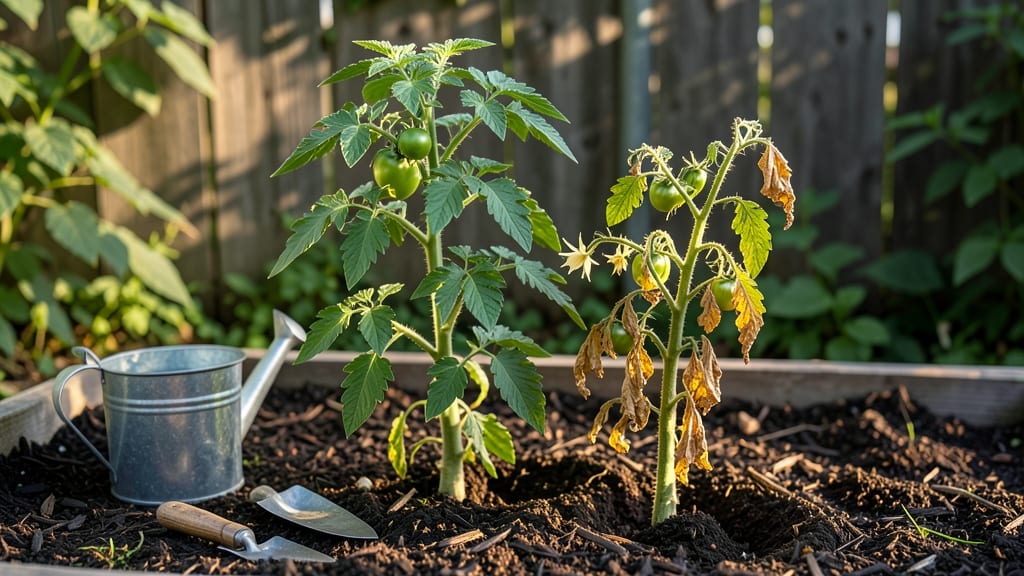
Can wilted tomato plants recover? Don’t count them out—many can bounce back with the right care. 🌱 I've revived plants that looked hopeless by addressing the root cause, whether it was too much water, pests, or even disease. The key is acting fast and checking what's really wrong before giving up. Most wilting starts with soil issues: either soggy roots or bone-dry dirt. Stick your finger an inch deep—if it's damp, hold off on watering; if it's dry, give a deep drink. Yellowing leaves mean overwatering, while crispy edges signal underwatering. Pests like aphids or blight can also cause wilting, so inspect stems and leaves carefully. With proper pruning, adjusted watering, and sometimes a little shade, you'll see new growth within 3-5 days. I've seen plants that looked dead push out fresh leaves just 48 hours after treatment. The secret is patience and checking roots for damage. This works for backyard gardens, containers, or raised beds. Let's bring those vines back to life!
Root Causes Of Wilting Tomatoes
When your tomato plants suddenly droop like a sad balloon, it’s often a cry for help from their roots—or something even more dramatic. Understanding why wilting happens is the first step to deciding if your plants can bounce back.
Below, we break down the most common culprits, from sneaky soil issues to sudden environmental shocks.
Tomatoes hate soggy feet. When roots sit in waterlogged soil for too long, they suffocate from a lack of oxygen—a condition called anaerobic stress. This forces the plant to shut down temporarily, causing wilting even if the soil feels damp.
- Signs: Yellowing leaves, mushy stems, or soil that smells like rot.
- Why it happens: Overzealous watering, compacted clay soil, or containers without drainage holes trap excess moisture. Roots can’t absorb oxygen, leading to wilting as a survival mechanism.
- Actionable fix: Let the top 1–2 inches of soil dry out between waterings. Amend heavy soil with perlite or compost to improve aeration.
Tomatoes are tropical at heart but can’t handle sudden temperature swings. Heatwaves cause transpirational stress—when plants lose more water through leaves than roots can replace. Meanwhile, cold snaps (below 50°F/10°C) slow root activity, starving the plant of nutrients.
- Signs: Leaves curl, stems feel limp but soil is dry (heat stress) or crispy (cold damage).
- Why it happens: High temps (>90°F/32°C) or frost trigger osmotic imbalance, making cells lose turgor (their plump, water-filled state).
- Actionable fix:
- 🌿 Heat: Mulch with straw to keep roots cool, water deeply in the morning, and provide shade cloth if temps soar.
- ❄️ Cold: Cover plants with row fabric or move pots to a sheltered spot. Avoid watering before frost.
Hidden invaders like aphids, spider mites, or fungal pathogens (e.g., early blight) can disrupt a plant’s vascular system, blocking water flow. Wilting may start in one branch before spreading—like a slow-motion alarm.
- Signs:
- Sticky residue (aphids), webbing (mites), or dark spots on leaves (disease).
- Wilting that doesn’t improve with water (a red flag for systemic damage).
- Why it happens: Pests pierce cells to feed, while diseases clog xylem (the plant’s water highways), causing hydraulic failure.
- Actionable fix:
- 🔍 Inspect undersides of leaves for pests. Blast off mites with water or use neem oil.
- 🌱 Prune infected leaves immediately and treat with copper fungicide if needed.
Physical trauma to roots—from transplant shock, gophers, or Phytophthora root rot—can sever the plant’s lifeline. Even minor root loss disrupts water uptake, leading to wilting that may seem irreversible.
- Signs:
- Wilting after repotting or heavy rain (root rot).
- Holes in soil or chewed stems (pests).
- Black, mushy roots when pulled gently.
- Why it happens: Roots produce auxin hormones to regulate growth. Damage triggers a cascade of stress signals, causing leaves to wilt as the plant prioritizes survival.
- Actionable fix:
- 🛑 Stop watering if root rot is suspected. Repot in fresh, sterile soil with fungicide.
- 🐀 Protect plants from burrowing pests with hardware cloth barriers.
Pro Tip: 💡 Not all wilting is permanent! If the cause is reversible (e.g., overwatering, heat stress), your tomatoes may recover within hours to days. But if roots are dead or diseases are systemic, recovery is unlikely. Act fast—the sooner you address the issue, the better the odds.
Revive Your Tomato Plants Now
Wilted tomato plants can often bounce back with the right care—here’s how to diagnose the issue and take actionable steps to restore their health. Whether your plants are drooping from heat stress, disease, or poor watering habits, these solutions will help you nurse them back to vigor.
Signs: Yellowing leaves, mushy stems, or soil that feels soggy (overwatering) or dry and cracked (underwatering).
How to Fix It:
- 🔥 Check the soil moisture by sticking your finger 1–2 inches deep. If it’s damp, hold off on watering. If dry, water deeply until it drains from the bottom.
- 🍳 Improve drainage by adding compost or perlite to heavy clay soil. Elevate containers to prevent waterlogging.
- ⏰ Water consistently—tomatoes prefer steady moisture. Early morning is best to reduce evaporation.
- 🌱 Prune damaged foliage to redirect energy to healthy growth.
Prevention Tips:
- Use a moisture meter or your finger to monitor soil regularly.
- Mulch around plants to retain moisture and regulate temperature.
- Avoid overhead watering to prevent fungal diseases.
Signs: Wilting in peak afternoon heat, crispy leaf edges, or sunken stems.
How to Fix It:
- 👨🍳 Provide afternoon shade with shade cloth (30–50%) during extreme heatwaves.
- 🥘 Increase humidity by misting leaves (early morning only) or placing a tray of water nearby.
- 🌡️ Mulch heavily with straw or grass clippings to keep roots cool.
- 🎯 Harvest ripe tomatoes to reduce stress on the plant.
Prevention Tips:
- Plant tomatoes in late spring or early summer to avoid peak heat.
- Choose heat-tolerant varieties like ‘Solar Fire’ or ‘Heatmaster’.
- Water deeply in the morning to help roots absorb moisture before the sun peaks.
Signs: Wilting paired with spots, mold, or wilting that spreads quickly (e.g., early blight, fusarium wilt).
How to Fix It:
- 🔪 Remove infected leaves/stems immediately with sterilized pruners to stop the spread.
- 🍎 Apply fungicide (copper-based or neem oil) as a preventive spray every 7–10 days.
- 🌱 Improve airflow by spacing plants 18–24 inches apart and pruning suckers.
- ✨ Solarize soil (if possible) by covering it with clear plastic for 4–6 weeks to kill pathogens.
Prevention Tips:
- Rotate crops annually—don’t plant tomatoes in the same spot two years in a row.
- Water at the base (not leaves) to reduce fungal spores.
- Choose disease-resistant varieties like ‘Mountain Merit’ or ‘Defiant PhR.’
💡 Pro Tip: If wilting persists after 2–3 days of care, the plant may be beyond recovery. Focus on saving nearby healthy plants to prevent spread.
Frequently asked questions
How long does it take for wilted tomato plants to recover?
With proper care, you'll often see improvement within 24-48 hours if the wilting was caused by temporary stress like underwatering or heat. For root-related issues (overwatering, root rot), recovery can take 3-7 days or longer. The key is addressing the root cause immediately—don't wait for visible signs to worsen.
Can I save a tomato plant that's completely limp and not responding to water?
It depends on the cause. If the plant is still green (not yellow/brown) and the stems are pliable when bent slightly, there's hope. Check the roots: healthy roots should be firm and white, not mushy or black. If roots are damaged but some are still viable, repot in fresh soil and reduce watering. If over 50% of roots are dead, recovery is unlikely.
What's the difference between wilting from underwatering vs. overwatering?
Underwatered plants have dry, crispy soil and wilting that improves quickly after watering. Overwatered plants show yellowing leaves, mushy stems, and soil that smells sour. A simple test: stick your finger 1-2 inches deep—if it's damp, you're overwatering; if dry, underwatering. Both can cause wilting, but the solutions are opposite!
Will pruning help a wilted tomato plant recover faster?
Pruning removes stressed foliage, allowing the plant to redirect energy to new growth. Focus on yellow leaves, damaged stems, and suckers—these are energy drains. Just don't overdo it: remove no more than 25% of the plant at once. Sterilize your pruners with rubbing alcohol to prevent disease spread.
Can I use Epsom salt to revive a wilted tomato plant?
Epsom salt (magnesium sulfate) can help if wilting is caused by nutrient deficiency, but it's not a cure-all. Mix 1 tablespoon per gallon of water and apply to soil every 2 weeks during the growing season. For immediate wilting, focus first on water/drainage issues. Epsom salt works best as a preventive measure for healthy plants.