
Plants
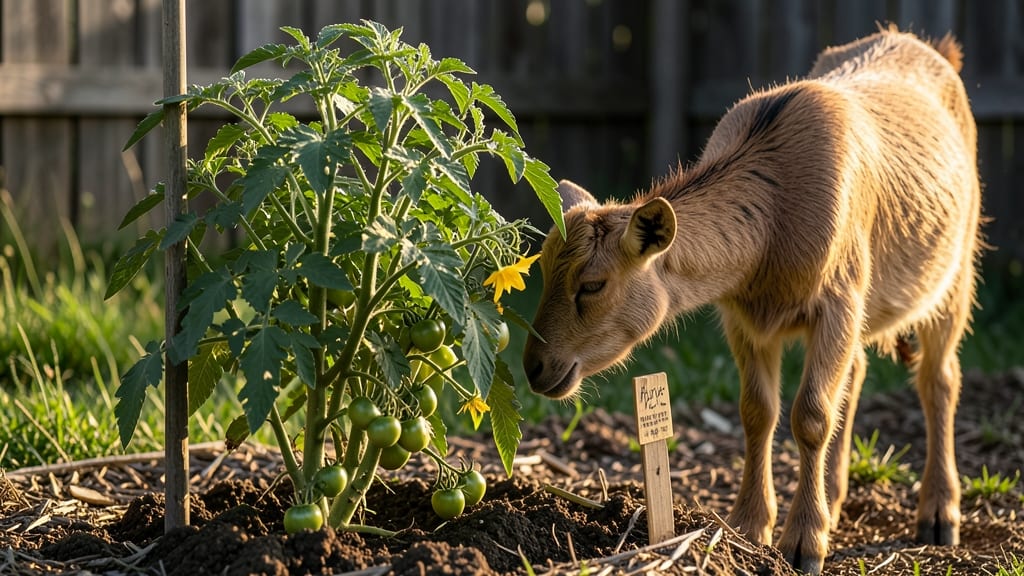
Goats can eat tomato plants in moderation, but only the leaves and stems are safe—ripe tomatoes are non-toxic but may cause mild digestive upset. Avoid green, unripe tomatoes and foliage treated with pesticides, as these can be harmful to goats.
Tomato plants contain solanine, a natural compound that's concentrated in green, unripe fruit and foliage—this is why those parts can upset a goat's stomach or even cause mild toxicity. 🌱 The good news is that ripe tomatoes are generally safe in limited amounts, though they lack the nutritional punch of dedicated goat forage like clover or alfalfa.
I've learned from experience that introducing new plants gradually prevents digestive issues, especially when mixing them with familiar foods.
For gardeners with goats, the key is monitoring what they nibble. While tomatoes themselves aren't toxic, pesticide residues on leaves can be dangerous. Always wash any garden-grown greens before offering them, and stick to organic options when possible. This approach keeps your goats happy while protecting your tomato harvest!
💡 In This Article
- Toxic Components in Tomato Plants for Goats
- Safe Foraging Alternatives for Goats in Gardens
Toxic components in tomato plants for goats
The real danger for goats lies in the solanine and tomatine compounds found in tomato plants, particularly in the green parts. Solanine acts as a natural insect repellent and is most concentrated in unripe green tomatoes and foliage, where levels can reach 0.01-0.05% of the plant's dry weight.
For a 150-pound goat, consuming even small amounts of these green parts could trigger mild symptoms like drooling, diarrhea, or lethargy due to gastrointestinal irritation.
Ripe red tomatoes contain 80-90% less solanine than green ones, making them far safer—though still not ideal as a primary food source.
The key difference is maturity: as tomatoes ripen, their chlorophyll breaks down and solanine levels drop dramatically. 🌿 This chemical shift explains why gardeners often see goats avoid green foliage but happily nibble ripe fruit when available.
However, the tomato's nutritional value pales compared to goat-specific forage like alfalfa, which provides 20% protein versus tomatoes' mere 1-2%**.
Pesticide residues pose another hidden risk. Conventional tomato plants often receive neonicotinoids or pyrethroids to control pests, which can linger on leaves. A single 100g serving of treated foliage might expose a goat to toxic levels of these chemicals, leading to neurological symptoms or long-term liver stress.
Always wash garden-grown greens thoroughly with 1 tablespoon of vinegar per gallon of water before offering them to goats.
Goat digestion is uniquely sensitive to sudden dietary changes. Their four-chambered stomachs rely on consistent microbial populations, which can be disrupted by unfamiliar compounds like solanine.
Introducing tomato plants should always be done gradually—start with 1-2 small leaves per day mixed with familiar hay, then monitor for 24 hours before increasing portions. This slow adaptation prevents the "founder" condition, where gas buildup in their rumen can be fatal.
Even ripe tomatoes aren't without risks. Their high water content (95%) can dilute a goat's digestive enzymes, leading to loose stools if consumed in excess. The acidity from tomatoes (pH 4.0-4.5) also requires careful monitoring, as goats' stomachs maintain a neutral pH of 6.0-7.0.
For comparison, feeding a goat 1 cup of tomato slices daily is roughly equivalent to giving a human 1/4 cup of lemon juice—safe occasionally but not a dietary staple.
One surprising fact is that tomato vines contain higher solanine concentrations than the leaves themselves. The stems and branches can reach 0.06-0.1% solanine, making them particularly dangerous if goats chew on woody growth. Always trim these parts away before offering any tomato plant material to your herd. 🌱