
Plants
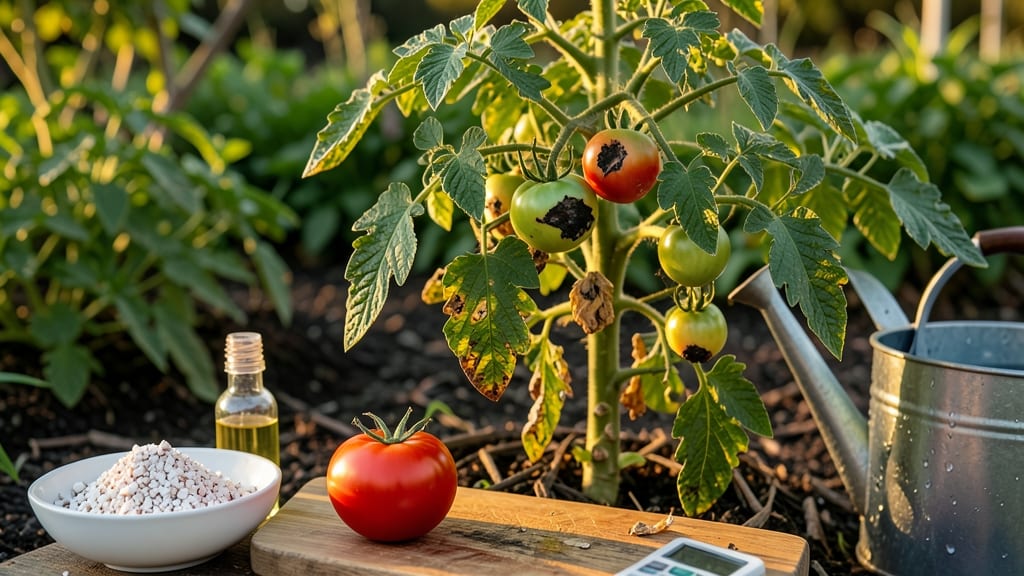
Blossom rot turns your tomato plants into a sad, blackened mess overnight—but calcium can fix it faster than you think. 🌱 I’ve seen entire harvests saved with a simple spray, and the secret isn’t complicated: it’s all about calcium, watering, and timing.
What starts as a wilting flower or a sunken spot on a fruit can spread like wildfire if you ignore it, but with the right moves, you’ll stop it dead in its tracks.
The problem usually boils down to two things: too much water at once or soil that’s starving for calcium. Your plants might look fine above ground, but their roots are screaming for help. Overwatering flushes calcium out, while poor drainage leaves roots gasping.
The good news? You don’t need fancy tools—just a spray bottle, some calcium supplements (like crushed eggshells or garden lime), and a smarter watering routine.
Within 24 hours of treating affected areas, you’ll see new growth pushing through strong and healthy. The key is acting fast: prune the rotten spots, adjust your watering to deep but infrequent, and give your plants a calcium boost.
Your next harvest will be crisp, firm, and free of those ugly black scars—no more wasted effort on blighted fruit.
This works for container gardens, raised beds, or in-ground plots—no matter your setup. The only thing standing between you and perfect tomatoes is knowing how to spot the warning signs early. Let’s turn that rot into a thing of the past.
The hidden triggers behind blossom rot
Blossom rot isn’t just a random tomato plant curse—it’s a calcium deficiency with a few sneaky accomplices. Understanding the root causes (literally!) is your first step toward prevention and recovery.
Let’s break down why your tomatoes develop those unsightly dark, sunken spots and how environmental factors team up to create this problem.
Tomatoes are thirsty plants, but too much or too little water—especially during heatwaves—disrupts calcium uptake. Here’s why:
- Rapid growth during hot days outpaces the plant’s ability to absorb calcium from the soil. Think of it like a teenager growing faster than their shoes—calcium can’t keep up!
- Drought stress causes roots to prioritize water absorption over nutrients, leaving calcium-starved fruits. Even if you water deeply, uneven moisture (like dry topsoil with wet subsoil) creates a "false thirst" in roots.
- Overwatering (especially at night) dilutes calcium in the soil and can lead to anaerobic conditions (low oxygen), where roots struggle to function. Wet feet = nutrient blockage.
Pro tip: 💡 Mulch heavily to keep soil temps stable (ideal: 60–75°F) and water deeply in the morning to mimic natural rainfall patterns.
Calcium isn’t just about how much you add—it’s about availability. Even calcium-rich soil can fail your tomatoes if:
- Soil pH is off: Calcium thrives in slightly acidic to neutral soil (pH 6.0–7.0). If your soil is too acidic (<5.5) or alkaline (>7.5), calcium binds tightly to soil particles and becomes inaccessible. Test your soil!
- Other nutrients outcompete calcium: High levels of potassium or magnesium can "steal" calcium’s spot in the plant’s nutrient transport system.
- Organic matter is lacking: Calcium is stored in decaying plant material. Poor soil structure (like clay-heavy or sandy soil) traps or washes it away.
Pro tip: 🌡️ Add gypsum (calcium sulfate) to sandy soils or lime (calcium carbonate) to acidic soils—both release calcium slowly and improve soil structure.
Weak or injured roots can’t haul calcium from the soil to where it’s needed (the fruit). Common culprits:
- Transplant shock: Seedlings with damaged roots take weeks to recover, leaving early fruits vulnerable.
- Compacted soil: Roots suffocate, reducing their ability to absorb calcium. Walk your garden—if soil feels like concrete, it’s time to aerate.
- Root diseases (e.g., verticillium wilt): Fungal infections block nutrient flow. Look for yellowing leaves or stunted growth before rot appears.
- Over-fertilizing with nitrogen: Lush green leaves but weak roots = calcium gets sidelined for leafy growth.
Pro tip: ✨ Side-dress with compost mid-season to encourage new root growth, or use mycorrhizal fungi (natural root helpers) to boost calcium uptake.
Fertilizer burns or imbalanced nutrition create a perfect storm for blossom rot:
- Too much phosphorus (common in bone meal or synthetic blooming fertilizers) blocks calcium absorption, even if your soil has plenty.
- Late-season nitrogen spikes (like fresh manure) trigger a growth surge that starves developing fruits of calcium.
- Foliar sprays without calcium: While great for quick fixes, they can’t replace the calcium roots need for fruit development.
Pro tip: 🎯 Use a balanced fertilizer (e.g., 5-5-5) and avoid high-phosphorus feeds when flowers appear. For a calcium boost, try calcium nitrate (fast-acting) or egg shells (slow-release).
Now that you know the why, the next step is what to do—and the good news? Many fixes take 24 hours or less to start working. Stay tuned for our emergency rescue plan to save your tomatoes!
How to Fix Blossom Rot Fast
Blossom rot—those ugly, sunken, leathery spots on your tomatoes—can feel like a death sentence for your harvest. But don’t toss your plants just yet! With the right fixes, you can rescue your tomatoes in 24 hours and prevent future outbreaks.
Below, we’ll break down cause-specific solutions, from quick fixes to long-term prevention, so you can enjoy crisp, healthy tomatoes all season.
Cause: Low calcium in soil or uneven watering leads to weak cell walls, causing blossom rot.
How to Fix It: 🍳 Emergency Calcium Spray (Works in 24 Hours)
- Mix 1 tablespoon of calcium chloride or crushed eggshells in 1 gallon of water.
- Spray directly on affected leaves and soil around the plant base.
- Reapply every 3–4 days until new fruit sets.
👨🍳 Soil Amendment (Permanent Fix)
- Add 1–2 cups of crushed eggshells or oyster shell lime per plant and work into the top 2–3 inches of soil.
- For container gardens, mix 1 teaspoon of calcium nitrate into the potting mix.
- Avoid over-fertilizing with nitrogen—it competes with calcium uptake.
✨ Pro Tip: If your tomatoes are already rotten, prune them off to redirect energy to healthy fruit. 🌱
Cause: Inconsistent watering (drought followed by heavy watering) triggers calcium deficiency.
How to Fix It: 🔥 Deep & Consistent Watering (The Golden Rule)
- Water deeply 1–2 times per week (early morning is best) instead of daily shallow watering.
- Use drip irrigation or soaker hoses to keep soil evenly moist (not soggy).
- Mulch with straw or wood chips to retain moisture and prevent swings.
🌡️ Avoid Overhead Watering
- Wet leaves encourage fungal diseases (like early blight), which worsen blossom rot.
- If you must water from above, do it in the morning so leaves dry quickly.
🎯 Pro Tip: Check soil moisture with your finger—top 1–2 inches should stay damp, not drenched. 💦
Cause: Poor soil structure, high salt content, or imbalanced fertilizers lock out calcium.
How to Fix It: 🔪 Test & Improve Your Soil
- Get a simple soil test kit (or send a sample to a local extension office).
- If your soil is too acidic (pH < 6.0), add lime to raise pH to 6.2–6.8.
- If compacted, amend with compost or coconut coir to improve drainage.
📊 Use the Right Fertilizer
- Switch to a balanced fertilizer (like 5-5-5 or 10-10-10) or a calcium-specific one (e.g., calcium nitrate).
- Avoid high-nitrogen fertilizers (like blood meal) early in the season—they starve calcium uptake.
- Side-dress plants with kelp meal or bone meal for a slow-release calcium boost.
💡 Pro Tip: Epsom salt (magnesium sulfate) can help, but only if magnesium is deficient—test first! 🧪
Cause: Repeatedly growing tomatoes in the same spot exhausts calcium and invites disease.
How to Fix It: ⏰ Rotate Your Crops
- Never plant tomatoes, peppers, or eggplants in the same spot two years in a row.
- Best rotation partners: Beans, peas, lettuce, or herbs (they add nitrogen and improve soil).
🌿 Strengthen Your Plants
- Prune suckers to improve airflow (reduces fungal pressure).
- Remove infected fruit immediately to stop the spread.
- Interplant with basil or marigolds—they repel pests and improve tomato health.
🔥 Pro Tip: Companion planting with onions or garlic deters pests that stress plants, indirectly preventing blossom rot. 🧅
If most of your tomatoes are already rotten, don’t panic—focus on saving next season’s yield:
- Harvest any salvageable (firm, unrotted) tomatoes and use them in sauces or salsas.
- Prune all rotten fruit and spray with a calcium solution (as above).
- Adjust watering and fertilizing immediately to prevent new rot.
- Consider a late-season calcium drench to boost next year’s plants.
Final Reminder: Blossom rot is 100% preventable with consistent calcium, smart watering, and healthy soil. Once you fix the root cause, your tomatoes will thrive—and you’ll never fear rot again! 🍅✨
Frequently asked questions
Can I still eat tomatoes with blossom rot?
Only the firm, unrotted parts are safe to eat! Cut out the blackened areas and use the healthy portions for sauces or cooking. Never eat tomatoes with soft, sunken spots—they can harbor bacteria and mold. For salads, stick to completely healthy fruit.
How quickly will my plants recover after treatment?
With proper calcium treatment and water adjustments, you’ll see new healthy growth within 3–5 days. Existing rot won’t disappear, but new fruit should set strong and firm within 24–48 hours of fixing calcium levels. Consistency is key—keep up with treatments for 2–3 weeks for best results.
Will crushed eggshells really work for calcium?
Eggshells are 25% calcium carbonate, making them a perfect natural source. Crush them into a fine powder, bake at 200°F for 10 minutes to kill bacteria, then mix into soil or water. For faster results, use 1 tablespoon per gallon of water as a foliar spray. It’s free, organic, and works just as well as store-bought calcium supplements!
Can I use coffee grounds to prevent blossom rot?
Coffee grounds can help indirectly by improving soil structure and providing trace minerals, but they’re not a calcium source. For best results, combine them with crushed eggshells or lime to boost calcium levels. Use 1 cup of grounds per plant every 2–3 weeks—just avoid overdoing it, as too much acidity can worsen calcium uptake.
Why does blossom rot happen more in containers than in-ground?
Container plants dry out faster and have limited root space, making calcium absorption harder. Potting mixes often lack organic matter, and roots can’t spread to seek nutrients. To fix it, use well-draining soil with compost, water more consistently, and add 1 teaspoon of calcium nitrate per gallon of soil at planting time.