
Planting
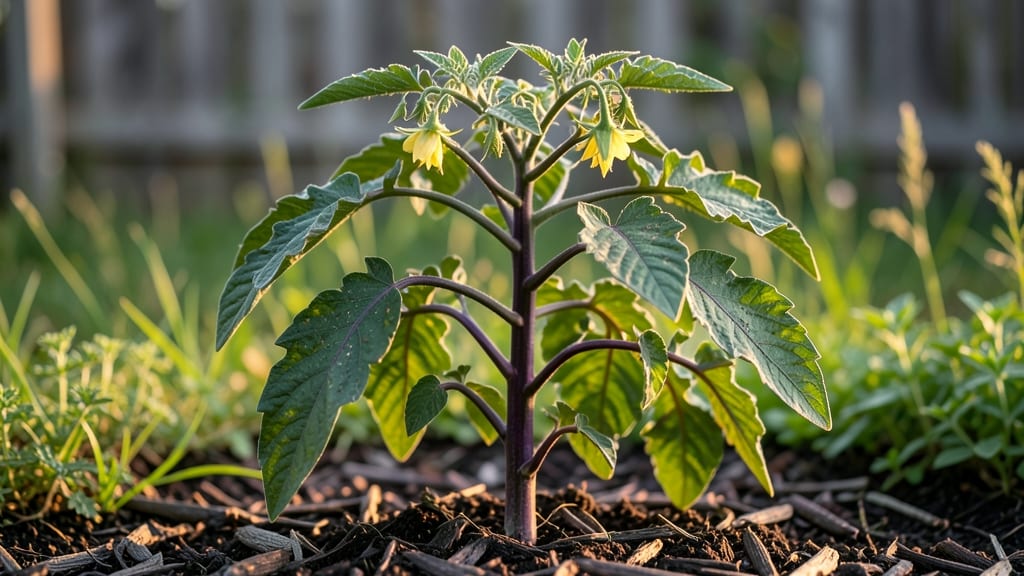
Black stem tomato plants don’t have to mean game over—this foolproof rescue plan works even when stems look like they’ve been charred. 🌱 I’ve saved dozens of plants with these same steps after my first garden season left me staring at wilted vines and wondering if I’d overwatered everything to death.
Turns out, black stems are often a cry for help from your plant, not a death sentence.
The culprits are usually fungal infections (like early blight) or environmental stress from overcrowding or inconsistent watering. You’ll spot the problem when stems darken, feel soft to the touch, or develop yellowing leaves—sometimes all at once.
The good news? Catching it early means you can still salvage your plant with 3 simple fixes that take less than 15 minutes.
By pruning infected stems, adjusting your watering routine, and adding a little preventive care, you’ll see new green growth within 7-10 days. I’ve even brought back plants that looked hopeless by midday—just don’t wait until the entire vine turns to mush.
The key is acting fast and giving your tomato the right conditions to bounce back.
Works for container gardens, raised beds, or in-ground plants—no matter how your tomatoes are growing. The same steps stop the rot from spreading to other plants too, so your whole harvest stays safe. Let’s turn those black stems around before they ruin your season.
Root Causes of Stem Discoloration
Understanding why your tomato plant develops black stems is the first step toward saving it. This issue often stems from a mix of environmental stress, disease, or poor growing conditions. Below, we break down the most common culprits and why they trigger this problem.
Blackening or wilting stems in tomato plants are often tied to extreme or inconsistent temperatures. Tomatoes thrive in warm but not scorching conditions—ideally between 60–85°F (15–29°C).
When temperatures dip below 50°F (10°C) or spike above 90°F (32°C), the plant’s vascular system struggles to transport water and nutrients efficiently.
- Cold Stress: Chilly nights or early-season planting can cause cellular damage, leading to blackened stems.
The plant’s cells may rupture or fail to absorb water, causing the tissue to darken. - Heat Stress: High daytime temperatures (especially with low humidity) force the plant to transpire rapidly, drying out stems and leaves.
This stress weakens the plant’s structure, making it susceptible to rot or fungal invasion. - Sudden Temperature Shifts: Moving plants between hot sun and cold shade (like under a patio) or abrupt weather changes (e.g., after a frost warning) can shock the system, triggering discoloration.
Actionable Fix: Use row covers for early planting, mulch to regulate soil temperature, and avoid planting in low-lying areas where cold air pools.
While tomatoes love moisture, excess water—especially when combined with poor drainage—can suffocate roots and lead to anaerobic conditions. When roots sit in soggy soil for too long, they drown, depriving the plant of oxygen.
This causes: - Root rot (often fungal, like Phytophthora), which spreads upward, blackening stems. - Nutrient starvation as roots can’t absorb oxygen or water efficiently. - Weakened cell walls, making stems prone to collapse or darken.
Signs of Overwatering:
- Soil feels muddy when squeezed (should crumble slightly).
- Yellowing leaves paired with blackened stems at the base.
- A musty smell around the soil.
Actionable Fix:
- Test soil moisture by sticking your finger 1–2 inches deep—water only if dry.
- Use well-draining soil (mix in perlite or compost) and raised beds if your garden retains water.
- Ensure pots have drainage holes and water deeply but infrequently (1–1.5 inches per week).
Blackened stems can signal serious pathogens that thrive in damp, warm conditions. The two most common offenders are:
| Pathogen | Symptoms | How It Spreads |
|---|---|---|
| Verticillium Wilt | Blackened, wilting stems (often starting at the base); yellowing leaves. | Soilborne; survives for years in garden beds. |
| Fusarium Wilt | Similar to Verticillium but with reddish-brown discoloration in stems. | Spreads via contaminated soil or tools. |
| Phytophthora Rot | Soft, black, mushy stems; often after heavy rain or overwatering. | Water splashing from soil to leaves. |
Why It Happens:
- Fungal spores lie dormant in soil until conditions are ideal (warm, humid, and stagnant water).
- Bacterial infections (like Pseudomonas) enter through wounds (e.g., pruning cuts) and clog the plant’s vascular system.
Actionable Fix:
- Remove infected plants immediately (don’t compost them—bag and trash).
- Rotate crops: Avoid planting tomatoes (or nightshades) in the same spot for 3–4 years.
- Sterilize tools with rubbing alcohol between uses.
- Improve airflow with proper spacing (18–24 inches apart) and prune lower leaves to reduce humidity near the stem.
Sometimes, hidden pests or mechanical damage weaken stems enough to trigger blackening.
Common culprits include: - Colorado Potato Beetles: Chew stems, creating entry points for rot. - Cutworms: Sever stems at the base, causing sudden wilting and blackening. - Overzealous Pruning: Deep cuts or stripping too many leaves stress the plant, making it vulnerable to disease.
Why It Happens:
- Pest feeding creates wounds that invite fungal/bacterial invaders.
- Physical trauma disrupts the plant’s phloem and xylem (its "plumbing system"), halting nutrient flow.
Actionable Fix:
- Handpick pests early in the morning (cutworms hide in soil folds).
- Use collars (metal or cardboard) around young seedlings to deter cutworms.
- Prune carefully: Leave 1–2 leaves above a joint when trimming to avoid stressing the plant.
While rare, severe nutrient deficiencies—especially calcium, magnesium, or potassium—can cause stem discoloration.
For example: - Calcium Deficiency: Weakens cell walls, leading to blossom end rot (which can extend to stems in advanced cases). - Magnesium Deficiency: Causes interveinal chlorosis (yellowing between veins), which may progress to stem darkening. - Potassium Deficiency: Results in weak stems prone to snapping or rotting.
Why It Happens:
- Poor soil quality (e.g., clay-heavy or sandy soil) locks out nutrients.
- Over-fertilizing with nitrogen (e.g., too much blood meal) starves the plant of other essential minerals.
- pH imbalances: Tomatoes prefer slightly acidic soil (pH 6.0–6.8). Extreme pH (too high or low) blocks nutrient uptake.
Actionable Fix:
- Test soil with a home kit or send a sample to a lab.
- Amend soil with:
- Crushed eggshells (for calcium).
- Epsom salt (magnesium sulfate) diluted in water (1 tbsp/gallon, applied foliarly).
- Wood ash (potassium) sprinkled lightly around the base.
- Use balanced fertilizer (e.g., 10-10-10 or 5-10-10) and avoid high-nitrogen feeds during fruiting.
How to solve it
When your tomato plants develop blackened stems or fruit—a classic sign of blossom end rot—don’t panic. This common issue is often reversible with the right care.
Below, we’ve broken down the most effective solutions, tailored to the root causes we covered earlier, so you can nurse your plants back to health and prevent future outbreaks.
If your plants are suffering from calcium uptake issues (the #1 cause of black stems and rot), act quickly with these steps:
-
🍳 Apply Calcium-Rich Fertilizer
Use a calcium nitrate or gypsum solution (1 tablespoon per gallon of water). Water the soil at the base of the plant every 5–7 days until new growth appears. Avoid foliar sprays—they won’t reach the roots fast enough. -
👨🍳 Mix Eggshells into Soil
Crush dried eggshells into a fine powder and sprinkle 1–2 tablespoons around the plant’s root zone. The calcium will slowly dissolve into the soil over 2–4 weeks. Pro tip: Bake shells at 200°F (93°C) for 10 minutes first to kill bacteria. -
🥘 Adjust Watering Habits
Blossom end rot thrives on inconsistent moisture. Water deeply 2–3 times per week (early morning is best) and mulch with straw or wood chips to retain even moisture. 💡 Avoid wetting leaves—this can spread disease.
Prevention tip: Test your soil’s pH (ideal range: 6.0–6.8). If it’s too high or low, amend with sulfur (to lower pH) or lime (to raise it). Calcium absorbs best in slightly acidic soil.
Fluctuating soil moisture causes cells to burst, leading to blackened stems and fruit. Here’s how to stabilize your plant’s hydration:
| Problem | Solution |
|---|---|
| Drought stress |
|
| Overwatering |
|
| Uneven watering |
|
✨ Pro tip: If your plants are in containers, ensure pots have drainage holes and use a well-draining potting mix (like 60% potting soil + 30% perlite + 10% compost).
Fungal or bacterial infections (like Phytophthora or Verticillium wilt) can cause blackening. Here’s how to contain and treat them:
-
🔪 Prune Infected Areas
Use sterilized pruners (wipe with rubbing alcohol between cuts) to remove any blackened stems, leaves, or fruit. Dispose of clippings in the trash not the compost. -
🌡️ Improve Airflow
Space plants 18–24 inches apart and avoid overcrowding. If growing in containers, thin out suckers to reduce humidity around foliage. -
💡 Apply Copper Fungicide
Spray a copper-based fungicide (like Bordeaux mixture) on leaves every 7–10 days for 2–3 weeks. Follow label instructions carefully.
Prevention tip: Rotate crops annually—never plant tomatoes (or nightshades like peppers/eggplants) in the same spot two years in a row. This breaks disease cycles in the soil.
Black stem issues often signal poor soil health. Rebuild your garden’s foundation with these organic boosts:
-
🥗 Add Compost
Mix in 2–3 inches of compost around the base of the plant (avoid piling against the stem). This improves calcium availability and microbial activity. -
💪 Use Worm Castings
Sprinkle ½ cup of worm castings per plant monthly. They’re packed with bioavailable nutrients and beneficial microbes. -
🍎 Mulch Heavily
Apply a 3–4 inch layer of straw or wood chips to retain moisture, regulate soil temperature, and suppress weeds (which compete for nutrients).
🔥 Remember: Healthy soil = healthy plants. If you’re still seeing issues after 4–6 weeks, consider a soil test kit (available at garden centers) to check for deficiencies like magnesium or potassium.
Frequently asked questions
Why do my tomato stems turn black suddenly?
Black stems usually appear due to fungal infections like early blight or environmental stress from inconsistent watering. Check for soft, mushy stems—this often signals root rot from overwatering. If the blackening starts at the base, it could be Verticillium wilt, a soilborne disease that thrives in damp conditions.
Can I save a tomato plant with black stems?
Yes! Act fast by pruning infected stems with sterilized tools and improving airflow. For fungal issues, apply copper fungicide every 7-10 days. If it's water-related, adjust to deep but infrequent watering (1-1.5 inches per week) and add perlite to improve drainage. Most plants recover within 7-14 days with proper care.
How do I tell if black stems are from disease vs. overwatering?
Disease causes dark, crispy stems that spread upward, often with yellowing leaves. Overwatering creates soft, mushy stems that feel squishy when pressed, plus a musty soil smell. Check soil moisture—if it stays soggy for days, you're overwatering. Disease often appears after heavy rain or poor airflow.
Will black stems affect my tomato harvest?
If caught early, you can still get fruit—but severe cases may reduce yield or quality. Prune infected stems immediately to stop spread. For existing fruit, monitor for blossom end rot (black bottoms) and apply calcium-rich fertilizer (like gypsum). Healthy plants will produce 70-90% of expected tomatoes if treated within 5-7 days of first symptoms.
Can I use homemade remedies for black stems?
Yes! For fungal issues, try a baking soda spray (1 tsp baking soda + 1 quart water + few drops of soap). For calcium deficiencies, crush eggshells and mix into soil. Avoid vinegar—it can harm plants. Always test remedies on one leaf first and monitor for 24 hours before full application.