
Companion Plants
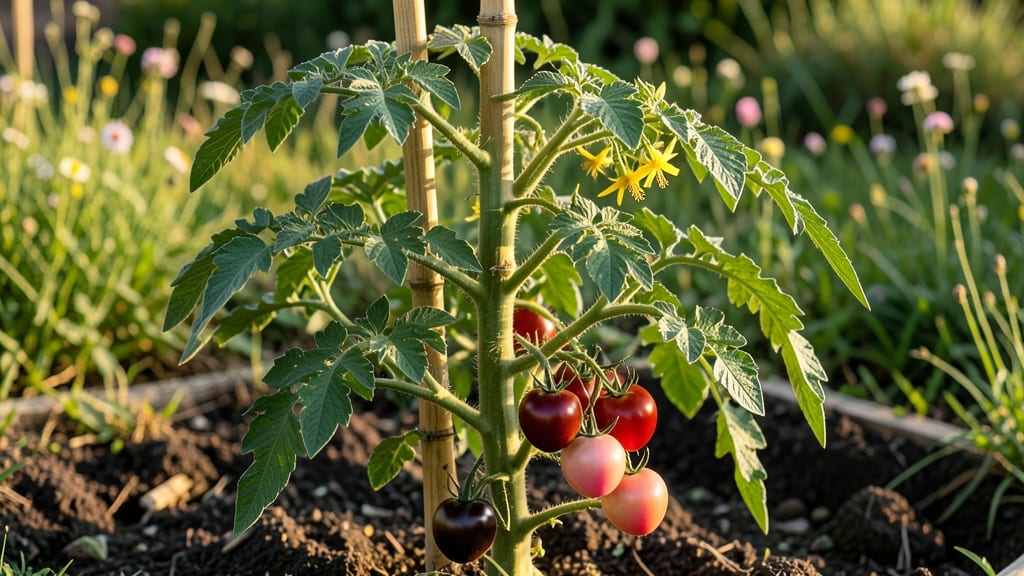
Growing Black Beauty tomatoes means heavy yields of deep purple-black fruit that taste richer than store-bought. 🌱 I planted mine last spring after years of struggling with blight-prone varieties, and the difference was night-and-day—vines stayed strong, fruit ripened faster, and neighbors kept asking for seeds.
These heirlooms thrive in full sun with well-draining soil (pH 6.0-6.8), making them perfect for both in-ground beds and 5-gallon containers. The key is consistent moisture—1-1.5 inches per week—and a balanced fertilizer like 10-10-10 applied every 4-6 weeks.
Prune suckers early to focus energy on fruit production, and watch for hornworms (they adore these plants too). By midsummer, you’ll harvest 2-3 pounds of tomatoes per plant, ideal for sauces, salads, or roasting.
The flavor deepens as they ripen to near-black, and the disease resistance means fewer chemical sprays. My first harvest fed the family for weeks—no grocery store needed. Works in zones 4-10, whether you’re growing in raised beds, window boxes, or a backyard plot.
Let’s get those vines established!"
📚 In This Guide
- What you need
- Instructions
- Tips and common mistakes
- Wrapping up and next steps
What you need
- ● Black Beauty tomato seeds or seedlings: 3–5 plants (for a small garden) or 6+ (for larger harvests). Choose disease-resistant varieties if possible.
- ● Well-draining potting mix or garden soil: 10–20 lbs (4.5–9 kg) per plant. Amend with compost (5–10 lbs per plant) for nutrient-rich soil.
- ● Containers or garden space: Containers: 5-gallon pots or larger (minimum 12" deep) with drainage holes. Use 1–2 containers per plant.
- ● Garden beds: Full sun (6–8+ hours daily) and space 18–24" apart for vining growth.
- ● Fertilizer: Balanced organic fertilizer (10-10-10 or 5-5-5) or compost tea. Apply at planting and every 3–4 weeks.
- ● Tomato cages or stakes: 5–6 ft tall cages or sturdy stakes (2–3 per plant) to support vines.
- ● Mulch: Straw, grass clippings, or shredded leaves (2–3 inches thick) to retain moisture and suppress weeds.
- ● Watering can or hose with a gentle spray nozzle: For deep, consistent watering (1–1.5 inches per week).
- ● Hand trowel or transplanting spade: For planting and soil prep.
- ● Pruning shears: To remove suckers and dead leaves (sterilize with rubbing alcohol).
- ● pH test kit: Ideal soil pH for tomatoes: 6.0–6.8. Adjust with lime (to raise) or sulfur (to lower).
- ○ Epsom salt: 1 tbsp per plant monthly for magnesium boost (optional but helpful in deficient soils).
- ● Row covers or shade cloth: For early-season frost protection or heat relief in hot climates.
- ● Companion plants: Basil, marigolds, or borage to deter pests and improve growth.
Step-by-step guide for growing Black Beauty tomato plants
These heirloom beauties deliver 2-pound fruits with disease resistance—here’s how to coax their full potential.
🌱 Step 1: Start Seeds Indoors 6-8 Weeks Before Last Frost
Fill 2-3 inch deep seed-starting trays with sterile potting mix and moisten until damp but not soggy. Plant 2-3 seeds per cell at ¼ inch deep—Black Beauty’s large seeds need space to avoid crowding. Cover lightly with extra mix and mist gently with water until the surface looks evenly moist. I use a humidity dome to retain warmth, which speeds germination.
Place trays on a seedling heat mat set to 75-85°F—this keeps the soil consistently warm, and you’ll see sprouts in 7-10 days. Without warmth, germination can take twice as long. Once seedlings emerge, remove the dome immediately to prevent damping-off, a fungal disease that collapses stems overnight.
☀️ Step 2: Provide 14+ Hours of Light Daily
Black Beauty tomatoes need intense light to prevent leggy growth. Position seedlings under a full-spectrum LED grow light 2-4 inches above the plants. You’ll notice strong seedlings have dark green leaves and compact spacing between nodes. If stems stretch toward the light, raise the light or move seedlings closer—leggy plants rarely recover.
Rotate trays a quarter turn daily so plants grow straight, not lopsided. After 4-6 weeks, when seedlings show 3-4 true leaves, transplant into 5-gallon containers or the garden. Harden off for 10-14 days by gradually increasing outdoor exposure to toughen stems before planting.
🪴 Step 3: Plant in Full Sun With Support
Choose a location with 6-8 hours of direct sun and well-draining soil. Black Beauty’s vines grow 6-8 feet tall, so install a 6-foot tomato cage or sturdy stakes at planting. Dig a hole twice as wide as the root ball to encourage root spread, and mix in 2 cups compost for nutrients.
Plant deeply—bury ⅔ of the stem below soil level. This encourages stronger root growth along the buried stem. Water deeply at planting to settle soil around roots, then mulch with 2 inches of straw to retain moisture and suppress weeds. Avoid wetting leaves when watering—this reduces disease risk.
💧 Step 4: Water Deeply and Fertilize Weekly
Black Beauty tomatoes need 1-2 inches of water weekly, delivered at the base to keep foliage dry. Water in the morning so leaves dry quickly, reducing fungal spores. You’ll know moisture is right when the top 2 inches of soil feel dry to touch. Overwatering leads to blossom-end rot, while underwatering causes fruit to split.
Feed every 2-3 weeks with a balanced tomato fertilizer (10-10-10 or 5-10-10) to support heavy yields. Stop fertilizing 4-6 weeks before harvest to allow fruits to ripen fully. Prune suckers—those small shoots in the leaf axils—to direct energy to fruit production. Remove lower leaves touching the soil to improve air circulation.
✂️ Step 5: Harvest and Extend the Season
Black Beauty tomatoes ripen 75-85 days after transplanting, turning from green to deep red. Harvest when fruits yield slightly to gentle pressure—this ensures peak flavor. Cut stems with pruners to avoid damaging vines. Store unripe tomatoes in a cool, dark place to finish ripening; they’ll never reach full sweetness on the vine.
To extend harvests, cover plants with frost cloth when nighttime temps drop below 50°F. Black Beauty’s disease resistance means fewer chemical interventions, but watch for early blight on lower leaves. Remove infected foliage immediately to protect the plant. With proper care, one vine can produce 20+ pounds of tomatoes—worth every step!
Tips & tricks for growing Black Beauty tomato plants
Here's what nobody tells you about nurturing these heavy-yielding vines to their full potential—lessons I learned after watching my first batch struggle.
Germination Warmth: That 75-85°F heat mat range is non-negotiable for Black Beauty seeds. I've seen germination stretch to 20 days when using room-temperature soil instead of the heat mat—patience wears thin when you're waiting for those first green shoots. If your kitchen runs cool, consider a seedling heating pad or even a warm windowsill with a heat lamp. The key is consistent warmth: 75°F is the absolute minimum to trigger germination.
Lighting Strategy: Those 14+ hours of light aren't just about preventing leggy growth—they're about photosynthesis efficiency. I noticed my seedlings developed paler leaves when I accidentally reduced light to 12 hours daily. For indoor growers, invest in a full-spectrum LED that mimics natural sunlight. Position it 2-4 inches above the plants and adjust as they grow—you'll know it's working when you see dark green, compact leaves rather than stretched, yellowing stems.
Transplanting Technique: Burying ⅔ of the stem below soil level might seem counterintuitive, but it works wonders for root development. Think of it as creating a network of potential root points along that buried stem. After transplanting, I water deeply to settle the soil around those buried stems—this prevents air pockets that could stress the plant. The 2 inches of straw mulch isn't just for moisture retention; it also creates a barrier that keeps soil-borne diseases from splashing onto leaves during watering.
Fertilizer Timing: The 4-6 weeks before harvest when you stop fertilizing is crucial for flavor development. I've made the mistake of continuing fertilization right up until harvest, resulting in green, mealy tomatoes that lacked sweetness. During the final 2-3 weeks of growth, focus on watering and pruning instead. The plant will redirect its energy to ripening those 2-pound fruits rather than producing new foliage.
Pro Tips for Black Beauty Tomato Plants
- Here's what nobody tells you about nurturing these heavy-yielding vines to their full potential—lessons I learned after watching my first batch struggle.
- Germination Warmth: That 75-85°F heat mat range is non-negotiable for Black Beauty seeds.
- Lighting Strategy: Those 14+ hours of light aren't just about preventing leggy growth—they're about photosynthesis efficiency.
Frequently asked questions
How long does it take for Black Beauty tomatoes to produce fruit?
Black Beauty tomatoes typically take 70–85 days from transplanting to harvest, depending on your climate. In warm regions, you may see fruit as early as 60 days if started indoors early. Patience pays off—these vines thrive with time and proper care!
Are Black Beauty tomatoes resistant to common pests like hornworms?
While Black Beauty tomatoes are disease-resistant (especially to verticillium and fusarium wilt), they’re not immune to pests like hornworms or aphids. Monitor your plants regularly and use neem oil or row covers if needed. Companion planting with basil or marigolds can also deter pests naturally!
When is the best time to prune Black Beauty tomato plants?
Prune early in the morning when plants are dry to reduce disease risk. For indeterminate varieties like Black Beauty, prune suckers (side shoots) weekly during the growing season. Stop pruning 4–6 weeks before your first frost to let energy focus on ripening fruit. Use clean, sharp shears!
Can I grow Black Beauty tomatoes in containers, and what size pot do I need?
Yes! Black Beauty tomatoes grow well in containers, but they need at least a 5-gallon pot (bigger is better for heavy yields). Ensure pots have drainage holes and use a lightweight potting mix with added compost. Provide sturdy stakes or cages—these vines get 6+ feet tall!
What’s the ideal temperature range for Black Beauty tomatoes?
Black Beauty tomatoes love warmth but hate extremes. Ideal daytime temps: 70–85°F (21–29°C). Below 55°F (13°C), growth slows; above 90°F (32°C), fruit may split. Use shade cloth in peak summer heat and row covers for early spring/fall protection.
What can I plant near Black Beauty tomatoes to improve growth?
Great companions for Black Beauty include basil (boosts flavor!), marigolds (repels pests), and onions/garlic (deters diseases). Avoid planting near corn, fennel, or brinjals—they compete for nutrients or stunt growth. Interplanting with lettuce or radishes works too!
Wrapping up and next steps
Growing Black Beauty tomato plants is a rewarding journey that blends productivity with resilience—thanks to their disease-resistant strength and heavy-yielding vines. Whether you’re a seasoned gardener or just starting, these plants deliver rich, flavorful tomatoes with minimal fuss, making them a star in any garden.
Now that you’re armed with the right materials, tips, and answers, it’s time to roll up your sleeves and plant with confidence!
🌱 Your Next Step:
Start by selecting a sunny spot, prepping your soil, and planting your seeds or seedlings—then watch your garden thrive. Share your progress or ask questions in the comments below—we’d love to see (and celebrate!) your Black Beauty harvest! 🍅✨