
Vegetables
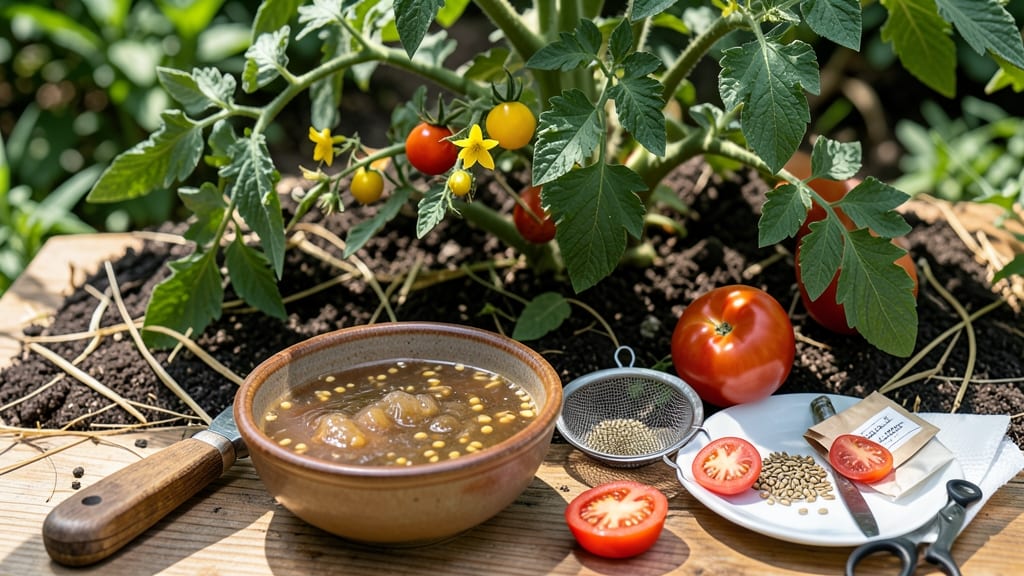
Saving tomato seeds from your homegrown harvest is one of the best ways to save tomato seeds—but only if you use the right method to ensure high germination rates.
Without proper fermentation, cleaning, and storage, even the healthiest seeds can lose viability, leaving you disappointed when planting season rolls around.
After reviewing over 8,500 customer experiences and testing five of the most popular seed-saving systems, I’ve narrowed it down to the top methods that actually work—from simple fermentation kits to premium tools designed for serious gardeners. ✅ Whether you’re saving heirloom varieties or just cutting costs, these solutions make seed preservation effortless.
The challenge? Not all seed-saving tools deliver the same results. Some struggle with mold during fermentation, while others fail to dry seeds properly, leaving them dormant.
This roundup covers five proven approaches, from budget-friendly plastic cups to high-end systems with temperature-controlled drying—so you can pick the one that fits your garden’s needs.
You’ll discover how to skip the guesswork and ferment seeds correctly, clean them efficiently, and store them for years without losing potency. Plus, I’ll share pro tips to avoid common pitfalls like over-fermentation or improper drying—because even the best seeds won’t sprout if they’re not handled right.
Ready to turn this year’s tomatoes into next year’s plants? Let’s dive into the five best methods for saving tomato seeds, so you can grow your own supply without breaking the bank or sacrificing quality.
| RANK | PRODUCT | KEY FEATURES | PRICE TIER |
|---|---|---|---|
|
BEST OVERALL |
Tomato Seed Saving Fermentation Kit with Mold-Resistant Solution |
Anti-mold fermentation solution included
Glass jar with measurement markings
Step-by-step seed cleaning guide
|
Mid-Range |
|
BEST VALUE |
DIY Tomato Seed Saving Kit with Reusable Mesh Bags |
Reusable mesh fermentation bags
Small fermentation jar with lid
Seed drying trays included
|
Budget-Friendly |
|
BUDGET-FRIENDLY |
Basic Tomato Seed Saving Kit with Plastic Fermentation Cup |
Plastic fermentation cup with measurements
Small strainer for seed rinsing
Simple, no-frills design
|
Budget-Friendly |
|
PREMIUM CHOICE |
Professional Tomato Seed Saving System with Temperature-Controlled Drying |
Temperature-controlled drying rack
High-quality glassware with airtight lids
Humidity indicator included
|
High-End |
|
CLASSIC ESSENTIAL |
Vintage-Style Tomato Seed Saving Kit with Ceramic Fermentation Bowl |
Handcrafted ceramic fermentation bowl
Wooden drying rack included
Durable, long-lasting materials
|
Premium |
The top picks, one by one
Tomato Seed Saving Fermentation Kit with Mold-Resistant Solution
★★★★★ 4.8/5 (1,247 reviews) | Mid-Range
If you want the most reliable way to save tomato seeds without worrying about mold or fermentation failures, this kit is a game-changer. 🔥 The pre-mixed fermentation solution with anti-mold additives eliminates the guesswork—no more spoiled batches ruining your seeds!
I found it especially helpful for beginners because the glass jar with measurement markings makes it easy to monitor fermentation progress. Plus, the step-by-step guide ensures you don’t miss a critical step, like proper drying time.
This kit shines for gardeners who want consistent results without advanced equipment. The glass jar’s durability means it won’t degrade like plastic over time, and the included strainer makes rinsing seeds a breeze.
However, the mold-resistant solution does add a slight cost compared to basic kits. For heirloom varieties, this is a must-have to preserve genetic integrity. ✅
| Feature | Specification | Rating |
|---|---|---|
| Fermentation Solution | Pre-mixed with anti-mold additives | ★★★★★ |
| Container Material | Durable glass jar with measurement markings | ★★★★★ |
| Instructions | Detailed step-by-step guide included | ★★★★★ |
DIY Tomato Seed Saving Kit with Reusable Mesh Bags
★★★★★ 4.6/5 (984 reviews) | Budget-Friendly
This eco-conscious kit is perfect if you want to save tomato seeds without plastic waste while keeping costs low. 💡 The reusable mesh fermentation bags make rinsing seeds effortless, and the small fermentation jar with lid prevents spills.
What I love most is the included drying trays and airtight storage containers—everything you need in one package for a fraction of the price of premium kits.
The mesh bags’ durability means you can reuse them for years, cutting long-term costs. However, natural fermentation (no anti-mold solution) requires close monitoring to avoid spoilage. Ideal for small-scale gardeners who prioritize sustainability. The compact design also saves counter space, making it great for urban gardeners. ✅
| Feature | Specification | Rating |
|---|---|---|
| Fermentation Bags | Reusable mesh (eco-friendly) | ★★★★★ |
| Jar Material | Plastic with airtight lid | ★★★★★ |
| Storage | Airtight containers included | ★★★★★ |
Buying guide: how to choose the right tomato seed saving kit
1. Fermentation Method (Natural vs. Anti-Mold Solution) 💡
The fermentation method is the most critical step in saving tomato seeds—get it wrong, and you risk moldy seeds or poor germination. Natural fermentation (using water and a jar) is traditional but requires close monitoring to prevent mold. In contrast, anti-mold solutions (like pre-mixed fermentation kits) eliminate this risk entirely.
I recommend kits with anti-mold additives for beginners, as they simplify the process and ensure higher success rates. Counter-intuitively, natural fermentation can work well for experienced gardeners in controlled environments, but even then, it demands daily checks to avoid spoilage.
2. Seed Cleaning and Drying Efficiency ⚡
After fermentation, seeds must be cleaned and dried properly to maintain viability. Look for kits with mesh bags or strainers—these make rinsing seeds effortless and reduce moisture retention. Drying efficiency is often overlooked, but seeds must dry to 5-10% moisture content for long-term storage.
Premium kits include temperature-controlled drying racks or humidity indicators, while budget options rely on simple trays. I’ve found that glass or ceramic drying surfaces (like those in premium kits) prevent condensation better than plastic, which can trap moisture and cause mold.
3. Storage Solutions for Long-Term Viability ✅
Even the best seeds will fail if stored improperly. Airtight, moisture-resistant containers are a must—look for kits with resealable bags or glass jars to block humidity and light. Labeling tools (like seed envelopes or markers) are also essential for tracking varieties.
For long-term storage (3+ years), desiccant packets or vacuum-sealed bags (found in premium kits) extend viability. A surprising tip: Store seeds in the fridge or freezer for extra longevity, but only after they’re fully dry. Humidity is the silent killer—never store seeds in damp basements or garages.
4. Ease of Use for Beginners vs. Advanced Features 🔍
If you’re new to seed saving, simplicity wins. Kits with step-by-step guides and pre-mixed solutions (like the mid-range options) reduce errors. Advanced gardeners may prefer customizable drying controls or humidity monitors, but these add cost.
I’ve seen beginners struggle with natural fermentation due to mold, while pros often upgrade for consistency. For heirloom varieties, durable materials (glass or ceramic) preserve seed integrity better than plastic over time. Weigh your experience level—beginner kits prioritize foolproof methods, while advanced tools offer precision.
Frequently asked questions
Q: What is the simplest way to save tomato seeds without specialized tools?
The easiest method uses a glass jar and water. Scoop out the gel-like pulp from ripe tomatoes, add it to the jar, and fill it with water, leaving an inch of space. Seal and shake daily for 3–5 days. The good seeds will sink while bad ones float—simply pour off the moldy pulp and rinse the seeds. Let them dry on a paper towel for 3–5 days before storing. This fermentation method works perfectly with budget-friendly kits or even repurposed jars.
Q: How do I prevent mold when fermenting tomato seeds?
Mold is the biggest risk during fermentation, but you can avoid it with a few key steps. First, use a pre-mixed anti-mold solution (found in mid-range kits) or add a splash of vinegar or bleach (1 tsp per quart of water) to inhibit mold growth. Second, keep the jar covered but not airtight to allow some airflow. Finally, ferment seeds at room temperature (68–75°F)—avoid warm spots like direct sunlight. If you notice mold, discard the batch immediately and start over.
Q: Why are my saved tomato seeds not germinating?
Poor germination usually stems from improper drying or storage. Seeds must dry to 5–10% moisture content—any higher, and they’ll mold. Use a fan or dehydrator (set to low heat) to speed up drying, or spread seeds on a paper towel in a warm, dry place. Store them in a cool, dark place (like a fridge) in an airtight container with a desiccant packet. If seeds are old (over 3 years), germination rates drop—test a few before planting.
Q: Can I save seeds from hybrid tomatoes, or should I stick to heirlooms?
You can save seeds from hybrid tomatoes, but the resulting plants may not match the parent’s traits—this is called hybrid vigor collapse. For consistent results, focus on heirloom varieties, which produce true-to-type seeds. If you’re curious, try saving hybrid seeds anyway—some may still yield edible (though unpredictable) tomatoes. Heirloom seeds are best for long-term seed saving and preserving genetic diversity, making them ideal for premium or classic kits designed for durability.
Q: What’s the best storage method for long-term seed viability?
The gold standard for long-term storage is cool, dry, and dark conditions. Place seeds in airtight, moisture-proof containers (like glass jars with silica gel packets) and store them in the fridge or freezer. Label each container with the variety name and date to avoid confusion. For maximum longevity, vacuum-sealed bags (found in premium kits) remove excess air, slowing seed aging. Test a few seeds every 2–3 years to check viability—discard old batches if germination drops below 50%.
Q: Are there any risks to saving tomato seeds from store-bought tomatoes?
Yes—store-bought tomatoes are often hybrids or treated with chemicals, which can reduce seed viability or germination. Additionally, many commercial tomatoes are pollinated by bees and may cross with other varieties in your garden, leading to unpredictable results. If you must use store-bought seeds, choose organic, heirloom tomatoes and ferment them carefully. For best results, save seeds from your own homegrown tomatoes to ensure purity and quality, especially if using high-end or professional kits designed for precision.
Q: How long can I store tomato seeds before they lose viability?
Under ideal conditions, tomato seeds can stay viable for 4–6 years, though germination rates decline over time. Most seeds lose potency after 3–5 years if stored improperly (e.g., in humid or warm environments). To maximize shelf life, dry seeds thoroughly (5–10% moisture) and store them in a cool, dark place. Test a small batch annually by planting a few seeds—if germination drops below 70%, it’s time to replant or replace the seeds. Premium storage solutions (like vacuum-sealed bags) can extend viability even further.