
Size
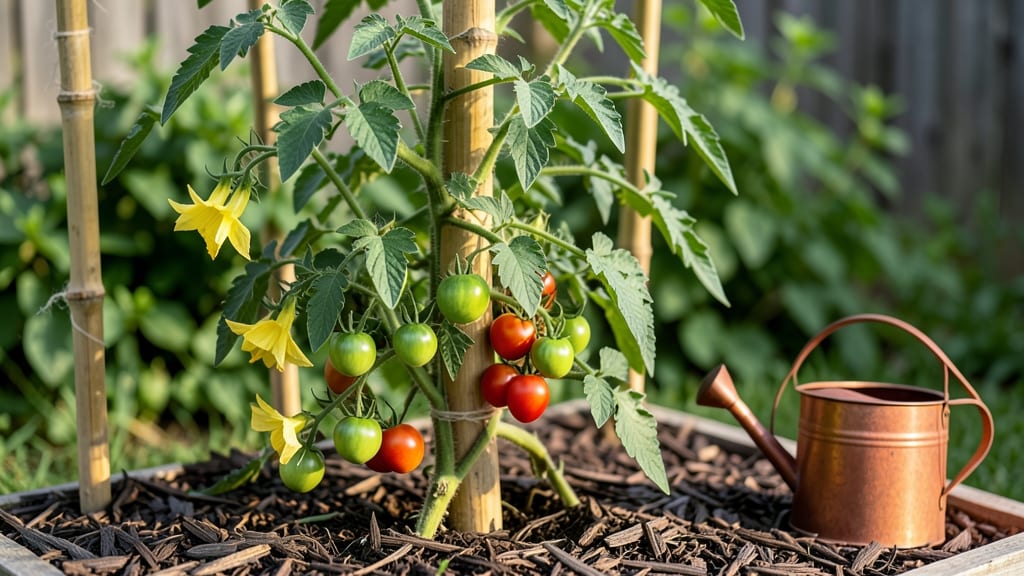
The best way to grow tomato plants starts with a sunny spot and the right variety for your space. 🌱 I’ve grown tomatoes in containers, raised beds, and in-ground plots—each method works if you nail the basics: soil, light, and consistent care.
My first year, I nearly gave up after blight wiped out my plants, but now I’m harvesting pounds of fruit from just a few plants. Tomatoes thrive with 6-8 hours of direct sun daily, well-draining soil rich in compost, and regular watering at the base (never the leaves).
Prune suckers early to focus energy on fruit, and stake or cage plants to prevent sprawl. The right setup turns a small balcony into a productive garden—no backyard required. You’ll taste the difference when you pick ripe tomatoes straight from the vine, sweeter and more flavorful than store-bought.
Even in tight spaces, a well-chosen variety like ‘Tiny Tim’ or ‘Patio Princess’ delivers abundant harvests—proof that great tomatoes aren’t about space, but technique. Whether you’re starting from seed or seedlings, this method scales from pots to plots. Let’s get those plants growing!
📚 In This Guide
- What you need
- Instructions
- Tips and common mistakes
- Wrapping up and next steps
What you need
- ● Tomato Seeds or Seedlings: Choose disease-resistant varieties like Cherry Tomatoes (for containers) or Beefsteak (for larger pots). Start with 3-5 seeds or seedlings per plant.
- ● Containers or Garden Beds: Containers: Use 5-gallon pots or fabric grow bags (minimum 12-18 inches deep) for determinate varieties. Indeterminate types need 20+ gallons.
- ● Garden Beds: Ensure 18-24 inches of soil depth and 18-24 inches of spacing between plants.
- ● High-Quality Potting Mix: 10-20 lbs of a lightweight, well-draining mix (e.g., 60% potting soil, 30% perlite/vermiculite, 10% compost). Avoid garden soil—it’s too dense!
- ● Fertilizer: Balanced Fertilizer (e.g., 10-10-10): 1 tbsp per plant at planting.
- ● Tomato-Specific Fertilizer (high in potassium): 1 tbsp every 2-3 weeks during fruiting.
- ● Stakes or Cages: 1-2 per plant (6-foot stakes or 5-6 ft tall cages for indeterminate varieties).
- ● Trellis or String: For vining varieties, use twine or a lightweight trellis to support growth.
- ● Mulch: 2-3 inches of straw or shredded leaves to retain moisture and suppress weeds.
- ● Hand Trowel or Transplant Spade: For planting and soil prep.
- ● Pruning Shears: To trim suckers and dead leaves.
- ● Watering Can or Hose with Adjustable Nozzle: Drip irrigation is ideal for consistent moisture.
- ● pH Test Kit: Keep soil pH between 6.0-6.8 for optimal growth.
- ● Gloves: Protect your hands from thorns and soil.
- ● Grow Lights: If growing indoors, use LED grow lights (12-16 hours/day) for seedlings.
- ● Compost Tea or Fish Emulsion: Boosts nutrient uptake during flowering.
- ● Row Covers or Shade Cloth: Protects from pests or excessive sun.
- ● Self-Watering System: Reduces maintenance for busy gardeners.
- ● Tomato Cage Topper: Extends cage height for towering varieties.
Step-by-Step instructions for growing tomato plants year-round
Here’s the foolproof method I’ve used for decades—whether you’re growing in pots, raised beds, or even a sunny windowsill.
🌱 Step 1: Start Seeds Indoors at the Right Time
Tomatoes thrive when started indoors 6-8 weeks before your last frost date. I like to use biodegradable seedling pots (2-3 inches deep) filled with sterile seed-starting mix—never garden soil, which can harbor diseases. Plant 2-3 seeds per pot at a depth of ¼ inch (about the width of a dime). Cover lightly with more mix and mist gently until the surface is damp.
Place the pots in a warm spot (70-80°F) like on top of a fridge or under a seedling heat mat. Keep the soil consistently moist but never soggy—you’ll know it’s right when the top inch feels damp to your fingers. Germination usually takes 5-10 days, but don’t rush it by overwatering. Too much moisture now invites damping-off, a fungal disease that collapses seedlings overnight.
☀️ Step 2: Provide Light and Prevent Leggy Growth
The moment those first green sprouts appear, move them under a grow light (or to the sunniest window). Tomatoes need 14-16 hours of light daily—a south-facing window won’t cut it unless it’s blazing hot outside. Leggy seedlings (thin, stretched stems) mean your light is too weak or too far away. Keep the light 2-4 inches above the plants and raise it as they grow.
Once the seedlings have 2-3 true leaves (the first leaves are just cotyledons), thin to the strongest plant per pot. Snip the weaker ones at the base with clean scissors—don’t pull, or you’ll disturb the roots. Fertilize lightly with a balanced liquid fertilizer (5-5-5) at half-strength after the first true leaves appear. This jumpstarts their growth without burning tender roots.
🪴 Step 3: Harden Off and Transplant Carefully
Two weeks before your last frost, start hardening off your seedlings. Place them outside in a shaded, sheltered spot for 1-2 hours the first day. Gradually increase their outdoor time by 1 hour daily, moving them to sunnier spots each time. By day 10, they should tolerate a full day outside. This toughens their skin and roots so they’re ready for the garden.
Transplant on an overcast day or in the late afternoon to reduce stress. Bury the stem deeper than usual—up to the first set of leaves. This encourages stronger root growth from the buried stem. Space plants 18-24 inches apart in rows 3-4 feet apart for good airflow. Water deeply right after planting to settle the soil and reduce transplant shock. Mulch with 2-3 inches of straw or shredded leaves to retain moisture and suppress weeds.
💧 Step 4: Water, Feed, and Prune for Maximum Yield
Tomatoes need 1-2 inches of water per week, but consistency is key. Water deeply at the base in the morning so the foliage dries quickly—wet leaves invite fungal diseases like blight. Use a drip irrigation system or soaker hose if possible; overhead watering wastes water and spreads disease. You’ll know your watering is right when the soil feels dry 1-2 inches down but not bone-dry.
Fertilize every 2-3 weeks with a tomato-specific fertilizer (high in phosphorus and potassium) or compost tea. Prune suckers (the little shoots that grow between the main stem and branches) regularly to direct energy to fruit production. Pinch off the first few flowers if your plant is still small—this lets the plant focus on growing stronger before setting fruit. Once it’s established, let it go wild with blooms!
✂️ Step 5: Harvest and Extend the Season
Tomatoes are ready to pick when they’re fully colored (red, yellow, or whatever variety you’re growing) and slightly soft to the touch. Twist gently to avoid damaging the stem. Harvest every 2-3 days in peak season to encourage more production. If frost threatens, pick green tomatoes and ripen them indoors in a paper bag with a banana (the ethylene gas speeds up ripening).
For year-round harvests, start a new batch of seeds indoors every 2-3 months in warm climates. In cooler areas, use row covers or grow in large containers that you can move indoors during winter. With this method, you’ll have fresh tomatoes nearly 12 months a year—even in small spaces!
Tips & tricks for perfect year-round tomato growth
These are the secrets I've learned after growing tomatoes successfully for decades—especially when space is limited. The difference between a thriving plant and a struggling one often comes down to these small but critical details.
Seed Starting Wisdom: When planting your 2-3 seeds per pot in Step 1, use a pencil to mark the depth of ¼ inch—this ensures consistent planting depth. I've found that using a mix of sterile seed-starting mix with a bit of perlite (about 10%) improves drainage and prevents damping-off. This is especially important during those 5-10 days of germination when moisture control is critical.
Lighting Strategy: For the 14-16 hours of light tomatoes need daily in Step 2, I recommend using LED grow lights on a timer rather than relying on natural light. Position the light 2-4 inches above the seedlings and adjust as they grow. A simple trick to prevent leggy growth is to rotate your pots 180 degrees daily—this ensures even growth toward the light source. Watch for that first set of true leaves (not the initial cotyledons) before thinning.
Transplanting Pro Tip: In Step 3, when hardening off your seedlings, I've found that using a small fan on low setting for 10-15 minutes daily during the hardening process mimics wind conditions and strengthens stems. For transplanting, make sure to water the pots thoroughly 24 hours before moving them to their permanent location—this helps prevent transplant shock when you bury the stem deeper than usual up to the first leaves.
Year-Round Extension: For that nearly 12-month harvest promise in Step 5, consider using 5-gallon grow bags instead of pots—they're lightweight for moving indoors during winter but still provide ample root space. In cooler months, place containers near a sunny window or under grow lights for 12-14 hours daily. The key is maintaining consistent temperatures above 50°F and providing proper support as plants grow taller indoors.
Pro Tips for Best Way To Grow Tomato Plants
- These are the secrets I've learned after growing tomatoes successfully for decades—especially when space is limited.
- Seed Starting Wisdom: When planting your 2-3 seeds per pot in Step 1, use a pencil to mark the depth of ¼ inch—this ensures consistent planting depth.
- Lighting Strategy: For the 14-16 hours of light tomatoes need daily in Step 2, I recommend using LED grow lights on a timer rather than relying on natural light.
Frequently asked questions
Got questions about growing tomatoes like a pro? Here are some of the most common ones—plus quick, actionable answers to help you crush your harvest!
How long does it take for tomato plants to produce fruit?
Most tomato varieties take 60–85 days from transplanting to harvest, depending on the type. Cherry tomatoes are often the fastest (50–60 days), while heirlooms or beefsteak varieties may take longer. Start seeds indoors 6–8 weeks before your last frost date to give them a head start!
Why are my tomato leaves turning yellow?
Yellowing leaves (a condition called chlorosis) usually signals overwatering, nutrient deficiency, or poor drainage. Check your soil moisture—tomatoes prefer consistent but not soggy conditions. A lack of magnesium or nitrogen can also cause this; try a balanced fertilizer or Epsom salt (1 tbsp per gallon of water) for a quick fix.
Can I grow tomatoes in containers if I don’t have a garden?
Tomatoes thrive in containers as long as the pot is at least 5 gallons (bigger is better for indeterminate varieties). Use a well-draining potting mix and place your container in full sun (6+ hours/day). Dwarf or bush varieties (like ‘Tiny Tim’ or ‘Patio Princess’) are ideal for small spaces.
When is the best time to prune tomato plants?
Prune indeterminate tomatoes (vining types) throughout the growing season to improve airflow and fruit production. Remove suckers (side shoots in the leaf axils) when they’re 2–3 inches long. For determinate tomatoes (bush types), minimal pruning is needed—just trim dead or diseased leaves to keep the plant healthy.
How do I prevent tomato hornworms from destroying my plants?
These hungry caterpillars can devour leaves overnight! Handpick them (they’re big and easy to spot) and drop them in soapy water. Encourage beneficial predators like parasitic wasps by planting basil or dill nearby. Neem oil or Bt (Bacillus thuringiensis) can also help as a natural deterrent.
Wrapping up and next steps
Growing your own tomato plants is easier than you think—even in small spaces! By choosing the right varieties, optimizing your growing environment, and following a few simple steps, you can enjoy fresh, homegrown tomatoes year-round.
Whether you’re a beginner or a seasoned gardener, these tips will help you harvest like a pro and savor the rewards of your hard work.
Ready to get started? Pick your favorite tomato variety, grab your supplies, and dive in! Your first juicy tomato is just a few weeks (and a little sunshine) away. 🌱🍅