
Planting
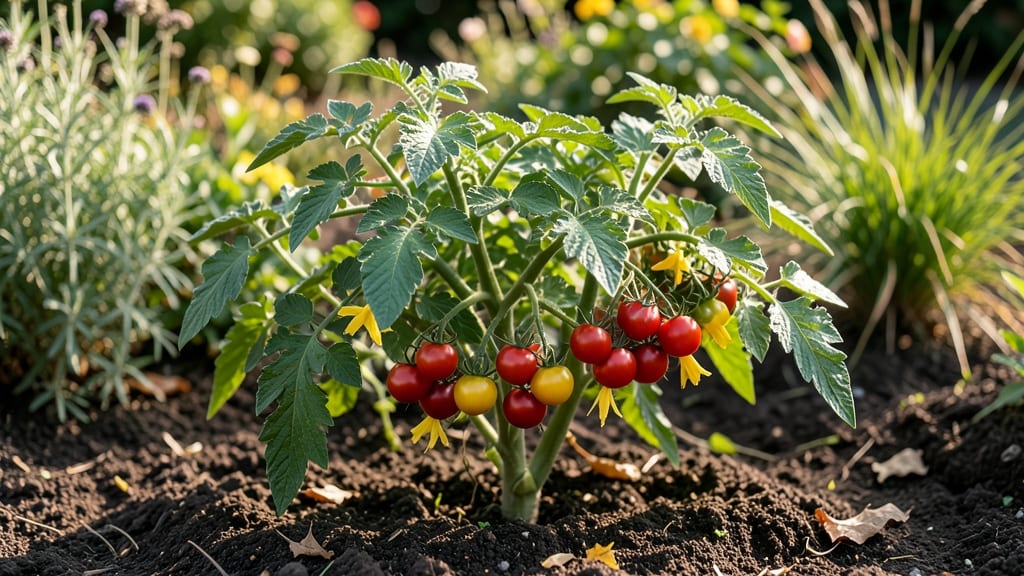
Growing berry tomato plants that produce hundreds of sweet, cherry-sized tomatoes in a single season feels like magic—until you try it yourself. 🌱 The key isn’t just picking the right variety (like 'Sweet 100' or 'Sun Gold'), but creating the perfect conditions for those compact plants to thrive.
I’ve grown berry tomatoes for years, and the difference between a handful of fruit and a bucketful comes down to sunlight, soil, and a few smart pruning tricks.
These tiny tomatoes pack explosive flavor in their small size, and their compact vines make them perfect for containers, small spaces, or even hanging baskets. The secret to heavy harvests? A disease-resistant variety, consistent watering, and pruning to encourage more fruiting branches.
My plants now produce so much, I give away jars of sun-dried tomatoes every fall. By summer’s end, you’ll be snipping clusters of ripe tomatoes for salads, sauces, or just eating straight off the vine.
The plants stay productive for weeks longer than traditional tomatoes, and their resistance to common diseases means fewer headaches. Even if you’ve struggled with tomatoes before, berry varieties are foolproof—just follow these steps.
Works for containers, raised beds, or in-ground gardens, and adapts to most climates with the right seasonal timing. Let’s get those vines loaded with fruit!
📚 In This Guide
- What you need
- Instructions
- Tips and common mistakes
- Wrapping up and next steps
What you need
- ● Berry tomato seeds or seedlings: Disease-resistant varieties like ‘Tiny Tim,’ ‘Sweet 100,’ or ‘Mountain Merit’ (3–6 plants, depending on space).
- ● Well-draining potting mix: 10–20 lbs (4.5–9 kg) of organic, sterile soil blend (or a mix of compost, coconut coir, and perlite).
- ● Containers or garden bed: Containers: 5–10 gallon pots (1–2 plants per container) with drainage holes.
- ● Garden bed: Full sun (6+ hours/day), raised or in-ground with loose, fertile soil.
- ● Fertilizer: Balanced organic fertilizer (10-10-10 or 5-5-5) or compost tea for a gentle nutrient boost.
- ● Mulch: Straw, shredded leaves, or black plastic (to suppress weeds and retain moisture).
- ● Basic tools: Trowel, pruning shears, watering can (or hose with gentle nozzle), and gloves.
- ○ Support structures (optional but helpful): Cages (5–6 ft tall) or stakes (2–3 ft) for indeterminate varieties.
- ● Trellis for vertical growth (saves space!).
- ● Pest/disease prevention: Neem oil or copper fungicide (for fungal issues like early blight).
- ● Row covers (floating fabric) to deter pests like aphids.
- ○ Soil test kit (optional): To check pH (ideal: 6.0–6.8) and nutrient levels before planting.
Step-by-step guide to growing disease-resistant berry tomatoes
Here's how I grow these compact, flavor-packed tomatoes with minimal disease pressure—perfect for containers or small gardens.
🌱 Step 1: Select and Prepare Your Disease-Resistant Variety
Choose a cherry or grape tomato variety with built-in disease resistance like 'Mountain Merit,' 'Sweet Million,' or 'Tiny Tim.' These compact plants produce abundant 1-inch fruits while resisting common issues like early blight and fusarium wilt. Start with 4 plants (your target yield) spaced 18-24 inches apart in well-draining soil or containers.
Test your soil's pH—berry tomatoes thrive in slightly acidic to neutral soil (6.2-6.8). Amend heavy clay with 2-3 inches of compost mixed into the top 6 inches of soil. I always add a balanced organic fertilizer (10-10-10) at planting time to give roots an energy boost right away.
🪴 Step 2: Plant in Optimal Conditions for Disease Prevention
Set plants in a location with full sun (6-8 hours daily) and good airflow—crowded plants develop fungal diseases faster. If growing in containers, use 5-gallon pots with drainage holes, as smaller pots dry out too quickly and stress roots. Bury stems slightly deeper than their current soil line to encourage stronger root growth from the buried stem.
Water deeply once after planting to settle soil around roots, then wait 3-4 days before watering again. Overwatering at this stage invites fungal spores to colonize. You'll know moisture is right when the top 1 inch of soil feels damp but not soggy—like a wrung-out sponge.
☀️ Step 3: Maintain Consistent Care for Heavy Fruit Production
Keep soil consistently moist but never waterlogged—berry tomatoes need 1-1.5 inches of water weekly, delivered at the base to avoid wetting leaves (which spreads disease). I use drip irrigation or a soaker hose to deliver water slowly and evenly. In hot weather, water early morning to prevent evening moisture that fuels fungal growth.
Fertilize every 4-6 weeks with a low-nitrogen, high-phosphorus formula (like 5-10-10) to encourage flowering and fruiting. You'll see new flowers appear 2-3 weeks after planting, and the first tiny berries will form soon after. Prune suckers (the shoots growing between main stems and branches) to redirect energy to fruit production.
✂️ Step 4: Prune and Support for Maximum Yield
Train vines to a small trellis or stake to improve airflow and make harvesting easier. Remove any leaves touching the ground or crowded branches—these create damp conditions where diseases like blight thrive. Pinch off the first few flowers if your plant looks stressed; it's better to build strong growth first.
Harvest berries when they reach full color and softness—they won't ripen further once picked. I harvest every 2-3 days during peak season to encourage continuous production. Store unripe berries at room temperature until they ripen, but eat ripe ones within 3-5 days for peak flavor.
🌿 Step 5: Prevent Disease Through Seasonal Care
Monitor plants weekly for signs of disease: yellowing leaves, brown spots, or white powdery growth. Remove affected leaves immediately and destroy them (don't compost). Apply neem oil preventatively every 2-3 weeks during humid weather to create a protective barrier against fungal spores.
At season's end, remove all plant debris and compost it in a sealed bin—never leave diseased material in the garden. Rotate planting locations next year to prevent soil-borne diseases from building up. With these care steps, you'll enjoy pounds of sweet berries with minimal disease pressure.
Tips & tricks for perfect berry tomato growth
A few strategic moves will help you maximize your harvest and keep those plants thriving all season long.
Variety Selection: When choosing your disease-resistant varieties, prioritize 'Mountain Merit' or 'Sweet Million' for their compact growth and consistent production. These varieties handle heat and humidity better than standard cherry tomatoes, which means fewer disease issues in humid climates. I've found that starting with 4 plants gives you a perfect balance between yield and manageability—especially in containers.
Soil Prep Strategy: The 2-3 inches of compost mixed into the top 6 inches of soil isn't just about nutrients—it's about creating that perfect soil structure. If you're working with heavy clay, add perlite or vermiculite to improve drainage. I always test my soil pH before planting because even a slight deviation from 6.2-6.8 can stress plants and make them more susceptible to disease. A simple soil test kit from your local garden center makes this easy.
Watering Wisdom: That initial deep watering after planting is crucial, but the 3-4 day wait before watering again gives roots time to establish without creating soggy conditions. I've learned this the hard way—overwatering at planting time leads to root rot before plants even get established. After that, stick to the 1-1.5 inches weekly guideline, but always check soil moisture by feeling the top inch—it should feel like a wrung-out sponge, not a wet towel.
Disease Prevention: Neem oil isn't just a reactive treatment—it's a preventive shield. Apply it every 2-3 weeks during humid weather, but always in the early morning so it has time to dry before evening moisture sets in. I've seen dramatic results when I combine neem oil with proper spacing and airflow. The key is consistency: don't wait until you see problems to act.
Pro Tips for Berry Tomato Plant
- A few strategic moves will help you maximize your harvest and keep those plants thriving all season long.
- Variety Selection: When choosing your disease-resistant varieties, prioritize 'Mountain Merit' or 'Sweet Million' for their compact growth and consistent production.
- Soil Prep Strategy: The 2-3 inches of compost mixed into the top 6 inches of soil isn't just about nutrients—it's about creating that perfect soil structure.
Frequently asked questions
Got questions about growing berry tomato plants? Here are answers to the most common ones to help you grow a thriving, disease-resistant harvest!
What’s the best time to plant berry tomato seeds indoors?
Start seeds 6–8 weeks before your last frost date (typically late winter to early spring). Use seed trays with well-draining soil and keep them in a warm (70–80°F) spot with bright light. Transplant seedlings outdoors after soil warms to 55°F+ and nighttime temps stay above 50°F.
Can I grow berry tomatoes in containers? If so, what size pot do I need?
Yes! Berry tomatoes thrive in containers. Use pots at least 12–18 inches deep with drainage holes. Dwarf or cherry varieties (like ‘Tiny Tim’ or ‘Sweet 100’) do well in smaller pots (10+ inches), while larger types need bigger space. Add a tomato cage or trellis for support.
How do I prevent common diseases like blight or leaf spot in berry tomatoes?
Choose disease-resistant varieties (e.g., ‘Mountain Merit’ or ‘Defiant PhR’). Space plants 18–24 inches apart for airflow, water at the base (avoid leaves), and remove diseased foliage immediately. Rotate crops yearly and mulch to deter soil-borne pathogens.
How long does it take for berry tomatoes to produce fruit after planting?
From seed, expect fruit in 60–70 days for fast varieties (like ‘Sun Gold’). Transplanted seedlings may bear fruit in 50–60 days. Consistent warmth, sunlight (6+ hours/day), and regular watering speed up ripening. Pro tip: Pinch off early blossoms to boost later harvests!
What can I do if my berry tomato plant stops producing fruit?
Check for underwatering, overcrowding, or nutrient deficiencies (add balanced fertilizer). Too much nitrogen? Switch to a phosphorus-rich feed. Also, ensure temps stay above 55°F—cold stress can halt flowering. Prune suckers (side shoots) to redirect energy to fruit production.
Wrapping up and next steps
Growing berry tomato plants that are both disease-resistant and high-yielding is a rewarding journey that brings fresh, flavorful produce to your table!
By choosing the right varieties—like Sungold or Sweet Million—and following proper care, you’ll enjoy bountiful harvests with minimal fuss. 🌱 Whether you're a beginner or a seasoned gardener, these tips will set you up for success.
Now that you’re armed with knowledge, it’s time to plant those seeds or seedlings and watch your garden thrive! Start small, experiment with varieties, and soon you’ll be sharing your delicious berry tomatoes with friends and family. Happy growing! 🍅✨