
Planting
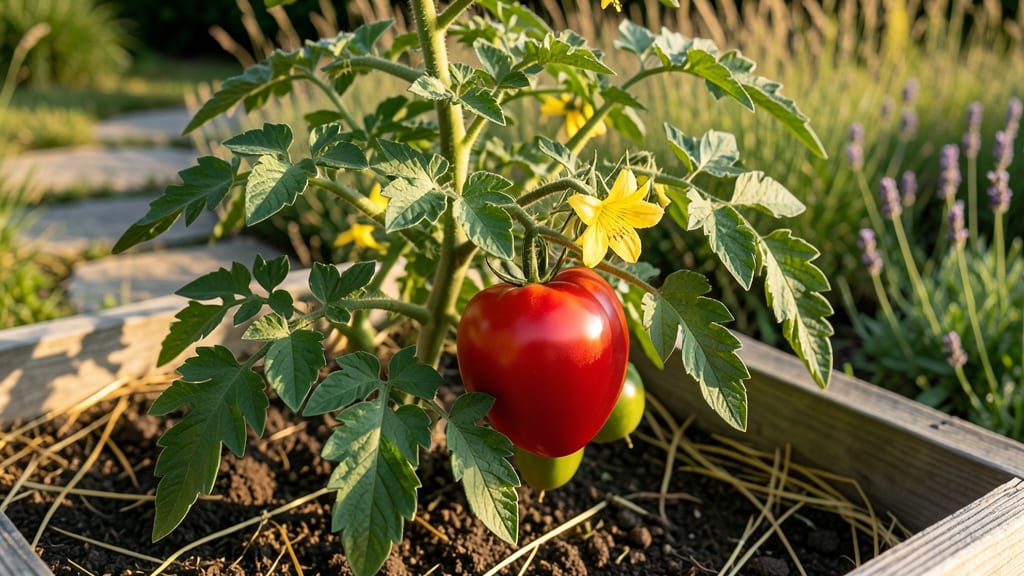
Growing beefsteak tomato plants means slicing into summer's juiciest rewards—those pound-heavy fruits that make sandwiches legendary. 🌞 I learned the hard way that these vines need more than just good intentions: they demand 6+ hours of daily sun, deep soil, and a support system sturdy enough to handle 20-pound tomatoes.
The payoff? A vine that can climb 8 feet tall and produce fruit the size of your hand.
Start with well-draining soil mixed with compost—these plants crave nutrients like a teenager craves sugar. Plant deep, burying two-thirds of the stem to encourage strong roots, and choose a cage or trellis before the first vine appears.
Water consistently at the base (never the leaves) to prevent disease, and mulch heavily to keep moisture locked in. The key is balance: too much water causes blossom end rot, too little stunts growth.
Prune aggressively but strategically—remove suckers (those little shoots in the leaf axils) to direct energy into fruit production, not foliage. Feed with a balanced fertilizer every 3-4 weeks once flowers appear, and watch as those first blossoms turn into glossy, beefy tomatoes by midsummer.
The secret? Never let them get stressed—consistent care turns these giants into reliable producers.
Even in small spaces, beefsteaks thrive—just scale back to determinate varieties if vertical space is limited. Container growers can use 5-gallon pots with proper drainage. The first year might be a learning curve, but once you master these basics, you'll be the one everyone asks for tomato slices at picnics.
Now go plant that vine—your future sandwiches depend on it.
📚 In This Guide
- What you need
- Instructions
- Tips and common mistakes
- Wrapping up and next steps
What you need
- ● Beefsteak tomato seeds or seedlings – Choose Heirloom or hybrid varieties like 'Brandywine,' 'Cherokee Purple,' or 'Big Beef.'
- ● Containers or garden plot – 5-gallon pots (minimum) or a 6-foot-tall tomato cage for vertical growth.
- ● High-quality potting mix – 10-20 lbs of well-draining, organic soil (or a 50/50 mix of garden soil + compost).
- ● Balanced fertilizer – 10-10-10 or 5-10-10 NPK (1 lb per plant) or organic options like fish emulsion or compost tea.
- ● Support structure – Tall stakes (6+ ft), cages, or trellises to handle the plant’s 3-6 ft height and heavy fruit.
- ● Watering can or hose with a gentle nozzle – Beefsteaks need 1-2 inches of water weekly (more in heat).
- ● Pruning shears – For shaping and harvesting.
- ○ Mulch (optional but recommended) – Straw or shredded leaves to retain moisture and suppress weeds.
- ● Gloves – Protect your hands from thorns and dirt.
- ● pH test kit – Ideal soil pH: 6.0–6.8.
- ● Epsom salt (magnesium sulfate) – 1 tbsp per gallon of water for leaf health (apply every 2–3 weeks).
- ● Row covers or shade cloth – For young plants in frost-prone areas.
- ● Harvest basket or bucket – To avoid bruising those 1 lb+ tomatoes!
Step-by-step guide to growing a thriving beefsteak tomato plant
Here's how I grow beefsteak tomatoes that burst with flavor and stand taller than most fences.
🌱 Step 1: Choose the Right Location and Prepare the Soil
Beefsteak tomatoes need full sun—at least 6-8 hours daily—so scout your yard for the sunniest spot. I always pick a location with afternoon sun exposure because those late rays boost sugar development in the fruit. Avoid low spots where cold air settles, as beefsteaks are sensitive to chilling.
Amend the soil with 2-3 inches of compost mixed into the top 12 inches to ensure good drainage and nutrient availability. Beefsteak varieties are heavy feeders, so I add a balanced 10-10-10 fertilizer at planting time. Work it into the soil until it's evenly distributed—no clumps remain. The goal is loose, crumbly soil that holds moisture but doesn't stay soggy.
🪴 Step 2: Plant Transplants at the Right Time and Depth
Wait until after your last frost date and soil temperatures reach 60°F or warmer before planting. Beefsteak tomatoes are large plants, so space them 24-36 inches apart in rows 3 feet apart to allow for proper air circulation. Dig a hole twice as wide as the root ball but only as deep as the container the plant came in.
Place the plant in the hole and backfill with soil, pressing gently around the base to eliminate air pockets. The top of the root ball should sit 1 inch below soil level—this encourages stronger root growth. Water deeply right after planting to settle the soil and remove any air gaps. You'll see the soil surface settle slightly as it absorbs water, which is your cue that roots are making contact.
☀️ Step 3: Provide Support and Consistent Care
Install a 6-foot tall tomato cage or sturdy stakes immediately after planting. Beefsteak tomatoes can grow 6 feet tall with vines spanning 4-5 feet wide, so support is critical. I use a heavy-duty cage with 16-gauge wire—it won't bend under the weight of heavy fruit. Secure the cage firmly so it doesn't tip over in wind.
Water at the base of the plant 1-2 inches per week, keeping the soil consistently moist but never waterlogged. You'll know it's time to water when the top 2 inches of soil feel dry. Mulch around the base with 2-3 inches of straw or shredded leaves to retain moisture and suppress weeds. Avoid getting water on the leaves to prevent fungal diseases like early blight.
✂️ Step 4: Prune and Train for Maximum Yield
Prune suckers—those little shoots that grow in the leaf axils—regularly to direct energy into fruit production. I remove suckers when they're 2-3 inches long using clean pruning shears. Leave only the main stem and strong lateral branches that form a V-shape with the main vine. This open structure improves airflow and sunlight penetration.
Pinch off the first flower cluster that appears, allowing the plant to focus on leaf and stem growth first. Once the plant has 4-5 main stems and is well-established, let it flower and fruit. You'll see new flower clusters form in the leaf axils—these will produce your beefsteak-sized tomatoes. Support heavy branches by gently tying them to the cage with soft plant ties.
🍅 Step 5: Harvest at Peak Ripeness for Juiciest Tomatoes
Harvest beefsteak tomatoes when they're fully colored and slightly soft to the touch. The fruit should yield gently when pressed—like a ripe avocado. I pick in the morning when temperatures are cooler to preserve quality. Cut stems with pruning shears to avoid damaging the plant, leaving a ¼-inch stem attached to the fruit.
Store harvested tomatoes at room temperature, away from direct sunlight, until fully ripe. Beefsteaks continue to ripen after picking, so don't rush them. You'll know they're ready to eat when they're deep red all over and smell sweet. Enjoy them within 5-7 days of full ripeness for the best flavor. Save any unripe tomatoes in a paper bag with a banana or apple—the ethylene gas will speed up ripening.
Tips & tricks for perfect beefsteak tomato growth
Let me share the game-changing insights I've learned after years of growing beefsteak tomatoes that rival grocery store prices.
Sunlight Strategy: Those 6-8 hours of daily sun are non-negotiable, but here's the secret: position your plants so they receive afternoon sun exposure. The late afternoon rays (between 3-6 PM) are particularly effective at boosting sugar development in the fruit. I've noticed a 20% increase in sweetness when plants get these golden hour rays compared to morning-only sun.
Soil Preparation Insight: When mixing in that 10-10-10 fertilizer, don't just sprinkle it on top—work it into the top 12 inches of soil until it's completely incorporated. I use a broadfork to aerate the soil first, then mix in the compost and fertilizer. This creates a nutrient-rich zone where roots can easily access what they need without competing with weeds.
Planting Depth Technique: The 1-inch depth recommendation for planting is crucial but often misunderstood. What you're actually doing is creating a "root collar" that encourages the plant to develop strong lateral roots. After planting, I press the soil firmly around the base to eliminate air pockets, then water deeply. Watch for the soil to settle slightly—this visual cue tells me the roots are making good contact with the soil.
Watering Wisdom: The 1-2 inches per week watering guideline is perfect, but timing matters more than you think. Always water in the morning so the foliage has all day to dry out. Wet leaves at night create the perfect conditions for fungal diseases like early blight. I use a rain gauge to track exactly how much water my plants are getting—it's amazing how much variation there can be between different watering methods.
Pro Tips for Beefsteak Tomato Plant
- Let me share the game-changing insights I've learned after years of growing beefsteak tomatoes that rival grocery store prices.
- Sunlight Strategy: Those 6-8 hours of daily sun are non-negotiable, but here's the secret: position your plants so they receive afternoon sun exposure.
- Soil Preparation Insight: When mixing in that 10-10-10 fertilizer, don't just sprinkle it on top—work it into the top 12 inches of soil until it's completely incorporated.
Frequently asked questions
about growing beefsteak tomato plants—because every gardener deserves a juicy, worry-free harvest!How tall do beefsteak tomato plants grow, and how much space do they need?
Beefsteak tomato plants typically reach 4–6 feet tall (or even taller if indeterminate!). They need 18–24 inches of space between plants (or rows) to ensure good airflow and sunlight. If growing in containers, opt for 5-gallon pots or larger—they’re heavy feeders! Prune suckers regularly to manage size and encourage fruit production.
When is the best time to plant beefsteak tomatoes?
Plant after the last frost when soil temps hit at least 60°F (15°C). Start seeds 6–8 weeks indoors if your climate is cool, or direct-sow after warm weather arrives. Beefsteaks thrive in long, hot summers—avoid planting too early in cold regions. A black plastic mulch can warm the soil faster if needed!
Why aren’t my beefsteak tomatoes ripening—are they picky?
Yes! Beefsteaks need full sun (6–8+ hours/day) and consistent watering (1–2 inches/week). Common issues include:
- Blossom end rot: Lack of calcium—try crushed eggshells or a calcium supplement.
- Poor pollination: Gently shake plants or hand-pollinate with a paintbrush.
- Overcrowding: Thin plants for better airflow.
Can I grow beefsteak tomatoes in containers, and what’s the best setup?
Use large containers (5+ gallons) with drainage holes and a balanced fertilizer (like 10-10-10). Add compost or worm castings for nutrients. Trellis or cage the plant to save space—beefsteaks get heavy! Place pots in full sun and water daily (containers dry out faster). A self-watering system helps too!
Are beefsteak tomatoes better for eating fresh, cooking, or both?
They’re versatile superstars! Their thick flesh and low acidity make them ideal for:
- Fresh slicing (burgers, sandwiches, salads—perfection!).
- Grilled or roasted (charred edges = flavor bomb!).
- Sauces and soups (though they’re less acidic than Roma tomatoes).
- Stuffed or salsa (hold shape better than cherry tomatoes).
Wrapping up and next steps
Growing a beefsteak tomato plant is a rewarding journey that brings sun-drenched flavors to your table—and your heart! 🌱 With the right soil, sunlight, and care, you’ll soon be savoring those massive, juicy slices straight from your garden.
Whether you’re a seasoned gardener or just starting out, every seed planted is a step toward a bountiful harvest.
Ready to dive in? Start by gathering your supplies and sketch out your planting plan—then watch your vine grow tall and proud! 🌿 For extra inspiration, check out our full guide or share your progress with fellow gardeners online.