
Container Gardens
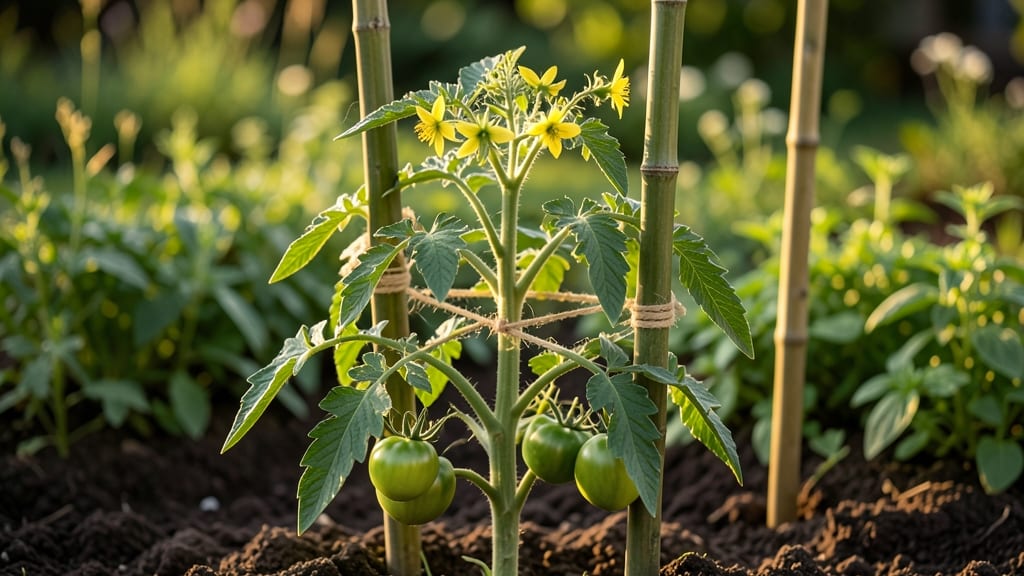
Bamboo tomato stakes turned my floppy vines into sturdy towers—no more sagging branches or broken stems by harvest time. 🌱 The right support makes all the difference, especially when you're growing heavy varieties like beefsteaks or heirlooms that need serious backing.
I've tested everything from wire cages to metal stakes, but bamboo strikes the perfect balance between strength and simplicity for most gardeners. You'll need 4- to 5-foot stakes (longer for indeterminate varieties) and soft garden twine or plant ties to secure them.
The prep is minimal: just pound the stakes into the soil 2-3 inches deep at planting time, about 6 inches from the main stem, and weave the twine loosely as the plant grows. This keeps the vine from strangling as it thickens.
What you end up with is a clean, organized plant that directs energy upward instead of sprawling. The stakes won't rot like wooden ones, and they're lightweight enough to handle without strain. Plus, they disappear into the garden—no ugly metal sticking out when it's time to harvest.
Works for both in-ground and container tomatoes, though you may need two stakes per plant for especially top-heavy varieties. Here's how to set it up right the first time.
📚 In This Guide
- What you need
- Instructions
- Tips and common mistakes
- Wrapping up and next steps
What you need
- ● Bamboo stakes: 6–10 stakes per tomato plant (adjust based on plant size and height goals).
- ● Recommended diameter: ½–¾ inch (thicker for heavier vines).
- ● Recommended length: 4–6 feet (taller for indeterminate varieties).
- ● Garden twine or soft plant ties: 10–20 feet (biodegradable preferred).
- ○ Staple gun or zip ties: For securing twine (optional but helpful).
- ● Measuring tape or ruler: To ensure even stake spacing.
- ● Scissors or pruners: For trimming twine or bamboo.
- ○ Optional: Wooden dowels (for extra reinforcement in windy areas).
- ● Waterproof sealant (to extend bamboo lifespan if desired).
- ● Pre-made bamboo trellis kit (for DIY convenience).
How to install bamboo tomato stakes for strong, sag-free growth
Here’s my battle-tested method for setting up sturdy bamboo stakes that actually hold up to 6-foot tomato vines—no flopping, no bending, no regrets.
🪴 Step 1: Select and Prepare Your Bamboo Stakes
Choose 4-6 foot tall, ½-inch diameter bamboo stakes—thicker ones bend under tomato weight, while thinner ones snap. Look for straight, hollow poles with no cracks or splits. I like to soak them in warm water for 24 hours before use; this prevents them from splintering when driven into the ground.
If your stakes are too long, trim them to 3 feet for smaller varieties like cherry tomatoes. Use a handsaw for clean cuts—rough edges can tear plant stems later. Store extras upright in a bucket of water until needed; this keeps them from drying out and becoming brittle.
⏰ Step 2: Time Planting and Staking for Maximum Support
Install stakes at the same time you transplant seedlings—never after the plant is already established. Drive each stake 2-3 inches deep into the soil, about 2 inches away from the main stem. Angle it slightly toward the plant’s growth direction to encourage upward vines.
Here’s the thing—if you wait until vines are heavy with fruit, you’ll struggle to get stakes deep enough without damaging roots. I tap stakes in with a mallet until the top 12 inches is above ground. For windy areas, bury stakes 4-5 inches deep and tie plants at multiple points.
🌱 Step 3: Tie Vines Securely Using Soft Ties
Use store-bought fabric plant ties or strips of old T-shirt fabric—never wire or twine, which can cut into stems. Start tying when vines reach 6 inches tall, looping the tie around the stake and stem once every 12 inches as the plant grows.
Don’t cinch ties too tight—you should fit a finger between the tie and stem. As the plant grows, loosen old ties and add new ones higher up. Watch for shoots forming at the base of the stake; these sap-sucking suckers drain energy, so prune them off immediately.
☀️ Step 4: Reinforce Stakes Mid-Season for Heavy Fruit Loads
When tomatoes start setting fruit—usually 6-8 weeks after planting—vines can double in weight overnight. Check stakes weekly and add support ties every 6 inches up the stem. If you notice a stake leaning, drive a secondary stake 6 inches away and tie both to the main vine for extra stability.
Real talk: If your stakes start bending, it’s already too late to fix them. Prevention is key—water deeply during dry spells to keep stakes from becoming brittle. Mulch around the base to retain moisture and reduce stress on the support system.
✂️ Step 5: Prune and Maintain for Long-Term Stability
Prune suckers and lower leaves regularly to reduce weight on the stake system. Remove leaves that touch the ground to prevent soil-borne diseases. When vines reach the top of the stake, trim the tip to encourage bushier growth lower down—this distributes weight more evenly.
At season’s end, cut stakes down to 6 inches above ground and compost the remains. Never leave stakes in the soil over winter—they’ll rot and create weak spots for next year’s plants. Store them in a dry place for reuse, and you’ll save money for years.
Tips & tricks for sturdy tomato plant supports
These battle-tested insights will help you avoid the most common mistakes that turn flimsy supports into towering tomato success stories.
The 24-Hour Soak Secret: That warm water soak for 24 hours isn't just about preventing splinters—it's about creating a moisture barrier that makes driving stakes into soil effortless. I've found that pre-soaked stakes require about 30% less force to insert, reducing root disturbance. For extra strength, add a pinch of salt to the soak water; it helps prevent bacterial growth that could weaken the bamboo over time.
Placement Precision: The 2-inch distance from the main stem might seem small, but it's crucial for two reasons: First, it prevents stem bruising when you inevitably jostle the plant during watering. Second, it creates space for the plant to naturally grow toward the stake rather than against it. For indeterminate varieties, I like to angle the stake slightly toward the plant's expected growth direction—this subtle guidance helps vines find the support more quickly.
Tie Timing Strategy: Starting ties at the 6-inch vine height mark gives you the perfect balance—low enough to provide immediate support, but high enough that the plant has already established some root strength. Here's what I've learned: The first tie should be just below the first set of true leaves (not the seed leaves), and each subsequent tie should go 12 inches above the previous one. This spacing prevents stem constriction while distributing the plant's weight evenly along the stake.
Mid-Season Reinforcement: Those 6-8 weeks until fruit set might feel like an eternity, but they're actually the most critical period for stake stability. I've had stakes bend dramatically overnight when tomatoes suddenly double in weight. My trick? Install a secondary stake at the 6-inch mark during the 6-8 week window—it's a small investment that prevents future heartbreak. Think of it as creating a triangle of support rather than relying on a single stake.
Pro Tips for Bamboo Tomato Stakes
- These battle-tested insights will help you avoid the most common mistakes that turn flimsy supports into towering tomato success stories.
- The 24-Hour Soak Secret: That warm water soak for 24 hours isn't just about preventing splinters—it's about creating a moisture barrier that makes driving stakes into soil effortless.
- Placement Precision: The 2-inch distance from the main stem might seem small, but it's crucial for two reasons: First, it prevents stem bruising when you inevitably jostle the plant during watering.
Frequently asked questions
Got questions about using bamboo tomato stakes? You’re not alone! Here are answers to the most common concerns—so you can grow like a pro.
How deep should I bury bamboo tomato stakes for stability?
Bury your stakes 6–8 inches deep to ensure they don’t wobble when vines get heavy. For windy areas, sink them deeper or stake them in groups of 3–4 for extra support. A small mound of soil around the base helps anchor them too!
Can I reuse bamboo stakes from last year?
Yes, but only if they’re still sturdy! Clean them with a 10% bleach solution to kill bacteria/fungi, then store them in a dry place. Avoid reuse if they’re splintered, cracked, or moldy—your tomatoes deserve fresh, strong support!
When is the best time to install bamboo stakes for tomatoes?
Install stakes at planting time (or when seedlings are 6–8 inches tall). This gives vines time to grow along the stakes naturally. If you’re retrofitting, do it early in the season—never after heavy fruiting starts, or you risk damaging stems.
What if my bamboo stakes lean or bend under my tomato plants?
Lean = not enough support! Try these fixes:
- Add a second stake on the opposite side for balance.
- Tie vines to the stake every 12 inches with soft plant ties (not wire!).
- For extra height, laser-level stakes by burying one deeper or propping with a wooden dowel.
Are bamboo stakes eco-friendly compared to metal or plastic?
Bamboo is 100% biodegradable, renewable (harvested in 3–5 years vs. trees’ decades), and requires no pesticides. Plus, it’s lightweight and won’t overheat like metal in sun. Just compost it after use—no landfill guilt!
What’s a good alternative if I can’t find bamboo stakes?
No bamboo? No problem! Try these:
- Wooden dowels (sanded smooth) or untreated cedar stakes.
- Reclaimed fencing or metal cages (galvanized to prevent rust).
- DIY trellis: Weave branches or twine between two stakes for a rustic look.
Wrapping up and next steps
Transforming your container garden with bamboo tomato stakes is a game-changer—simple, sustainable, and stunning! 🌱 These sturdy supports not only keep your vines upright but also add a natural, rustic charm to your space.
Whether you're a seasoned gardener or just starting out, this eco-friendly solution makes growing tomatoes effortless and rewarding.
Ready to elevate your harvest? Grab your stakes, follow the steps, and watch your tomatoes thrive! Next up: Plant with confidence and enjoy the fruits of your labor—literally! 🍅