
Companion Plants
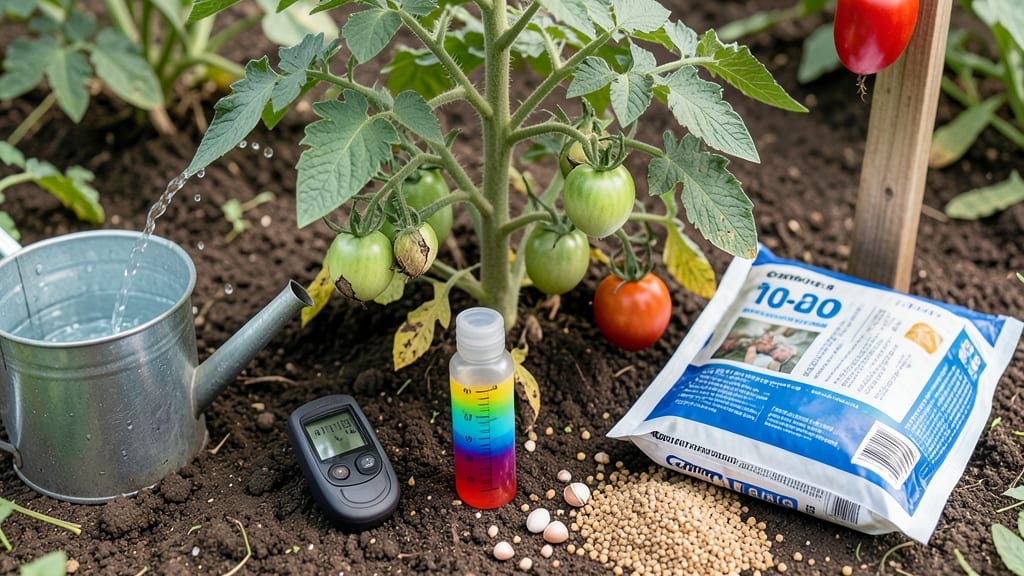
Why are my tomato plants not turning red?—it’s one of the most frustrating garden mysteries. 🌱 The truth? Ripening depends on sunlight, temperature, and even how you’re feeding those plants, and most gardeners miss at least one key factor. First, check the basics: tomatoes need 8+ hours of direct sun daily (morning sun is ideal) and daytime temps above 75°F for reddening to kick in. My plants sat green until I moved them to a sunnier spot last summer—now they blush in weeks. Even watering matters: inconsistent moisture causes blossom-end rot or stunted growth, both of which delay ripening. The fix starts with shade cloth on hot days (to prevent sunburn) and a balanced fertilizer (too much nitrogen = leafy monsters, not fruit). Prune suckers to focus energy on existing tomatoes, and harvest green ones early if frost looms—they’ll ripen indoors with a banana in the bag (seriously, it works!). Pests and diseases complicate things too. Aphids or early blight can stress plants, while over-fertilizing (especially with nitrogen) sends them into leaf-producing overdrive. I learned this the hard way when my plants grew 6-foot-tall bushes with tiny, pale tomatoes. The solution? A potassium-rich fertilizer like 5-10-10 and regular inspections for pests. Prevention is easier than you think: plant heat-tolerant varieties (like ‘Solar Fire’ or ‘Heatmaster’), mulch to stabilize soil temps, and avoid late-season nitrogen. With these tweaks, your tomatoes won’t just turn red—they’ll burst with flavor. Here’s how to diagnose your specific issue next.
Root Causes Behind Unripe Tomatoes
If your tomato plants are lush but the fruits refuse to blush, don’t panic—it’s often a mix of environmental and biological factors. Understanding these causes is the first step to fixing the issue.
Below, we break down the most common reasons why your tomatoes might be staying green, yellow, or pale, along with the science behind them.
Tomatoes require consistent warmth to trigger the production of lycopene, the pigment responsible for their red color. If nighttime temperatures drop below 50°F (10°C) or daytime temps hover around 65°F (18°C), ripening slows or halts entirely. This is especially common in cooler climates or early/late seasons.
Why it happens:
- Ethylene production drops: Ethylene is a natural plant hormone that signals tomatoes to ripen. Cold temperatures inhibit its release.
- Enzyme activity slows: The enzymes (like phytoene synthase) that convert green pigments (chlorophyll) into red (lycopene) become less active in cool conditions.
- Physiological stress: Plants divert energy to survival (e.g., root growth) rather than fruit maturation.
Actionable fix: Use row covers or black plastic mulch to raise soil temps by 5–10°F (3–6°C). For container growers, move pots to a sunny, sheltered spot or use a mini greenhouse.
Tomatoes need 6–8+ hours of direct sunlight daily to produce enough sugars and lycopene for red ripening. Shade from trees, buildings, or overcrowded plants can leave fruits green-shouldered (green patches on an otherwise colored tomato) or entirely green.
Why it happens:
- Chlorophyll dominance: Without full sun, chlorophyll (the green pigment) remains active longer, masking red hues.
- Reduced photosynthesis: Less light = fewer sugars, which are critical for lycopene synthesis.
- Stunted ethylene response: Sunlight triggers ethylene production; without it, ripening signals are weak.
Actionable fix:
- Prune nearby plants or structures blocking light.
- Use reflective mulch (e.g., aluminum foil) to bounce sunlight onto leaves.
- Choose determinate varieties (bush tomatoes) if space is limited—they ripen faster than indeterminate types.
Too much or too little water can derail tomato ripening. Inconsistent moisture leads to uneven growth, while overwatering dilutes nutrients and underwatering stresses the plant, both of which delay lycopene production.
Why it happens:
- Nutrient imbalance: Overwatering leaches essential minerals (like potassium and calcium) needed for ripening.
- Blossom-end rot: Calcium deficiency (from uneven watering) causes dark, sunken spots on tomatoes, preventing color development.
- Root stress: Drought or waterlogged roots limit the plant’s ability to transport sugars to fruits.
Actionable fix:
- Water deeply 1–2 times per week (1–1.5 inches of water) rather than daily shallow watering.
- Use drip irrigation to keep soil consistently moist but not soggy.
- Add compost or aged manure to improve soil water retention.
Tomatoes need a balanced diet of nitrogen, phosphorus, and potassium to ripen properly. Deficiencies—especially in phosphorus (P) and potassium (K)—can leave fruits pale, green, or slow to redden.
Why it happens:
- Phosphorus deficiency: Critical for energy transfer in ripening; low P = stunted lycopene production.
- Potassium deficiency: Regulates enzyme activity; without enough K, tomatoes stay firm and green.
- Magnesium (Mg) or calcium (Ca) imbalances: These minerals help activate ripening enzymes.
Actionable fix:
- Test your soil with a DIY kit or send a sample to a lab for precise nutrient analysis.
- Apply a balanced fertilizer (10-10-10 or 5-10-10) at planting, then switch to a low-nitrogen, high-phosphorus/potassium (e.g., 0-10-10) fertilizer when flowers appear.
- Add bone meal (for phosphorus) or greensand (for potassium) to the soil.
Some tomato varieties are bred to stay green, yellow, or orange at maturity. Even if your plant is healthy, genetics dictate color. Common "non-red" types include:
| Variety | Color at Ripeness | Why It’s Confusing |
|---|---|---|
| Green Zebra | Green with yellow stripes | Stays green until fully ripe (but never red). |
| Yellow Pear | Yellow | Lycopene is replaced by carotenoids. |
| Black Krim | td>Dark purple-blackHigh in anthocyanins, not lycopene. | |
| Cherokee Purple | Deep pink-red (almost purple) | Slow to ripen; may look greenish when young. |
Actionable fix: If you want classic red tomatoes, choose heirloom varieties like Brandywine, Roma, or Early Girl. For other colors, embrace the variety—some (like yellow tomatoes) are packed with beta-carotene!
Next up: How to Fix It—practical steps to turn your green tomatoes red (or another delicious hue) before harvest!
Quick Fixes for Blushing Tomatoes
When your tomato plants refuse to turn red, don’t panic—there are practical ways to coax those vibrant hues out of your fruit! Below, we’ll tackle the most common causes and provide step-by-step solutions, plus prevention tips to keep your tomatoes ripening like a pro.
Whether it’s sunlight, heat, or nutrient issues holding them back, these fixes will get your tomatoes glowing in no time.
If your tomatoes are staying green or yellowing instead of ripening, they might not be getting enough sunlight or the right heat conditions.
🔥 Boost Sunlight Exposure
Tomatoes thrive in 6–8+ hours of direct sunlight daily.
If your plants are shaded (by trees, buildings, or other crops), try these fixes: - 🍳 Relocate your plants to a sunnier spot—even a few feet can make a difference. - 👨🍳 Prune nearby foliage (like tall weeds, shrubs, or overgrown tomato leaves) blocking light. - 🥘 Use reflective surfaces like white mulch, mirrors, or even aluminum foil around the base to bounce extra light onto the plants.
✨ Pro Tip: If moving plants isn’t an option, consider container gardening with pots on a sunny windowsill or balcony.
🌡️ Optimize Heat & Temperature
Tomatoes need warmth (70–85°F during the day, 55–70°F at night) to ripen properly.
If temps drop or spike: - 🎯 Shield from extreme heat with shade cloth (30–50%) during scorching afternoons. - 💡 Extend the growing season with row covers or cold frames if nights are chilly. - 🥗 Water deeply in the morning to keep soil temps stable (avoid evening watering, which can cool plants too much).
Poor nutrition or inconsistent watering can stall ripening. Let’s get your tomatoes fed and hydrated right!
📊 Balance Fertilizer for Ripening
Over-fertilizing with nitrogen (the first number in NPK) makes plants grow lush leaves but few (or unripe) tomatoes.
Instead: - ⏰ Switch to a low-nitrogen, high-phosphorus fertilizer (like 5-10-10 or compost) when flowers appear. - 🔪 Stop heavy feeding 4–6 weeks before harvest—too many nutrients late in the game can delay ripening. - 🥘 Add calcium-rich amendments (crushed eggshells, lime, or bone meal) to prevent blossom-end rot, which can stress plants.
💡 Pro Tip: A foliar spray of seaweed extract (rich in potassium and hormones) can give ripening a gentle nudge!
💧 Master Watering for Sweet Tomatoes
Inconsistent watering leads to uneven ripening or cracked fruit.
Follow this routine: - 🔥 Water deeply 1–2 times per week (1–1.5 inches per week), soaking the root zone (not just the topsoil). - ⏰ Stick to a schedule—drip irrigation or soaker hoses work best to avoid wetting leaves (which spreads disease). - 🌡️ Adjust for heat waves—water more frequently during extreme heat to prevent stress.
✨ Prevention Tip: Mulch with straw or grass clippings to retain moisture and regulate soil temperature.
Even with perfect conditions, poor pollination or pests can keep tomatoes from ripening.
🐝 Hand-Pollinate for Better Fruit Set
If bees aren’t visiting (common in urban areas or cool weather), give your plants a helping hand:
- 👨🍳 Gently shake plants in the morning when flowers open to release pollen.
- 🍳 Use a small brush or cotton swab to transfer pollen from one flower to another.
- 🥘 Try a fan trick—place a small fan on low near the plants for a few minutes daily to mimic wind pollination.
🔪 Combat Pests That Stress Plants
Pests like aphids, hornworms, or spider mites sap energy needed for ripening.
Act fast with these solutions: - 💡 Spray with neem oil (mix 1 tbsp neem oil + 1 tsp mild soap + 1 quart water) to deter soft-bodied pests. - 🎯 Introduce beneficial insects like ladybugs or lacewings to eat aphids naturally. - 🥗 Remove damaged leaves/fruit immediately to prevent further infestations.
💡 Pro Tip: Rotate crops yearly to avoid building up pest populations in your soil.
Not all tomatoes ripen red—and some need a little extra love to turn their best color!
🌿 Choose the Right Variety for Your Climate
Some tomatoes won’t turn red if grown in cool climates.
Try these alternatives: - 🍅 Heat-loving varieties: ‘Sun Gold,’ ‘Solar Fire,’ or ‘Better Boy’ ripen faster in warm weather. - 🥗 Cool-weather varieties: ‘Stupice,’ ‘Cherokee Purple,’ or ‘Brandywine’ may stay purple or deep red but still taste amazing. - 🌡️ Green-ripening varieties: If you want to harvest early, try ‘Green Zebra’ or ‘Green Pear’—they’re delicious unripe!
🍅 Harvest & Ripen Indoors
If frost is coming or tomatoes aren’t ripening on the vine:
- 🔪 Pick green tomatoes and place them in a paper bag with a banana or apple (ethylene gas speeds ripening).
- 🌡️ Store in a warm, dark spot (like a pantry) and check weekly—they’ll turn red in 1–3 weeks!
- ⏰ Avoid refrigerating until fully ripe (cold stops the ripening process).
✨ Prevention Tip: Plant early-maturing varieties (like ‘Early Girl’ or ‘Patio’) to ensure they ripen before fall chill sets in.
Final Thought: With these fixes, your tomato plants should be well on their way to producing juicy, sun-ripened red tomatoes in no time. Keep an eye on the conditions, adjust as needed, and soon you’ll be enjoying homegrown tomatoes straight from the vine! 🍅🔥
Frequently asked questions
Why do my tomato fruits stay green even when the plant looks healthy?
Green tomatoes often signal one of three issues: insufficient sunlight (tomatoes need 8+ hours daily), cool temperatures (below 75°F halts ripening), or nutrient imbalances (too much nitrogen = leafy growth, not fruit). Check for shade issues first—even partial blocking can delay color change.
Can I force unripe tomatoes to turn red indoors?
Yes! Place green tomatoes in a paper bag with a banana or apple (ethylene gas speeds ripening). Store them in a warm, dark spot (like a pantry) for 1–3 weeks. Avoid refrigerating until fully ripe—cold stops the process. This works best for varieties like Roma or Early Girl.
What’s the difference between green tomatoes and underripe ones?
Green tomatoes are unripe (still firm with green shoulders), while underripe ones may show partial color (e.g., red blush with green patches). The fix: For green ones, use the banana bag method. For underripe, wait 1–2 more weeks outdoors if temps stay above 75°F—they’ll finish ripening.
Will shade cloth help my tomatoes ripen faster?
Only if used correctly! Shade cloth (30–50%) protects from heat stress (above 90°F), which can scorch leaves and delay ripening. Use it in afternoons only—tomatoes still need full morning sun. Remove it by late afternoon to allow light for sugar production.
Are some tomato varieties naturally slow to ripen?
Heirlooms like Brandywine or Cherokee Purple take longer (80–100 days) and may stay greenish until fully mature. Dwarf varieties (e.g., Patio) ripen faster (50–60 days). Check seed packets—some are bred for early harvest or heat tolerance.