
Companion Plants
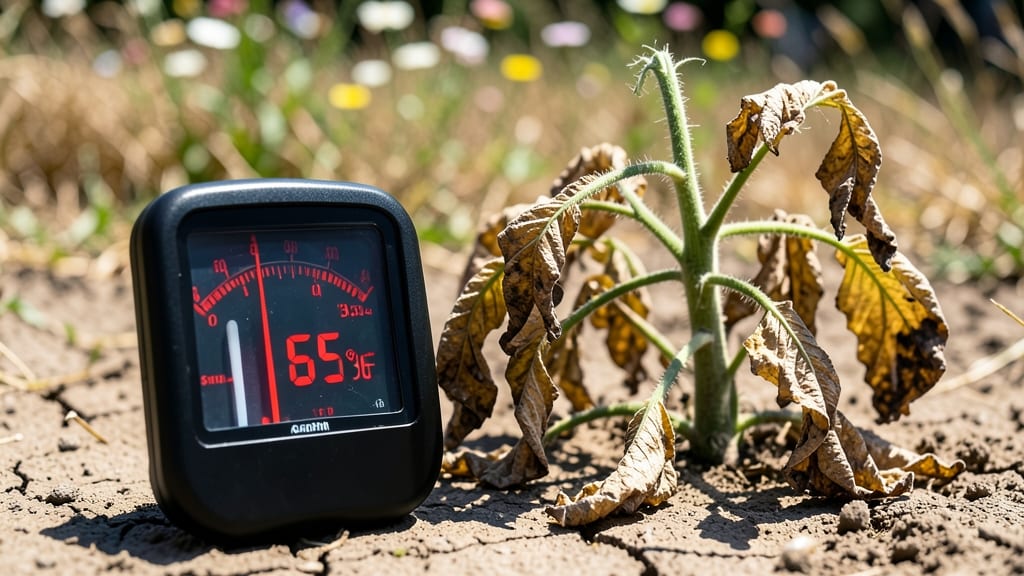
Tomato plants wilt and die when temperatures dip below 32°F or climb past 95°F for extended periods—your garden’s silent harvest thief. 🌱 I learned this the hard way when a late spring frost blackened my prized heirloom plants overnight, and summer heat turned my lush vines into crispy shadows by midsummer.
The good news? You can protect your plants with the right timing, tools, and a little foresight.
Cold damage hits fastest at 32°F or below, causing cells to rupture and leaves to turn black or mushy. Heat stress starts at 86°F, but prolonged exposure above 95°F shuts down pollination and fruit set.
If you’re in USDA Zones 3-7, early season frosts are the bigger threat, while Zones 8-10 face heat-related decline more often. The key is monitoring forecasts and acting before symptoms appear—yellowing leaves, wilting, or blossom drop are your first warnings.
With mulch, shade cloth, and strategic watering, you can push those thresholds higher. A 3-4 inch layer of straw keeps roots 5-10°F warmer at night, while 30% shade cloth during heatwaves prevents leaf scorch.
Even a simple black plastic mulch raises soil temps by 10°F, helping cold-sensitive varieties like Cherokee Purple survive longer. And don’t overlook the power of timing—plant heat-tolerant varieties like Solar Fire or Heatmaster in hot climates, and opt for early maturing types in cooler zones.
If damage already happened, don’t give up. Prune back dead foliage, water deeply at sunrise to cool roots, and move potted plants to shade. For frost damage, cover plants with row covers at night and remove them during the day to prevent overheating.
Recovery takes time, but with these tricks, you’ll keep your tomatoes thriving—no matter what Mother Nature throws their way.
📚 In This Guide
- What you need
- Instructions
- Tips and common mistakes
- Wrapping up and next steps
What you need
- ● Thermometer: A digital outdoor thermometer (with max/min tracking) or a soil thermometer (for root-zone temps). Spec: Range of -4°F to 122°F (-20°C to 50°C).
- ● Shade cloth: 30-50% shade fabric (white or silver) to reduce sunlight exposure. Size: Enough to cover 1–2 tomato plants (e.g., 3’ x 5’ panels).
- ● Drip irrigation system: Soaker hoses or micro-sprinklers with a timer (10–15 ft rolls for small gardens). Tip: Add a rain sensor to avoid overwatering.
- ● Mulch: Straw, wood chips, or black plastic mulch (2–3 inches thick) to insulate roots.
- ○ Fan (optional but helpful): A 12V USB clip fan (for seedlings) or a small oscillating fan (for heat stress relief).
- ● Tomato plants: Healthy, established plants (avoid transplanting in extreme heat; wait for temps <85°F/29°C during the day).
- ● Water source: Hose with adjustable nozzle or a 5-gallon watering can for manual checks.
- ● Pruning tools: Bypass pruners (for removing heat-damaged leaves) and gardening gloves.
- ● Emergency supplies: Compost or worm castings (to revive stressed plants) and mycorrhizal fungi (for root resilience).
- ● 🌡️ Check temps early: Monitor soil temperature (ideal: 70–85°F/21–29°C). Roots suffer before leaves!
- ● ✨ DIY shade hack: Use old bedsheets or white towels draped loosely over plants if shade cloth isn’t available.
- ● 🎯 Heatwave readiness: Keep a notebook to track daily highs/lows and plant responses.
Understanding tomato plant heat limits: how to protect your plants
Here's how to recognize and respond to dangerous heat before it's too late.
☀️ Step 1: Identify Critical Heat Thresholds for Tomatoes
Tomatoes begin stressing at 90°F and suffer irreversible damage when soil temperatures exceed 95°F. The leaves first show signs at 95°F days/75°F nights—edges curl upward, then yellow, and finally brown. This is your warning to act immediately. I always monitor my garden with a maximum-minimum thermometer placed at plant height.
Nighttime temperatures above 85°F prevent proper recovery, while daytime highs above 100°F cause protein breakdown in leaves. Watch for sunburned patches (white or grayish areas) on exposed fruit—this means the plant's protective wax layer has been compromised. These thresholds vary slightly by variety, but heirlooms are far more sensitive than heat-tolerant hybrids like 'Heatmaster' or 'Solar Fire'.
💧 Step 2: Implement Immediate Cooling Strategies
For sudden heat spikes, shade cloth (30-50%) is your first defense. I drape mine loosely over plants to allow airflow while blocking 20-30% of sunlight. Water deeply at soil level during the hottest part of day—1-2 gallons per plant—to raise humidity and cool roots. Avoid wetting leaves, which concentrates sunlight and causes burns.
Mulch heavily with 3-4 inches of straw or wood chips to keep soil temperatures 10°F cooler than ambient air. I've seen soil temps drop 15°F within hours after applying fresh mulch. For container plants, move them to shaded areas or place pots on dampened burlap to absorb heat. Never use plastic pots—they bake roots in extreme heat.
✂️ Step 3: Adjust Plant Care During Heat Waves
Reduce watering frequency but increase volume—deep soakings every 3-4 days encourage deep root growth that withstands heat better. I water early morning (5-7 AM) to minimize evaporation and fungal risks. Fertilize with low-nitrogen, high-potassium (5-10-10 ratio) to strengthen cell walls against heat stress. Avoid fresh nitrogen during heatwaves—it accelerates leaf growth and weakens plants.
Prune suckers aggressively during heat to reduce the plant's energy demands. I remove all but 3-4 main stems to focus resources on fruit production. For established plants, hand-pollinate flowers by gently shaking plants in the morning—heat reduces bee activity and natural pollination rates drop by 50%+ when temps exceed 90°F.
🌱 Step 4: Recognize Permanent Damage Signs
If leaves wilt permanently (don't recover overnight) or develop brown, crispy edges, the plant has suffered irreversible heat shock. Check for blossom end rot (black, sunken spots on fruit) caused by calcium uptake failure during heat stress. In these cases, remove affected leaves and fruit immediately to redirect the plant's energy.
Root damage shows as sudden wilting even with adequate water or yellowing between leaf veins. If you see these signs, transplant the plant to a cooler microclimate immediately. For container plants, move them to a shaded garage or basement (with indirect light) until temps drop below 85°F. Most heat-stressed plants recover within 7-10 days if given proper care.
Tips & tricks for protecting tomato plants in extreme heat
Real talk: I've lost tomato plants to heat stress before, and it's heartbreaking. These are the lessons I learned that'll help you identify danger zones and act before it's too late.
Heat Stress Timeline: The critical warning signs start at 90°F ambient temperature, but irreversible damage begins when soil temperatures hit 95°F. That's why I place my thermometer at both plant height and soil level—leaf symptoms appear first, but root damage happens below ground. Watch for edges curling upward at 95°F days/75°F nights, then yellowing, then browning. That's your 24-hour window to act before permanent damage occurs.
Shade Strategy: When temps approach 100°F, I don't wait for the damage—I immediately deploy 30-50% shade cloth draped loosely to allow airflow. The key is blocking 20-30% of sunlight while keeping air moving. I've seen plants recover completely when caught early, but the moment that protective wax layer on fruit gets compromised (you'll see white/grayish patches), the damage is done. That's why I check fruit daily during heatwaves.
Root Zone Focus: The 3-4 inches of mulch I apply isn't just decoration—it creates a 10-15°F cooler microclimate at the roots where the real action happens. I use straw because it breaks down slowly and keeps moisture locked in. For container plants, I've had success placing pots on dampened burlap—it absorbs heat like a sponge. And never, ever use plastic pots in extreme heat—they act like ovens for your roots.
Pollination Hack: When temps exceed 90°F, bee activity drops by 50%+ and natural pollination nearly stops. I hand-pollinate by gently shaking plants in the morning when flowers are open. This simple 30-second shake every other day keeps fruit production going. I also prune aggressively, keeping only 3-4 main stems to focus the plant's energy on what's already there rather than growing new leaves.
Pro Tips for What Temp Do Tomato Plants Die
- Real talk: I've lost tomato plants to heat stress before, and it's heartbreaking.
- Heat Stress Timeline: The critical warning signs start at 90°F ambient temperature, but irreversible damage begins when soil temperatures hit 95°F.
- Shade Strategy: When temps approach 100°F, I don't wait for the damage—I immediately deploy 30-50% shade cloth draped loosely to allow airflow.
Frequently asked questions
Got questions about keeping your tomato plants thriving in the heat? You’re not alone! Here are some of the most common concerns—and answers—to help you protect your harvest before temperatures get deadly.
What’s the exact temperature that kills tomato plants?
Tomato plants start struggling at 90°F (32°C) and can die from prolonged exposure to 104°F (40°C) or higher. Heat stress causes wilting, leaf scorch, and fruit drop. If temps stay above 95°F (35°C) for days, roots and leaves may permanently damage—even if nighttime temps drop.
How long can tomato plants survive in extreme heat?
Most tomato varieties can tolerate brief spikes above 90°F, but continuous exposure for 3+ days risks permanent harm. Heat-loving varieties like ‘Heatmaster’ or ‘Solar Fire’ may handle 100°F (38°C) better, but even they’ll suffer without shade, water, and airflow. Pro tip: Monitor temps with a thermometer and act fast if heat lingers!
Can I save a tomato plant already wilting from heat?
Yes! First, move it to shade (a tarp or cloth) and water deeply at the base (not leaves) to cool roots. Trim damaged leaves to reduce stress, and avoid fertilizing until recovery. If roots are mushy or black, the plant may be beyond saving—but new growth often returns in 1–2 weeks with care.
What’s the best way to protect tomato plants from heat?
Use these low-cost tricks to buy time:
- Shade cloth (30–50% coverage) to block direct sun.
- Mulch (straw or grass clippings) to keep soil cool and moist.
- Drip irrigation (early morning) to hydrate roots without wetting leaves.
- Reflective mulch (aluminum foil or white plastic) to bounce heat away.
For extreme heat, consider container gardening—pots heat up faster but let you relocate plants easily.
Will my tomatoes still ripen if the plant dies from heat?
If the plant is dead but green tomatoes are still on the vine, they’ll ripen off the plant in 1–2 weeks indoors (place in a paper bag with a banana for ethylene gas). However, if the fruit drops early (blossom-end rot or sunscald), it won’t ripen—so prevention is key!
Bonus: What’s the ideal temperature range for tomato growth?
Tomatoes thrive in 70–85°F (21–29°C) day temps and 60–70°F (15–21°C) nights. Below 50°F (10°C), growth stalls; above 90°F (32°C), stress begins. Use row covers for spring/frost or shade nets for summer to stay in this sweet spot.
Wrapping up and next steps
Understanding the critical temperature thresholds for tomato plants—typically above 95°F (35°C)—can mean the difference between a thriving harvest and a lost one. 🌡️ With the right strategies like shade cloth, mulching, and proper watering, you can protect your plants and extend their growing season.
Don’t let heat stress steal your tomatoes—stay proactive and keep those vines happy!
Next step: Try a simple heat test on your garden this week—monitor temps and adjust care accordingly. Your future salads (and taste buds) will thank you!