
Lawn
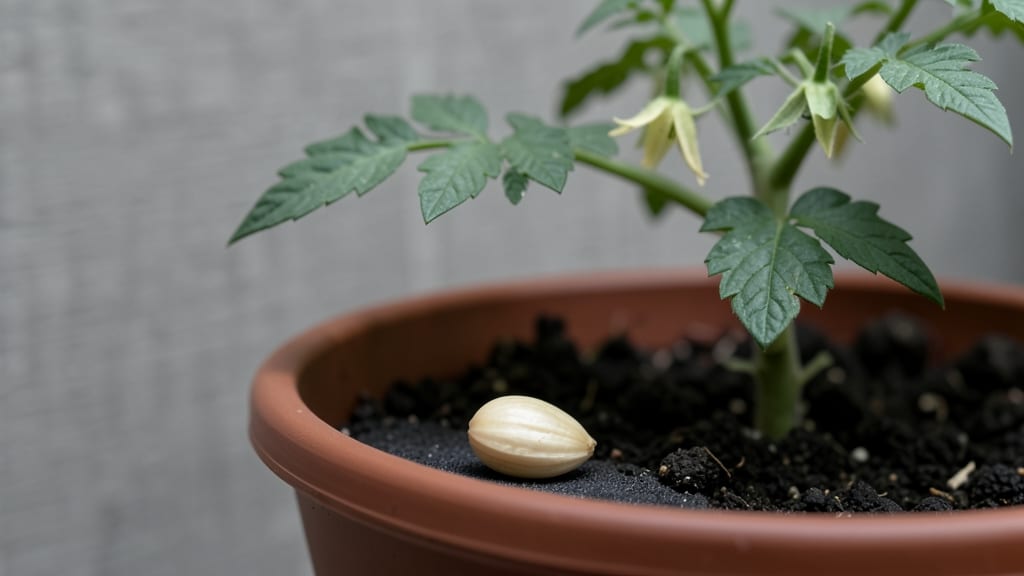
Tomato seeds look like tiny oval shapes with swirling patterns that hold the promise of your next harvest 🍅 — but if you’ve ever stared at a handful and wondered, "Are these even the right ones?" you’re not alone.
Those delicate, often white or tan seeds with their intricate designs aren’t just pretty—they’re packed with genetic instructions for the tomato plants you’ll grow. Whether you’re saving seeds from your garden or buying them online, knowing what to look for can save you from wasted effort and disappointment.
In this guide, I’ll break down the key traits that separate healthy tomato seeds from damaged ones, including size, color, and those famous swirls. You’ll also learn how to spot signs of viability so you can confidently start your plants with the best chance of success.
By the end, you’ll be able to identify tomato seeds with ease and understand why those little patterns matter—because the right seeds mean the difference between a thriving garden and a sad, empty vine.


Tomato seed anatomy: identifying size, shape, and color variations
When you crack open a ripe tomato, you’ll find those tiny, gel-coated seeds nestled in the pulp. These aren’t just random specks—they’re packed with clues about the plant they’ll grow into.
Understanding their size, shape, and color helps you predict whether you’re dealing with a heirloom or hybrid variety before you even plant them.
Most tomato seeds measure between 0.1 to 0.2 inches in length, resembling tiny flat ovals or teardrops. Under a magnifying glass, you’ll notice intricate patterns—some seeds have swirling designs, while others feature speckled dots.
These patterns aren’t just decorative; they’re genetic markers tied to the plant’s growth vigor and flavor profile.
| Seed Trait | Heirloom Varieties | Hybrid Varieties | Microscopic Features |
|---|---|---|---|
| Size (length) | 0.15–0.25 inches | 0.1–0.2 inches | Ridged edges, gel coating visible |
| Shape | Flat oval or teardrop | Slightly curved, smoother edges | Spiral vascular patterns |
| Color | Cream to light tan | Off-white to dark brown | Gel residue clings to surface |
| Pattern | Swirls, speckled dots | Minimal or uniform texture | Faint ridges under magnification |
| Gel Coating | Thick, sticky residue | Thin or absent in hybrids | Contains natural fungicides |
Heirloom tomato seeds often stand out with their larger size and distinctive swirls. Varieties like Brandywine or Cherokee Purple produce seeds with cream-colored hues and intricate patterns that can be seen with the naked eye.
In contrast, hybrid seeds, such as those from Celebrity or Early Girl, tend to be smaller, smoother, and lack pronounced markings.
Color plays a crucial role in seed identification. Fresh tomato seeds are typically off-white or tan, but they darken to brown or black as they dry. This color shift is natural and doesn’t affect germination.
However, if you notice unusual discoloration, like green or moldy spots, it’s a red flag that the seeds may be non-viable.
Under a microscope, tomato seeds reveal even more secrets. The gel coating you see when you first extract them contains natural fungicides that protect the seed during germination. Heirloom seeds often have a thicker gel layer, while hybrids may have a thinner, less sticky coating.
This difference can influence how easily you can clean and store the seeds for future planting.
Shape also varies subtly between varieties. Heirloom seeds tend to be flatter and wider, while hybrid seeds are more compact and curved. This isn’t just a cosmetic difference—it can hint at the plant’s root structure.
For example, determinate varieties (like Roma) often produce seeds that are slightly rounder, correlating with their bushier growth habit.
How to tell healthy tomato seeds from damaged or inferior ones
Identifying healthy tomato seeds is the first step to growing strong plants. A healthy seed feels firm to the touch and maintains its natural shape. When you hold them between your fingers, they should feel slightly dense and plump, not hollow or brittle.
Fresh tomato seeds often have a gelatinous coating that protects them while still inside the fruit. This coating is a good sign of viability and freshness. If you're working with seeds that have dried out, this coating may be gone, but the seed itself should still look intact.
- Firm texture – Doesn’t crush easily
- Smooth surface – No cracks or indentations
- Uniform color – Cream, tan, or brown (no dark spots)
- Gel coating – Fresh seeds often retain it
- No mold – No fuzzy growth or discoloration
- Soft or mushy – Sign of internal damage
- Cracks or holes – Compromised seed coat
- Dark spots – Fungal growth or decay
- Discolored – Uneven or grayish hues
- Empty feeling – Lightweight or hollow
One of the easiest ways to check seed quality is by the color. Healthy tomato seeds are typically cream, tan, or light brown. If you notice dark spots, black mold, or grayish hues, these are red flags for inferior seeds that won’t germinate well.
For a quick test, try the float test: Place seeds in a glass of water. Healthy seeds will sink to the bottom within a few seconds, while damaged or empty seeds will float. This simple method helps you separate viable seeds from those that won’t sprout.
Always store your seeds in a cool, dry place to maintain their quality. If you’ve saved seeds from last year’s tomatoes, inspect them carefully before planting, as older seeds may lose viability over time.
With these tips, you’ll know exactly which seeds are worth planting and which to discard. Happy gardening!