
Companion Plants
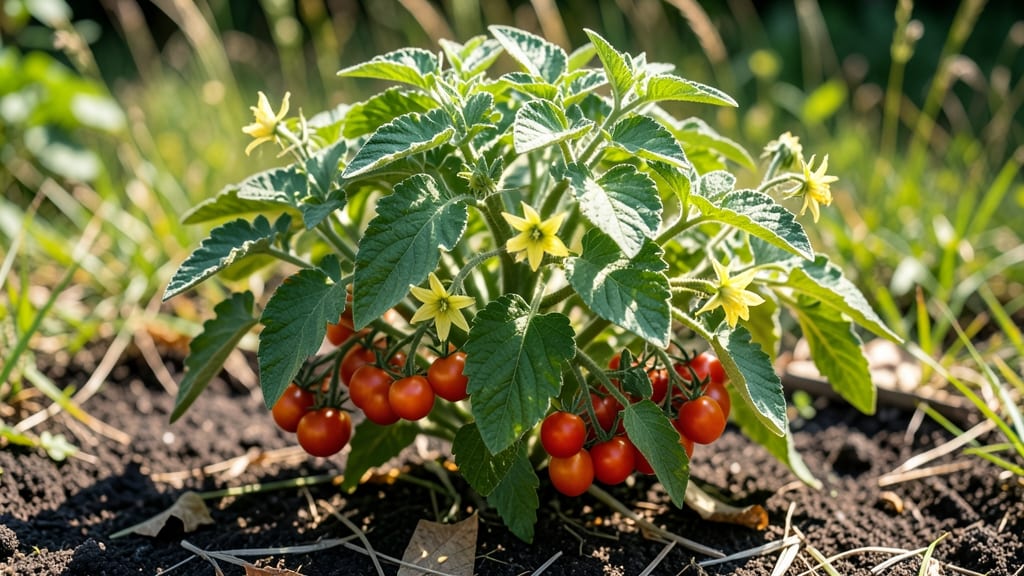
Tomatoberry tomato plants deliver sweet-tart fruits that taste like a cross between tomatoes and berries—nothing like your average garden tomato. 🌱 I grew my first batch last summer, and the moment I bit into that first juicy, flavor-packed fruit, I was hooked.
These hybrids thrive where regular tomatoes struggle, producing pound after pound of fruit even in less-than-perfect conditions.
Start with well-draining soil rich in organic matter and plant in full sun (at least 6-8 hours daily). Space them 24-36 inches apart—they sprawl like vines but pack serious fruit production.
Unlike standard tomatoes, tomatoberries handle cooler nights better, making them perfect for Zone 5-9 gardeners who want a longer harvest window. Just avoid soggy soil, or you’ll risk blossom-end rot.
Prune aggressively to focus energy on fruit production—remove suckers regularly and stake or trellis them early. Feed with balanced fertilizer every 3-4 weeks, and watch those clusters of cherry-sized fruits swell.
Harvest when they’re fully colored but still firm (usually 60-70 days after transplanting), and expect 50+ pounds per plant in ideal conditions.
These aren’t just pretty—they’re versatile. Use them fresh in salads, roast them for sauces, or freeze them for winter. The secret? Plant two varieties for cross-pollination (like ‘Tomatoberry’ and ‘Sun Gold’), and you’ll get even sweeter, more complex flavors. Trust me, your taste buds—and your neighbors—will thank you.
📚 In This Guide
- What you need
- Instructions
- Tips and common mistakes
- Wrapping up and next steps
What you need
- ● Tomatoberry seeds or seedlings: 3–5 plants (choose disease-resistant varieties if possible).
- ● Well-draining potting mix: 5–10 gallons (look for a blend with compost or coconut coir).
- ● Containers or garden bed: For containers: 5-gallon pots or larger (1 plant per container).
- ● For in-ground planting: A sunny spot with loose, fertile soil (6’ x 6’ per plant).
- ● Fertilizer: Balanced organic fertilizer (10-10-10 or compost tea).
- ● Support system: Cages, stakes, or trellises (6–8 ft tall).
- ● Mulch: Straw or shredded leaves (2–3 inches thick).
- ● Trowel or hand shovel.
- ● Garden gloves (to protect your hands).
- ● Watering can or hose with a gentle spray nozzle.
- ● Pruning shears (for trimming and harvesting).
- ○ pH testing kit (optional but helpful for soil health).
- ● Full sun exposure (6–8 hours daily).
- ● Warm soil temperature (60°F+ for planting).
- ● Access to water (consistent moisture is key!).
- ● Companion plants (basil, marigolds, or nasturtiums to deter pests).
- ● Row covers (for early-season protection).
- ● Drip irrigation system (for automated watering).
Step-by-Step guide to growing tomatoberry tomato plants
Here's how to cultivate these hybrid powerhouses for maximum fruit production.
🌱 Step 1: Select and Prepare Your Planting Site
Tomatoberries thrive in full sun (at least 6-8 hours daily) and well-draining soil with a pH between 6.0-6.8. I always test my soil first—these plants are sensitive to both extremes. If your soil is heavy clay, amend it with 2-3 inches of compost mixed into the top 12 inches before planting.
Choose a location with good air circulation to prevent fungal diseases like early blight. I space my plants 24-36 inches apart in rows 3 feet apart to allow for proper airflow and future growth. Avoid planting where tomatoes or related plants (peppers, eggplants) grew last year—this prevents soil-borne diseases from carrying over.
🌿 Step 2: Plant Transplants at the Right Time
Wait until after the last frost date and soil temperatures reach at least 60°F before transplanting. Cold soil slows root development and makes plants susceptible to rot. I use a soil thermometer to confirm—these hybrids don't tolerate chilly starts.
Dig holes twice as wide as the root ball but no deeper. Gently remove the plant from its container, loosen any circling roots, and place it in the hole so the top of the root ball sits 1 inch below soil level. This encourages stronger root growth. Backfill with soil and water deeply to eliminate air pockets.
☀️ Step 3: Provide Support and Consistent Care
Tomatoberries grow 4-6 feet tall and need sturdy support. I install 5-6 foot cages or strong stakes at planting time to avoid damaging roots later. Tie the main stem loosely to the support with soft plant ties, leaving room to grow—tight ties will girdle the stem as it thickens.
Water deeply 2-3 times per week, aiming for 1-1.5 inches of water total. Let the top 2 inches of soil dry between waterings to prevent blossom-end rot. I always water in the early morning to reduce evaporation and fungal risks. Mulch with 2-3 inches of straw to retain moisture and suppress weeds.
✂️ Step 4: Prune and Fertilize for Maximum Production
Pinch off the first flower cluster that appears to encourage stronger stem development. Once the plant reaches 18 inches tall, begin pruning suckers (the shoots that grow in the leaf axils) to direct energy to fruit production. I remove suckers weekly—they compete with fruit for nutrients.
Fertilize with a balanced 10-10-10 formula at planting, then switch to a low-nitrogen, high-phosphorus fertilizer (like 5-10-10) when flowers appear. I side-dress with compost every 4-6 weeks to maintain steady nutrition without burning the roots.
🍅 Step 5: Harvest and Extend the Season
Tomatoberries ripen 60-70 days after transplanting, but I start checking for color changes in late summer. Harvest when the fruit turns deep red and yields slightly to gentle pressure. Use pruning shears to avoid damaging the plant—twisting stems can introduce disease.
To extend the harvest, cover plants with frost blankets when nighttime temperatures drop below 50°F. These hybrids tolerate light frosts better than most tomatoes, but fruit won't ripen properly in cold conditions. I always pick green fruit and finish ripening indoors on a sunny windowsill.
Tips & tricks for perfect tomatoberry tomato plants
These small details make all the difference between a decent harvest and a garden full of vibrant tomatoberries.
Soil Preparation: Before amending your soil with compost, mix in a handful of egg shells (crushed) around each planting hole. The calcium helps prevent blossom-end rot, a common issue with these hybrids. I also add a sprinkle of wood ash to raise the pH slightly if my soil tests below 6.0—these plants are sensitive to acidic conditions. The 2-3 inches of compost mentioned in Step 1 should be well-aged to avoid nitrogen burn, which can stunt root growth.
Transplanting Technique: When handling those delicate roots in Step 2, I recommend soaking the root ball in water for 10 minutes before transplanting. This helps prevent transplant shock and encourages faster root establishment. After planting, water again immediately to settle the soil around the roots—this eliminates air pockets that can cause wilting. The 1-inch depth for the root ball is crucial; planting too deep can lead to stem rot.
Support System: For the 4-6 foot cages mentioned in Step 3, I prefer galvanized steel over plastic—they last longer and provide better support. When tying the main stem, use soft plant ties and check them weekly, as tomatoberry stems thicken rapidly. If you notice any yellowing leaves after supporting, it could indicate over-tightening or nutrient deficiency—loosen the ties and check your fertilizer schedule.
Harvesting Insight: The 60-70 day window for ripening is a guideline, but I always check for color changes starting at day 55. These hybrids ripen faster in warm climates. When harvesting, pick in the morning when fruit is coolest—this preserves flavor and texture. If you notice fruit cracking, reduce watering slightly and mulch thicker (up to 3 inches) to stabilize soil moisture.
Pro Tips for Tomatoberry Tomato Plants
- These small details make all the difference between a decent harvest and a garden full of vibrant tomatoberries.
- Soil Preparation: Before amending your soil with compost, mix in a handful of egg shells (crushed) around each planting hole.
- Transplanting Technique: When handling those delicate roots in Step 2, I recommend soaking the root ball in water for 10 minutes before transplanting.
Frequently asked questions
Got questions about growing tomatoberry tomato plants? You’re not alone! Here are some of the most common queries—and their answers—to help you cultivate a thriving harvest with confidence.
What’s the difference between tomatoberries and regular tomatoes?
Tomatoberries are small, cherry-like fruits (often 1–2 inches) that resemble Solanum lycopersicum var. cerasiforme. Unlike beefsteak or Roma tomatoes, they’re sweeter, more aromatic, and perfect for snacking or sauces. Their hybrid vigor also means higher yields and disease resistance!
How long does it take for tomatoberry plants to produce fruit?
With proper care, tomatoberry plants typically start flowering in 6–8 weeks after transplanting and produce fruit in 8–10 weeks. Early varieties (like ‘Sweet 100’) may bear fruit even faster—sometimes in as little as 50–60 days from seed! Patience pays off, though—cool weather can delay fruiting.
Can tomatoberries grow in containers, and what size pot do they need?
Tomatoberries thrive in containers as long as the pot is at least 12–18 inches deep and wide enough to support 2–3 plants (or one bushy variety). Use well-draining soil, and add a tomato cage or trellis for support. Just ensure the pot gets 6+ hours of sunlight daily.
Why are my tomatoberry leaves yellowing or curling?
Yellowing leaves often signal overwatering, nutrient deficiency (like nitrogen), or pests (e.g., aphids, spider mites). Check soil moisture—it should be damp but not soggy. For curling, inspect undersides for pests; a mild neem oil spray can help. If the issue persists, test soil pH (ideal: 6.0–6.8) and amend with compost.
Are tomatoberries good for sauces, or should I stick to slicing tomatoes?
Tomatoberries are fantastic for sauces! Their concentrated sweetness and low acidity make them ideal for quick-pickled relishes, salsas, or even homemade tomato paste. Blend 1–2 cups with basil, garlic, and olive oil for a gourmet jam or reduction. Just remove seeds for smoother textures if desired.
Can I grow tomatoberries in cool climates, or do they need heat?
Tomatoberries tolerate cooler temps better than most tomatoes but still need at least 70°F+ for optimal growth. Start seeds indoors 6–8 weeks before last frost and use black plastic mulch or row covers to extend the season. Varieties like ‘Tumbling Tom’ are great for short seasons—they ripen faster and handle light frosts better.
Wrapping up and next steps
Growing tomatoberry tomato plants unlocks a world of hybrid vigor, blending the best of tomatoes and berries for a burst of flavor and productivity.
Whether you're a seasoned gardener or just starting, these hardy plants reward patience with abundant, unique harvests—perfect for fresh eating, preserving, or sharing with neighbors. 🌱
Ready to dive in? Start small—pick a sunny spot, gather your supplies, and let these resilient hybrids thrive! Experiment with companion plants (like basil or marigolds) to boost growth, and soon, you’ll be savoring homegrown goodness year after year.