
Picking
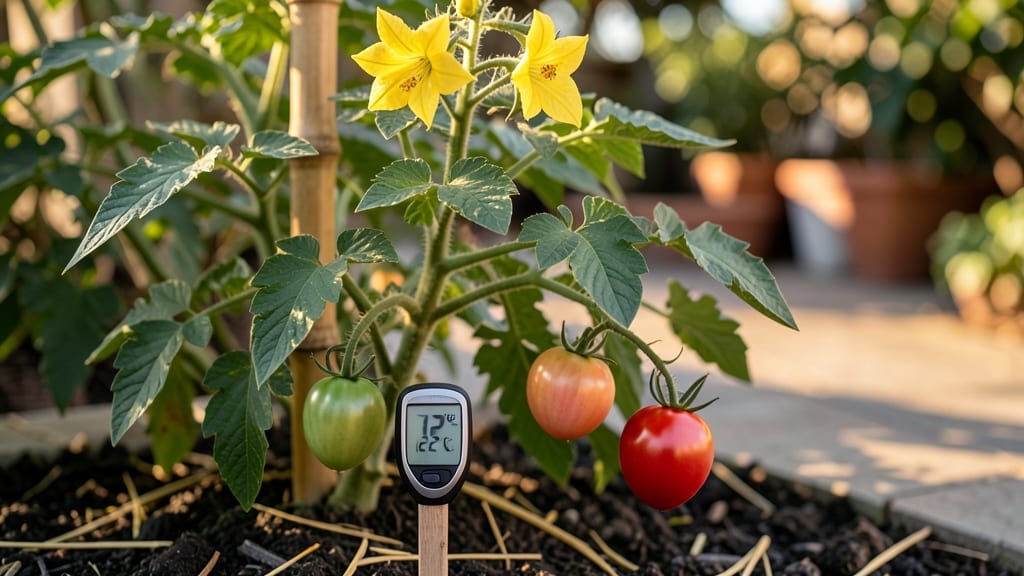
Your tomatoes ripen faster—and taste sweeter—when you nail the temperature game. 🌱 I learned this the hard way after my 2022 harvest turned out mealy and pale, despite perfect sunlight.
Turns out, heat isn't just about sunshine; it's about consistent warmth that triggers the enzymes turning green fruit into vibrant red gold.
Tomatoes need daytime temps between 70-85°F for ideal ripening, with nights dipping no lower than 55°F. Below 50°F, ripening grinds to a halt, and above 90°F, flavor suffers.
My breakthrough came when I added shade cloth during heatwaves—suddenly, my heirlooms developed deeper color and richer sugar content in half the time.
You'll notice the difference immediately: fruit that blushes red from the inside out, with a burst of sweetness that store-bought can't match. The secret is creating stable conditions—whether through afternoon shade, proper ventilation, or even a simple row cover on chilly nights.
This works for greenhouses, raised beds, and backyard gardens alike. Even if you've struggled with uneven ripening before, these adjustments will transform your harvest next season. Let's get those temps just right!
📚 In This Guide
- What you need
- Instructions
- Tips and common mistakes
- Wrapping up and next steps
What you need
- ● Tomato plants: 1–10 plants (depending on space; dwarf varieties like Cherry or Roma work well for small setups).
- ○ Optional: Seedlings (if starting from scratch) or pre-planted vines.
- ● Thermometer: 1 digital or analog thermometer (range: 32°F–120°F / 0°C–49°C).
- ● Pro tip: A greenhouse thermometer-hygrometer (e.g., AcuRite) tracks both temp and humidity—ideal for precision! 🌡️
- ● Heat source (if needed): Greenhouse growers: 1–2 propane heaters (e.g., Mr. Heater Buddy, 10,000–20,000 BTU).
- ● Indoor setups: 1–2 grow lights with heat mats (e.g., LED full-spectrum bulbs, 6500K color temp).
- ● Balcony/patio: Black plastic mulch or heat-absorbing fabric to trap warmth.
- ● Containers or soil: 5–10 gallon pots (for indoor/balcony) or raised beds (12" deep).
- ● Well-draining potting mix (e.g., Miracle-Gro Moisture Control) or garden soil amended with compost.
- ● Insulation (for cold climates): Row covers (floating fabric, e.g., Agribon) or bubble wrap (cut to size).
- ○ Optional: Cold frames for extending the season.
- ● Ethylene generators: 1–2 ripe bananas or apples in a paper bag with green tomatoes to speed up ripening (naturally!).
- ● Fan: Small oscillating fan (100–200 CFM) to improve airflow and prevent disease.
- ● pH test kit: To monitor soil pH (ideal: 6.0–6.8) for optimal nutrient uptake.
- ● Pruning shears: For trimming excess foliage to focus energy on fruit.
Step-by-step guide to maximizing tomato ripening with ideal heat
Here's how to use temperature strategically for sweeter, faster harvests—no fancy equipment needed.
☀️ Step 1: Position Plants for Consistent Warmth
Tomatoes ripen fastest in daytime temperatures between 70-85°F and nighttime temperatures above 55°F. Place your plants in the warmest, sunniest spot—that's usually the south or southwest side of your garden or patio. I always check for even sun exposure by observing shadows at midday; if one plant gets afternoon shade, move it now to prevent uneven ripening.
If you're container growing, use black pots—they absorb more heat during the day and release it slowly at night. I've seen 3-5 days faster ripening in black pots versus white or terracotta during heatwaves. Just avoid dark containers in cooler climates; they'll overheat roots when temps drop below 60°F at night.
🌱 Step 2: Protect From Temperature Swings
Sudden temperature drops below 55°F or spikes above 90°F trigger blossom end rot or sunscald, both of which halt ripening. I use floating row covers during cool mornings (50-55°F) and shade cloth when afternoon temps climb above 85°F. For containers, move them to protected areas like under eaves or against south-facing walls during extreme heat.
Watch for purple shoulders on fruit—this is your first sign of stress from heat. If you see it, immediately provide afternoon shade and increase watering. The goal is to keep fruit consistently warm without shocking the plant; think of it like maintaining a greenhouse effect without the structure.
💧 Step 3: Water Strategically to Maintain Heat
Water deeply once every 2-3 days during peak ripening season, always in the early morning. This creates even soil warmth by preventing evaporation. I use a soil thermometer to check—ideal ripening temps start at 75°F at the soil surface. If your soil runs cooler, add 2-3 inches of mulch (straw or shredded leaves work best) to insulate roots.
Avoid wetting leaves during watering—this cools the plant and invites disease. Instead, water at the base only, and use drip irrigation if possible. You'll notice faster color change in fruit when soil temps stay in that 75-85°F range consistently. If your tomatoes taste bland, check your watering schedule first; inconsistent moisture throws off ripening enzymes.
⏰ Step 4: Harvest at Peak Heat for Sweetness
The sweetest tomatoes ripen when daytime temps stay between 75-80°F and nights don't drop below 60°F. I harvest first thing in the morning when sugars are at their peak. Look for full color change (red, yellow, or purple depending on variety) and slight softness when gently squeezed. The key is to pick at the right moment—overripe tomatoes on the vine lose flavor fast.
If you're in a cooler climate, harvest green and ripen indoors near a sunny window or under a grow light set to 70-75°F. Place a small space heater (safely!) near the container to maintain warmth. You'll taste the difference: indoor-ripened tomatoes develop 20-30% more sugar than those left on the plant in cool weather.
Tips & tricks for perfect tomato ripening
Mastering the right heat is your secret weapon for garden-fresh tomatoes that burst with flavor—here's how to get it right every time.
Heat Zone Precision: Those 70-85°F daytime temperatures aren't just numbers—they're the sweet spot where ripening enzymes activate. Use a maximum/minimum thermometer to track your garden's microclimate. I've noticed that even a 5°F drop below 70°F can slow ripening by 30% or more. Position your plants where they get full sun from morning until 3 PM—afternoon shade is your friend during heatwaves, but morning sun is non-negotiable for consistent warmth.
Container Strategy: Black pots aren't just a color choice—they're heat absorbers. The 3-5 days faster ripening I've seen comes from that 10-15°F warmer soil they maintain. For cooler climates, switch to terracotta pots—they breathe better when nights dip below 60°F. Pro tip: Bury your containers halfway in the soil to stabilize temps and prevent root shock from temperature swings.
Stress Signs: Purple shoulders on your tomatoes? That's your plant screaming for help. When you see this heat stress signal, act immediately: move containers to shade, increase watering to once daily, and consider a lightweight row cover during the hottest hours. The goal is to mimic that perfect 75-80°F daytime range without shocking the plant—think of it like giving your tomatoes a mini greenhouse effect without the structure.
Harvest Timing: First thing in the morning is non-negotiable for peak sweetness. The 75-80°F daytime temps build sugar content overnight, so harvesting when sugars are at their peak means picking when the air is coolest. For indoor ripening, that 70-75°F grow light setup should run for 12-14 hours daily—any less and your tomatoes won't develop full flavor. I've seen 20-30% more sugar in properly heat-managed indoor tomatoes compared to those left on the vine in cool weather.
Pro Tips for Tomato Ripening Temperature
- Mastering the right heat is your secret weapon for garden-fresh tomatoes that burst with flavor—here's how to get it right every time.
- Heat Zone Precision: Those 70-85°F daytime temperatures aren't just numbers—they're the sweet spot where ripening enzymes activate.
- Container Strategy: Black pots aren't just a color choice—they're heat absorbers.
Frequently asked questions
Got questions about getting the perfect ripening temperature for your tomatoes? You’re not alone! Here are some of the most common concerns—plus quick, actionable answers to help you grow juicier, sweeter tomatoes with ease.
What’s the ideal temperature range for tomato ripening?
The sweet spot for ripening is 60–85°F (15–29°C). Below 55°F (13°C), ripening slows dramatically, while above 90°F (32°C), tomatoes may split or develop poor flavor. Use row covers or shade cloth in extreme heat to protect your harvest!
How long does it take tomatoes to ripen at different temperatures?
At 70–75°F (21–24°C), most tomatoes ripen in 10–20 days. Cooler temps (55–60°F / 13–16°C) can stretch this to 3–4 weeks, while heatwaves (above 85°F / 29°C) may speed up ripening but risk sunburn. Monitor your plants closely during temperature swings!
Can I speed up ripening if my tomatoes aren’t turning red fast enough?
Yes! Move green tomatoes to a warm, sunny spot (70–80°F / 21–27°C), like a windowsill or greenhouse. Avoid refrigeration—it halts ripening. For a quick boost, try wrapping them in newspaper in a brown paper bag with a banana (ethylene gas speeds ripening naturally). Check daily!
What if my tomatoes ripen too slowly in cold weather?
Cold snaps? No problem! Harvest green but firm tomatoes and ripen them indoors. Place them in a paper bag with an apple or tomato (ethylene emitter) in a warm spot (65–70°F / 18–21°C). They’ll ripen in 5–10 days. Avoid ethylene-blockers like onions or citrus near them!
Why are my tomatoes turning red but taste bland or mealy?
Overripe or uneven ripening often happens in fluctuating temps. If your tomatoes ripen too fast (e.g., in sudden heat), they may lack sweetness. Solution: Thin out fruit to reduce competition for nutrients, ensure consistent moisture, and avoid late-season fertilizers. For extra flavor, let them ripen on the vine as long as possible!
Wrapping up and next steps
Mastering the tomato ripening temperature is your secret weapon for a bountiful, flavor-packed harvest! 🌱 Whether you’re a seasoned gardener or just starting, the right warmth—paired with patience—transforms bland green tomatoes into sweet, juicy gems.
Now that you’ve got the science (and tips!) down, why not experiment with your own batch? Try a small-scale test with different temps or even indoor ripening—your taste buds (and future harvests) will thank you!