
Companion Plants
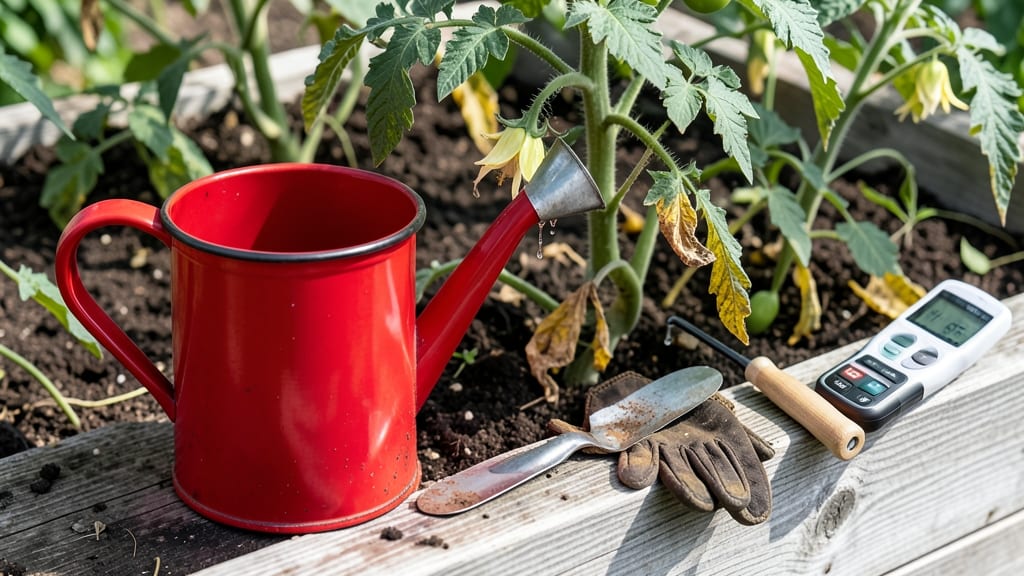
Tomato plants look droopy, and it’s usually a sign they’re screaming for help—not just a phase they’ll grow out of. 🌱 I’ve seen my own vines go from perky to pathetic in a single afternoon, and the fix is almost always simpler than you’d think.
The key is figuring out whether your plants need water, shade, or a complete overhaul of their care routine. Overwatering is the #1 culprit, followed by heat stress and pests hiding in plain sight.
I learned the hard way that soggy soil and wilting leaves often mean the same thing: roots can’t breathe. A quick check of the soil’s moisture and a peek under the leaves for hungry bugs will point you in the right direction.
Within hours of adjusting watering or pruning back damaged foliage, you’ll see those vines perk up again. The secret is acting fast—tomatoes bounce back faster than you’d expect when you address the root cause (literally).
By the end of the day, you’ll have a plan to revive them and keep them thriving.
Start by sticking your finger an inch into the soil—if it’s damp, hold off on watering and check for pests like aphids or spider mites. A strong spray of water can knock them loose, and a dose of neem oil keeps them away.
For heat stress, move plants to partial shade and give them a drink in the early morning to avoid evaporation. The good news? Most droopy tomato plants recover completely once you correct the issue. Even if you’ve lost a few leaves, new growth will fill in faster than you think.
The key is consistency—tomatoes are resilient, but they need you to pay attention to their basic needs.
If the droopiness persists after a day or two, it might be time to dig deeper—literally. Root rot or disease could be at play, and that requires a different approach.
But in 90% of cases, the fix is simpler than you’d imagine. Think of it as a quick reset button for your plants.
Root Causes Behind Drooping Tomatoes
When your tomato plants start looking sad and limp, it’s usually a sign that something’s off beneath the surface—literally. Drooping leaves and vines are often your plants’ way of saying, "Hey, I need help!" Understanding the why behind the wilt is the first step to reviving them.
Below, we break down the most common culprits, from soil issues to environmental stress, with science-backed explanations to help you diagnose the problem fast.
Tomatoes are thirsty but hate soggy feet or drought conditions. Water stress—whether from overwatering or underwatering—is the #1 reason for droopy plants.
- Underwatering: Tomato plants have deep root systems that need consistent moisture. When soil dries out, roots struggle to absorb water, causing temporary wilting (leaves droop but recover when watered). Chronic underwatering leads to permanent damage as roots shrink and cells collapse.
- Overwatering: Too much water displaces oxygen in the soil, suffocating roots. This triggers anaerobic conditions, where roots can’t respire properly, leading to root rot (fungal infections like Phytophthora). Affected plants turn yellow, wilt permanently, and may smell foul.
- Inconsistent watering: Fluctuating moisture levels stress plants, causing them to drop fruit and wilt unpredictably. Tomatoes prefer deep, infrequent watering (1–2 inches per week) to encourage strong root growth.
💡 Pro Tip: Stick your finger 2 inches into the soil—if it’s dry, water deeply. If it’s muddy, hold off and improve drainage.
Tomatoes love sunlight, but extreme heat or sudden exposure can cause physiological wilting—where plants temporarily droop due to water loss through transpiration outpacing absorption.
- Midday heat stress: Temperatures above 90°F (32°C) can close stomata (pores on leaves), reducing water uptake. Plants may wilt by noon but recover in the evening.
- Sunburn: Young leaves or those suddenly exposed to harsh sun (like after pruning) can develop blistered, white patches and wilt. This is not a fungal issue—it’s sun scald.
- Poor airflow: Hot, humid conditions without circulation create a greenhouse effect, trapping moisture and inviting diseases like early blight, which causes wilting and leaf drop.
🌡️ Quick Fix: Provide afternoon shade (use shade cloth) or mulch to keep roots cool. Prune for airflow and water early in the day to reduce evaporation.
If roots are injured—whether by mechanical damage, pests, or disease—they can’t support the plant, leading to sudden wilting.
- Root pruning or transplant shock: Disturbing roots (e.g., during transplanting) severs root hairs, reducing water uptake. Plants may wilt for 1–2 weeks as new roots regrow.
- Root-knot nematodes: These microscopic worms penetrate roots, creating galls that block nutrient flow. Infested plants wilt even when watered and may have stunted growth.
- Fungal/bacterial infections: Fusarium wilt or Verticillium wilt clog xylem vessels, preventing water transport. Leaves wilt starting from the bottom and don’t recover when watered.
🔍 How to Check: Gently pull up a plant—healthy roots are white/firm. Brown, mushy, or knobby roots signal trouble.
Tomatoes are heavy feeders, and a lack of key nutrients can weaken stems and leaves, causing them to droop.
- Potassium deficiency: Potassium helps regulate water balance. Without it, cells lose turgor pressure, leading to wilting—especially in older leaves. Look for yellow edges or brown spots.
- Nitrogen deficiency: Leaves turn pale green or yellow (chlorosis) first, then stems weaken, causing droop. Nitrogen is critical for leaf and vine strength.
- Calcium deficiency (blossom end rot): While this primarily affects fruit, calcium is vital for cell wall structure. Severe deficiency can cause young leaves to cup or wilt.
💪 Fertilizer Fix: Use a balanced fertilizer (10-10-10) or potassium-rich compost. For calcium, apply crushed eggshells or lime to soil.
Pests like aphids, whiteflies, or spider mites drain sap, weakening plants and causing wilting. Their toxic saliva can also disrupt hormone signals, leading to stunted growth.
- Signs:
- Sticky residue (honeydew) on leaves
- Yellowing or curled leaves
- Visible bugs or webbing
- Impact: Heavy infestations reduce photosynthesis, causing energy deficits that manifest as wilting.
🐜 Solution: Blast off pests with water, use neem oil, or introduce beneficial insects like ladybugs.
Revive Your Tomato Plants Fast
When your tomato plants look droopy, the good news is that most issues have simple fixes—no green thumb required! Below, we’ll tackle the most common causes with step-by-step solutions, so you can get your plants perky and productive again in no time.
Signs: Yellowing leaves, mushy stems, or dry, crispy foliage.
How to Solve:
- 🔥 Check the soil moisture – Stick your finger 1–2 inches deep. If it’s soggy, you’re overwatering; if bone-dry, you’re underwatering.
- 🍳 Adjust your watering routine – Water deeply 2–3 times per week (more in extreme heat) and ensure the soil drains well. Avoid shallow, frequent watering.
- 👨🍳 Improve drainage – If your pots lack drainage holes, add a layer of gravel or perlite to the bottom. In garden beds, amend soil with compost to help it retain moisture without drowning roots.
- ⏰ Water at the right time – Early morning is best to prevent fungal diseases from evening moisture.
💡 Prevention Tip: Use a moisture meter or the "squeeze test"—gently press the soil; if it holds shape, wait to water.
Signs: Wilting during the day that recovers at night, brown or bleached patches on leaves.
How to Solve:
- 🌡️ Provide afternoon shade – Use shade cloth (30–50%) or move potted plants to a shadier spot for a few hours.
- 🥗 Boost hydration – Water deeply in the morning to help roots absorb moisture before the heat peaks.
- 🎯 Mulch like a pro – Apply 2–3 inches of straw or wood chips around the base to keep soil cool and retain moisture.
- ✨ Avoid fertilizing in extreme heat – Fertilizer can stress plants further; wait until temps drop below 85°F (29°C).
💡 Prevention Tip: Plant tomatoes where they get 6–8 hours of sun but avoid harsh midday rays in scorching climates.
Signs: Chewed leaves, sticky residue (aphids), or fungal spots (blight).
How to Solve:
- 🔪 Identify the culprit – Check leaves for holes (caterpillars), webs (spider mites), or mold (fungus).
- Pests: Spray with neem oil (1 tsp per quart of water) or introduce beneficial insects like ladybugs.
- Fungus: Remove infected leaves and spray with a baking soda solution (1 tbsp baking soda + 1 quart water + a drop of dish soap).
- 🍎 Strengthen plant defenses – Space plants properly for airflow (18–24 inches apart) and avoid overhead watering.
- 🌿 Rotate crops – If disease persists, move tomatoes to a new spot next season to break the cycle.
💡 Prevention Tip: Inspect plants weekly and act fast—pests and diseases spread quickly!
Signs: Yellowing between veins (nitrogen), purple stems (phosphorus), or weak stems (potassium).
How to Solve:
- 📊 Test your soil – A simple DIY soil test kit (available at garden centers) can reveal deficiencies.
- 💪 Fertilize smartly –
- Nitrogen (leafy growth): Use compost tea or a balanced fertilizer (10-10-10).
- Potassium (strength): Add banana peel tea or wood ash (sparingly).
- Calcium (blossom end rot): Sprinkle crushed eggshells around the base.
- 🥗 Feed at the right stage – Use low-nitrogen fertilizer when flowering/fruiting to avoid leafy growth at the expense of tomatoes.
💡 Prevention Tip: Side-dress with compost every 4–6 weeks for a steady nutrient supply.
Signs: Roots circling the pot, vines flopping over, or stunted growth.
How to Solve:
- 🍳 Repot if needed – If roots are visible above the soil or circling the pot, transplant to a larger container (1–2 inches bigger in diameter).
- 👨🍳 Add support early – Install a cage, trellis, or stakes when plants are young to prevent drooping as they grow.
- 🔪 Prune wisely – Remove suckers (side shoots) to redirect energy to fruit production, but don’t over-prune.
💡 Prevention Tip: Train vines gently by tying them to supports with soft ties (old T-shirts work great!).
If your plants are completely limp (not just droopy), act fast:
- 💦 Soak the roots – Place the pot in a bucket of water for 10–15 minutes to rehydrate.
- 🌡️ Trim dead foliage – Snip off blackened or mushy leaves to help the plant focus on recovery.
- 🌿 Move to shade – Let them recover in indirect light for a day or two.
- 🎯 Monitor closely – If they don’t perk up within 24 hours, the damage may be irreversible.
Final Thought: Most droopy tomato plants bounce back with just a little TLC—water, shade, and support go a long way! Keep an eye on your plants, and they’ll reward you with juicy, vine-ripened tomatoes in no time. 🍅✨
Frequently asked questions about droopy tomato plants
Why do my tomato plants wilt during the day but recover at night?
This is classic heat stress—your plants lose more water through transpiration than their roots can absorb during hot afternoons. Water deeply in the morning and provide afternoon shade with shade cloth (30-50%). Mulching with straw also helps retain moisture and keep roots cool.
How can I tell if my droopy tomatoes need water or are overwatered?
Stick your finger 2 inches into the soil—if it's dry, water deeply. If it's soggy and smells foul, you're overwatering. For potted plants, ensure drainage holes exist and avoid letting them sit in saucers of water. Let the top 1-2 inches dry out between waterings.
What should I do if my tomato plants are completely limp and not recovering?
This could indicate root rot or severe disease. Remove the plant from wet soil immediately, trim any blackened roots, and replant in fresh, well-draining soil. If the stems are mushy when squeezed, the damage may be irreversible—consider starting fresh with new plants.
Can I save tomato plants that have been drooping for more than a week?
Possibly! Prune away severely damaged leaves and give them a 10-minute soak in water to rehydrate. Move to partial shade and monitor closely. If new growth appears within 3-5 days, they'll likely recover. If not, the plant may be too far gone to save.
How do I prevent my tomato plants from drooping in the future?
Consistency is key! Water deeply 2-3 times per week (more in heat), use 6-8 inches of mulch, and provide afternoon shade in hot climates. Regularly check for pests and diseases, and avoid fertilizing during extreme heat. Proper spacing (18-24 inches apart) also improves airflow.