
Planting
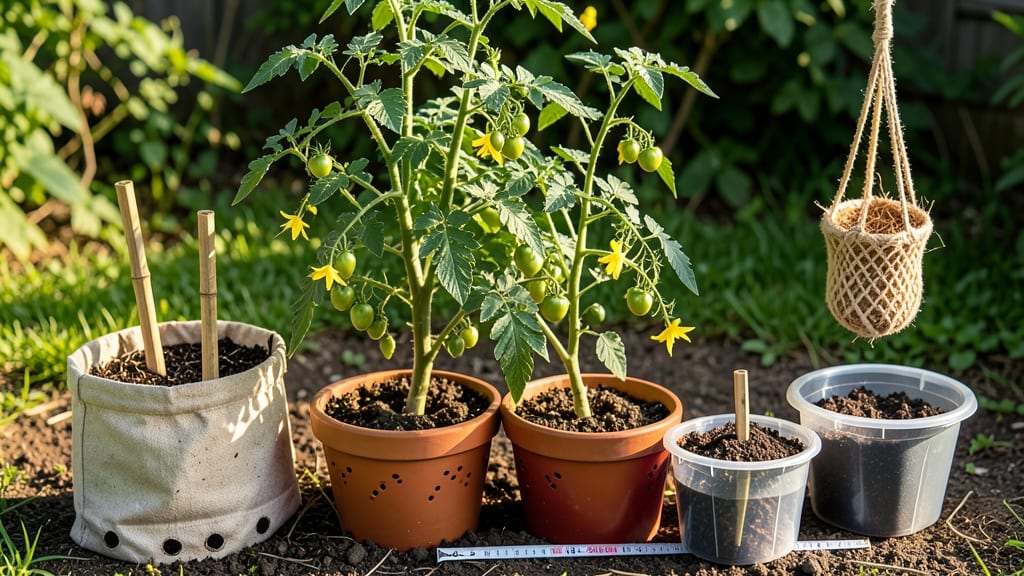
Tomato plant spacing in pots isn’t just about fitting more plants—it’s about giving each one room to thrive. 🌱 I’ve learned the hard way that cramming tomatoes into small containers leads to stunted growth, fewer fruits, and plants that topple over like drunkards after a summer storm.
The right spacing ensures strong stems, abundant blooms, and tomatoes that actually ripen before the birds get to them first.
Determinate tomatoes (the bush types) need about 18-24 inches of space between plants, while indeterminate vining varieties demand 24-36 inches—think of it like giving each plant its own personal bubble.
Pot size matters too: a 5-gallon container works for one medium tomato, but larger pots (10+ gallons) can handle two plants if you’re growing compact varieties. The deeper the pot, the better the root system can establish.
You’ll notice the difference in just a few weeks: plants with proper spacing grow taller, bushier, and more productive, while crowded plants struggle with yellowing leaves and blight. Prune suckers regularly and stake indeterminate varieties to keep them upright—this isn’t just about aesthetics, it’s about maximizing your harvest.
Whether you’re working with patio pots or raised beds, these rules apply. Overcrowding is the fastest way to turn a promising tomato season into a sad, leafy disappointment. Let’s get those plants spaced right!
📚 In This Guide
- What you need
- Instructions
- Tips and common mistakes
- Wrapping up and next steps
What you need
- ● Containers: 5-gallon pots (minimum) or larger (10+ gallons for indeterminate varieties). Ensure pots have drainage holes.
- ● Potting mix: High-quality, well-draining mix (avoid garden soil). Aim for 2-3 cubic feet per plant.
- ● Tomato seedlings or seeds: 1-2 plants per pot (depending on variety—determinate vs. indeterminate).
- ● Support structures: Cages, stakes, or trellises (for indeterminate varieties).
- ● Fertilizer: Balanced, slow-release fertilizer (e.g., 10-10-10) or organic options like compost or worm castings.
- ● Gloves (to protect your hands from thorns and soil).
- ● Trowel or small shovel (for planting and mixing soil).
- ● Watering can or hose with a gentle spray nozzle (to avoid disturbing roots).
- ● Mulch (straw or shredded leaves to retain moisture).
- ○ pH test kit (optional, to check soil acidity—ideal range: 6.0-6.8).
- ● Pruning shears (for trimming suckers or dead leaves).
How to space tomato plants in pots for maximum growth
Crowding tomatoes in containers stunts their growth and invites disease. Here's how to give them room to thrive.
🌱 Step 1: Choose the Right Pot Size for Your Variety
Determine your tomato type first—determinate plants (bush varieties) need 5-gallon pots, while indeterminate (vining) types require at least 7 gallons. I always check the seed packet or plant tag because spacing rules vary wildly. A 5-gallon pot holds about 1 cubic foot of soil, which supports one medium-sized tomato plant for a season.
For larger pots (10+ gallons), you can fit two indeterminate plants side by side if they're dwarf varieties, but watch for competition. The key is root space—if roots tangle, they'll strangle each other. I use fabric grow bags for indeterminate tomatoes because they encourage deeper root growth and prevent circling.
🪴 Step 2: Space Plants Based on Mature Size
Place one tomato plant per pot for standard-sized varieties in 5-gallon containers. If using 7-gallon pots, you can fit two small determinate plants (like 'Tiny Tim' or 'Patio Princess') with 6 inches between stems. For indeterminate types, keep spacing to 12-18 inches apart—even in large pots, they'll sprawl.
Here's my trick: mark the pot's center with a pencil before planting. For single plants, place the root ball 2 inches from the pot edge. For two plants, divide the pot into quadrants and plant each in opposite corners. This prevents root overlap and ensures both plants get equal access to nutrients and water.
☀️ Step 3: Arrange Pots for Airflow and Sunlight
Tomatoes need 6-8 hours of direct sun daily, but they also need circulation to prevent fungal diseases like blight. Space pots 12-18 inches apart in rows, leaving a 2-foot aisle between rows for maintenance. I arrange mine in a staggered pattern—like bricks—to maximize sunlight exposure for all plants.
Watch for shading issues: if one pot blocks another's light, rotate the arrangement every 2-3 days. You'll notice leaves on shaded sides turning pale or stretching toward the light. Container tomatoes also benefit from east-west orientation—this gives them morning sun to dry dew quickly and afternoon shade to prevent scorching.
💧 Step 4: Monitor Growth and Adjust as Needed
Check plant spacing every 2-3 weeks during the growing season. If vines start touching, it's time to prune or repot. For indeterminate types, I use small stakes or cages to guide growth upward, which naturally creates more space between plants. Determinate varieties rarely need pruning but may benefit from light thinning if branches crowd the pot edges.
If roots appear at the pot's surface or leaves yellow between waterings, your tomato has outgrown its container. Upgrade to a larger pot immediately—root-bound tomatoes produce fewer fruits and are more susceptible to stress. I've seen 'Better Boy' tomatoes recover from being root-bound, but they never perform as well as when properly spaced.
✂️ Step 5: Prune for Better Air Circulation
Regular pruning keeps plants open and airy, which reduces disease risk. Remove suckers (the small shoots that form in the leaf axils) when they're no bigger than a pencil. I use clean, sharp pruners and make cuts at a 45-degree angle just above a leaf node to encourage new growth.
For indeterminate tomatoes, prune side shoots that grow within 12 inches of the main stem—these compete for energy. You'll see healthier, bushier plants with larger fruit when you keep the center open. Avoid heavy pruning late in the season, as it reduces the plant's ability to ripen existing fruit before frost.
Tips & tricks for perfect container tomato spacing
Here's what nobody tells you about giving your container tomatoes the room they truly deserve.
Pot Selection Wisdom: Fabric grow bags are my secret weapon for indeterminate tomatoes—they breathe better than plastic and prevent root circling. For determinate varieties, I always opt for classic 5-gallon pots with drainage holes (non-negotiable!). If you're dealing with heavy clay soil, add a layer of perlite to the bottom third of the pot to improve drainage and prevent waterlogging.
Root Space Reality Check: The 2-inch spacing from pot edges in Step 2 isn't just arbitrary—it creates that crucial buffer zone where roots can spread outward instead of circling. I've seen tomatoes in tight pots develop gnarled roots that strangle themselves. Pro tip: Tap the pot gently after planting. If the soil shifts more than an inch, you haven't left enough space for proper root establishment.
Sunlight Strategy: That east-west orientation in Step 3 isn't just about morning sun—it's about preventing afternoon scorching. I've had tomatoes in full southern exposure develop sunburnt patches despite getting 8 hours of light. The staggered arrangement also creates microclimates where air circulates differently between plants, which is especially important during humid summers when fungal spores are airborne.
Growth Monitoring: When checking spacing every 2-3 weeks, I look for three key signs: leaf overlap, vine touching, and roots circling the pot's surface. If you see any of these, it's time to act. For indeterminate varieties, I'll often add a tomato cage at this stage to give the plant vertical space while keeping the base area clear. This simple trick can double your yield by preventing the plant from investing energy in sprawling vines.
Pro Tips for Tomato Plant Spacing In Pots
- Here's what nobody tells you about giving your container tomatoes the room they truly deserve.
- Pot Selection Wisdom: Fabric grow bags are my secret weapon for indeterminate tomatoes—they breathe better than plastic and prevent root circling.
- Root Space Reality Check: The 2-inch spacing from pot edges in Step 2 isn't just arbitrary—it creates that crucial buffer zone where roots can spread outward instead of circling.
Frequently asked questions
Got questions about growing tomatoes in pots?
You’re not alone! Here are answers to the most common concerns—so you can space your plants like a pro and enjoy a bountiful harvest.
What’s the ideal tomato plant spacing in pots?
For determinate (bush) tomatoes, space plants 12–18 inches apart in pots. Indeterminate (vining) varieties need 24–36 inches of space to sprawl. If you’re growing multiple plants in one large container (like a 5-gallon bucket), ensure each has its own root zone—think of it like giving each plant its own "personal bubble."
When is the best time to transplant tomato seedlings into pots?
Wait until after the last frost date in your area and when nighttime temps stay above 50°F (10°C). Seedlings should have 4–6 true leaves and be hardened off (acclimated to outdoor conditions) for 7–10 days before potting. Transplant in the late morning or early afternoon to reduce stress on the plants.
Can I grow more than one tomato plant in a 5-gallon pot?
Yes, but only if they’re small determinate varieties or dwarf hybrids. Limit to 2–3 plants per 5-gallon pot, but monitor closely for crowding, pests, or disease (like blight). For indeterminate tomatoes, stick to one plant per container—they’ll need more space to thrive. Pro tip: Use a trellis to save space and improve airflow!
Why are my potted tomatoes growing slowly or looking leggy?
Leggy or stunted growth usually means insufficient light, overcrowding, or poor nutrition. Check your pot size—small containers dry out fast and limit root growth. Move plants to a sunny spot (6+ hours of direct light daily) and fertilize with a balanced tomato feed (10-10-10 or 5-5-5) every 2–3 weeks. If roots are circling the pot, repot into a larger container.
Are there space-saving alternatives to traditional pots for tomatoes?
Try vertical growing with fabric grow bags (great for indeterminate varieties), hanging baskets (for cherry tomatoes), or self-watering containers to maximize space. Balcony planters and stackable pots are also genius for small spaces. Just ensure each plant gets its required airflow and sunlight—no shortcuts!
Wrapping up and next steps
Growing tomatoes in pots is totally doable—and rewarding—when you nail the spacing! Remember, proper airflow and root room are key to preventing disease and maximizing yields.
Whether you’re using dwarf varieties in 5-gallon pots or indeterminate giants in 20+ gallons, follow the rules, and your plants will thrive like never before. 🌱
Now that you’re armed with the know-how, roll up your sleeves and get planting! Start with the right pot size, space those seedlings just right, and watch your tomato dreams grow. Need help picking the perfect variety for your space? Check out our guide on container-friendly tomatoes next!