
Planting
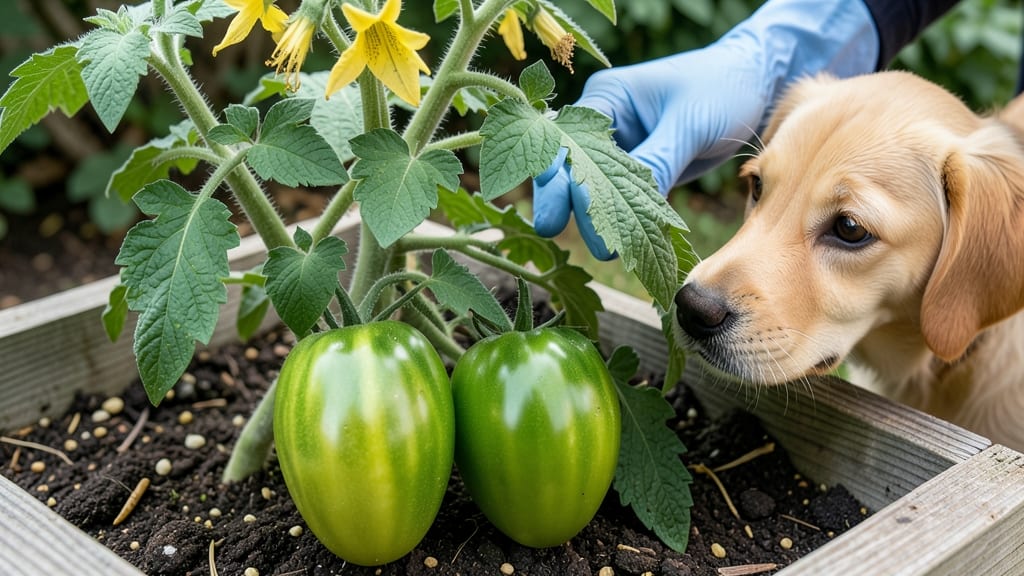
Tomato plant poison primarily comes from green fruit, stems, and leaves containing solanine and tomatine, which are toxic in large amounts. Avoid consuming unripe parts and handle plants carefully to prevent skin irritation or digestive upset.
Understanding tomato plant poison starts with recognizing which parts are dangerous: the green fruit, stems, and leaves all contain natural toxins called solanine and tomatine. 🌱 These compounds act as defenses against pests and disease, but they can cause nausea, vomiting, or skin irritation in humans and pets if ingested in large quantities.
Ripe red tomatoes are generally safe, but even they contain trace amounts—cooking reduces these toxins further. The key is awareness: never eat unripe tomatoes or use green foliage in cooking, as the risk of adverse reactions increases significantly.
For gardeners, handling these toxic parts requires caution. Always wear gloves when pruning tomato plants, and dispose of green fruit and foliage in sealed trash bags rather than composting them. 💛 Solanine breaks down in heat, so composting can sometimes neutralize it, but it's safer to avoid the risk entirely.
If you suspect poisoning—whether in yourself or a pet—contact a healthcare provider or vet immediately, as symptoms can range from mild stomach upset to more severe neurological effects.
💡 In This Article
- Identifying Toxic Parts of Tomato Plants
- Safe Removal and Disposal of Toxic Tomato Plant Parts
Identifying toxic parts of tomato plants
The toxicity in tomato plants stems from two key compounds: solanine and tomatine. Solanine is a glycoalkaloid found in the nightshade family, including potatoes and eggplants, while tomatine is unique to tomatoes. Both compounds act as natural pesticides, deterring insects and fungi.
In green tomatoes, solanine levels can reach 5-10 mg per 100 grams—a concentration high enough to cause mild poisoning if consumed in large quantities. For comparison, ripe red tomatoes contain only 0.1-0.5 mg per 100 grams, making them far safer.
Leaves and stems are particularly concentrated sources of these toxins. A single leaf can contain up to 15 mg of tomatine per 100 grams, which is why accidental ingestion by pets or children can lead to symptoms like vomiting, diarrhea, or abdominal pain.
The plant’s green fruit contains the highest levels, as the chlorophyll production triggers increased solanine synthesis. Even the vines and roots harbor these compounds, though in lower concentrations. 🔥 What makes this dangerous is that these parts are often discarded carelessly, risking exposure to curious pets or unsuspecting humans.
Symptoms of tomato plant poisoning typically appear within 6-24 hours of ingestion and include nausea, dizziness, and headaches. In severe cases—especially for pets or young children—neurological effects like confusion or hallucinations can occur. The toxicity isn’t just about taste; it’s a chemical defense mechanism.
For example, a dog chewing on tomato leaves might experience drooling, lethargy, or even seizures if enough tomatine is ingested. The good news? Cooking ripe tomatoes reduces solanine levels by up to 50%, but green parts remain hazardous regardless of preparation.
Here’s how the toxicity compares across plant parts:
- Green tomatoes: Highest risk (5-10 mg solanine/100g)
- Leaves/stems: Very high (15 mg tomatine/100g)
- Ripe tomatoes: Low risk (0.1-0.5 mg/100g)
- Roots/vines: Moderate risk (varies by plant maturity)
The reason green tomatoes are so dangerous lies in their high chlorophyll content. This pigment signals the plant to produce more solanine as a protective measure. Even a small child eating just 2-3 green tomatoes could experience mild poisoning, while pets might show symptoms after ingesting even smaller amounts.
Always inspect your harvest for green spots—even a single blemish can indicate elevated toxin levels. ✨
For gardeners, the key takeaway is simple: treat all non-red parts of the tomato plant as potentially toxic. This includes unripe fruit, foliage, and even the stems. The compounds don’t disappear with wilting or drying—they remain active until broken down by heat or decomposition.
That’s why composting tomato waste requires caution, as the toxins can persist for weeks in the soil.