
Plants
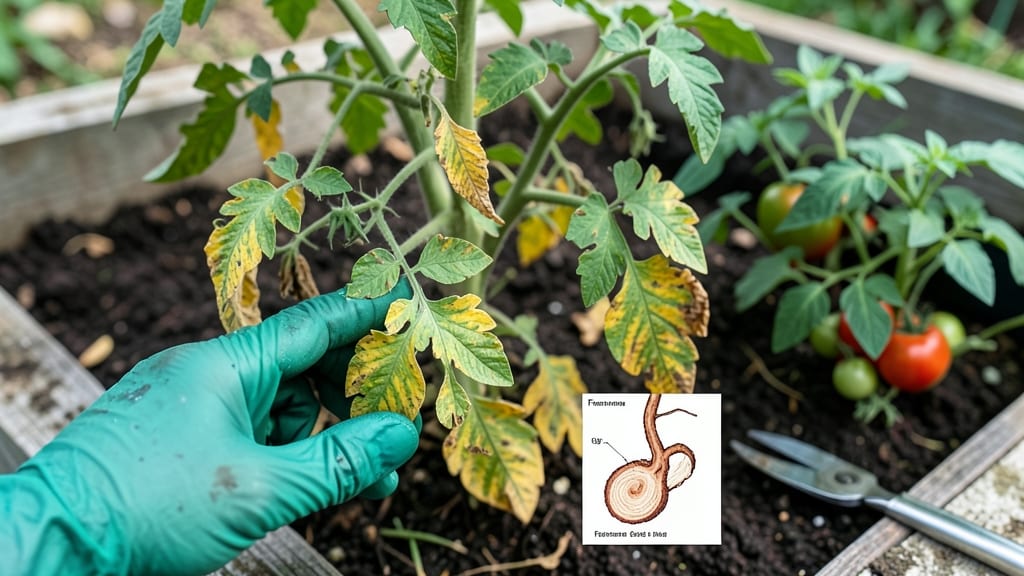
Fusarium wilt turns your thriving tomato plants into sad, yellowing sticks overnight. 🌱 I’ve lost entire plants to this stubborn soil-borne fungus, but I’ve also learned how to stop it before it starts—with soil treatments that actually work.
The key isn’t just treating symptoms; it’s breaking the fungus’s life cycle in the soil.
This fungus thrives in warm, moist conditions and survives for years in old plant debris. Most gardeners panic when they see wilting leaves, but the real battle happens underground. The good news? Solarization, compost tea, and biofumigation can weaken or kill it before it infects your next crop.
You’ll walk away with a three-step prevention plan that keeps your soil healthy and your tomatoes upright. No more watching your plants collapse mid-summer—just strong, productive vines that keep bearing fruit all season. Let’s get your soil fighting back.
Works for home gardens, raised beds, and even container growing. The methods here adapt to any tomato variety, from heirlooms to hybrids. Here’s how to reclaim your soil—and your harvest.
Root Causes Of Tomato Plant Decline
Fusarium wilt in tomato plants is a devastating fungal disease that thrives in warm, moist conditions—often leaving gardeners baffled by its sudden, relentless spread. Understanding the why behind this disease is the first step to stopping it.
Below, we break down the key factors that create the perfect storm for fungal invasion, from soil conditions to plant stress.
Fusarium oxysporum f. sp. lycopersici, the fungus responsible for wilt, is a soilborne pathogen that becomes most aggressive in warm, humid environments. Here’s how soil conditions fuel its growth:
- Ideal temperature range: The fungus thrives between 77–95°F (25–35°C). If your garden hits these temps—especially in late spring or summer—your tomatoes are at high risk. 💡 Pro tip: Avoid planting heat-loving tomato varieties in the hottest months unless you can provide shade or drip irrigation to moderate soil temps.
- Excessive moisture: While the fungus doesn’t need standing water, consistently damp soil (especially in the root zone) creates the perfect breeding ground. Overwatering, poor drainage, or heavy clay soils trap moisture, accelerating fungal spores.
- Waterlogged roots: Even brief periods of saturation stress tomato roots, making them more susceptible to infection. ⚠️ Watch out: If your soil feels soggy 2–3 days after watering, you’re in the danger zone.
To combat this, aim for consistent moisture—not soggy soil. Use mulch (straw or wood chips) to regulate temperature and evaporation, and ensure raised beds or containers have drainage holes.
The fungus persists in soil for years, often lying dormant until conditions are right. Here’s how it sneaks into your garden:
- Previous infected plants: If tomatoes, peppers, or other Solanaceae family plants (like eggplants or potatoes) were affected by fusarium wilt in your garden before, the fungus likely remains in the soil. 💡 Pro tip: Test soil with a home fungal test kit or send samples to a local extension service for confirmation.
- Infected plant debris: Leaving behind wilted tomato stems, roots, or composted plant material can reintroduce spores into the soil. The fungus can even survive in sterile potting mix if contaminated seeds or tools were used.
- Contaminated tools or water: Pruners, shovels, or even water from a reused bucket can transfer spores from one plant to another. ⚠️ Watch out: Always disinfect tools with 70% isopropyl alcohol or a 10% bleach solution between uses.
To break the cycle, practice crop rotation (avoid planting tomatoes in the same spot for at least 3–4 years) and sterilize soil with solarization or biofumigation (covering soil with clear plastic for 4–6 weeks in hot weather).
Fusarium wilt exploits stressed plants, and compacted, poorly aerated soil is a major stressor. Here’s how it plays a role:
- Root asphyxiation: Compacted soil (often from foot traffic, machinery, or heavy clay) restricts oxygen flow to roots. Weakened roots can’t fend off fungal attacks, making them easy targets.
- Slow water drainage: If water pools around roots, it creates anaerobic (oxygen-deprived) zones where the fungus thrives. 💡 Pro tip: Amend heavy soil with compost or perlite to improve structure and drainage.
- pH imbalances: Fusarium prefers slightly acidic to neutral soil (pH 6.0–7.0). If your soil is too alkaline (pH >7.5) or acidic (pH <5.5), it can weaken plant defenses, making them more vulnerable.
Test your soil’s pH and structure, then adjust with lime (to raise pH), sulfur (to lower pH), or organic matter (to loosen compaction). Raised beds or container gardening can also help if your native soil is problematic.
Too much of a good thing—like nitrogen or phosphorus—can backfire by making tomato plants soft, lush, and weak, which the fungus exploits. Here’s how over-fertilization contributes:
- Excess nitrogen: Promotes leafy growth at the expense of root strength. Weak roots are more prone to fungal invasion. ⚠️ Watch out: Avoid "green water" fertilizers high in nitrogen (like fresh manure) early in the season.
- Imbalanced nutrients: A lack of potassium or phosphorus (common in over-fertilized soil) weakens the plant’s vascular system—the fungus’s highway into the plant.
- Salt buildup: Synthetic fertilizers can leave behind salt residues, further stressing roots and making them susceptible to infection.
Use a balanced, slow-release fertilizer (like 10-10-10 or compost tea) and avoid heavy applications once flowering begins. A soil test can help you dial in the right ratios.
Fusarium wilt doesn’t strike randomly—it’s often tied to seasonal patterns and climate conditions. Key triggers include:
- Hot, humid summers: The fungus spreads faster in 90°F+ (32°C+) temps with high humidity. Southern states and tropical climates are hotspots for outbreaks.
- Monsoon-like rains: Sudden downpours can wash spores into root zones, especially in container gardens or sloped beds.
- Drought followed by heavy watering: Stress from drought weakens plants, and then overwatering creates the perfect infection window.
Monitor weather forecasts and adjust watering schedules. Drip irrigation at soil level (rather than overhead sprinklers) reduces humidity around foliage and keeps roots consistently moist without waterlogging.
How to Treat and Prevent Wilt
Fusarium wilt in tomato plants is a stubborn foe, but with the right strategies, you can stop it in its tracks and protect your garden.
Below, we break down practical fixes based on the root causes—soil health, fungal pressure, and plant stress—and pair them with preventive measures to keep your tomatoes thriving. Think of this as your garden’s immune system booster!
Fusarium thrives in compacted, nutrient-poor, or waterlogged soil. Healthy soil = stronger plants that resist disease.
✅ How to Fix It:
- 🔥 Amend Soil with Organic Matter Mix in 3–4 inches of compost or well-rotted manure (chicken, cow, or worm castings work best).
This improves drainage, aeration, and microbial activity, which naturally suppresses fungi. Pro Tip: 💡 Avoid fresh manure—it can burn roots and worsen fungal growth. Use aged compost instead.
- 🍳 Adjust pH to 6.0–6.8 Fusarium loves acidic soil (pH < 5.5).
Test your soil with a home kit ($10–$20) and amend with: - Lime (to raise pH) if soil is too acidic. - Sulfur or peat moss (to lower pH) if soil is too alkaline. Pro Tip: 🌡️ Avoid over-limeing—small adjustments (0.5 pH points at a time) prevent shock to plants.
- 👨🍳 Use Biochar or Perlite These amendments improve drainage and reduce soil compaction. Work 1 cup per square foot into the top 6 inches of soil before planting.
Fusarium spores linger in soil for years. Starve them out with cultural controls and natural fungicides.
✅ How to Fix It:
- 🥘 Rotate Crops Religiously Never plant tomatoes, peppers, or eggplants (all nightshades) in the same spot for 3–4 years. Use cover crops like clover or rye in between to block fungal spores from reaching the surface.
- 🔪 Remove and Destroy Infected Plants Do NOT compost wilted tomato plants—they’re spore bombs. Instead:
- Bag and trash infected foliage.
- Solarize soil (cover with clear plastic for 4–6 weeks in summer) to kill spores with heat.
- 🎯 Use Fungicidal Sprays (Preventative Only!) Copper-based sprays (like Bordeaux mixture) or neem oil can reduce spore germination when applied every 7–10 days as a preventative. Pro Tip: ✨ Mix 1 tbsp neem oil + 1 tsp baking soda + 1 tsp dish soap per gallon of water for a low-cost fungicide.
Healthy tomatoes fight off Fusarium better. Focus on stress reduction and resistant varieties.
✅ How to Fix It:
- 💪 Plant Resistant Varieties Some tomatoes naturally resist Fusarium wilt. Try:
- ‘Mountain Merit’ (heat-tolerant + resistant)
- ‘Celebrity’ (classic hybrid with resistance)
- ‘Solar Fire’ (disease-resistant and productive)
- ⏰ Space Plants for Airflow Crowded tomatoes trap moisture, creating fungal hotspots. Space plants 18–24 inches apart and prune suckers to improve airflow.
- 🥗 Water Smartly (No Overhead Splashing!)
- Water at the base (use drip irrigation or soaker hoses).
- Avoid wetting leaves (especially in the evening).
- Water deeply but infrequently (1–1.5 inches per week) to prevent soil saturation.
For severe infestations, go nuclear—but safely!
✅ How to Fix It:
- 🔥 Soil Solarization (Best for Greenhouses or Hot Climates)
- Clear the bed of plants and debris.
- Lay clear plastic (4–6 mil thickness) tightly over the soil.
- Secure edges with soil or bricks to trap heat.
- Leave for 4–6 weeks (temperatures must reach 104–113°F to kill spores). Pro Tip: 🌡️ Check soil temp with a thermometer—if it doesn’t hit 100°F+, it won’t work.
- 🍄 Apply Natural Fungicides (Pre-Planting)
- Trichoderma harzianum (a beneficial fungus that outcompetes Fusarium).
- Bacillus subtilis (a bacterium that suppresses soil-borne diseases).
- Garlic or horseradish extract (spray or soak soil—1 tbsp powder per gallon of water).
If your tomato shows early wilting, act fast to buy time:
- 🔪 Prune infected leaves (sterilize shears with rubbing alcohol).
- 💧 Reduce watering (soggy soil = fungal feast).
- 🍄 Spray with neem oil + copper (repeat every 5 days).
- 🌱 Monitor for new growth—if it recovers, the plant may survive.
Final Pro Tip: 🎯 Prevention is cheaper than cure!
- Test soil every 2–3 years (even if plants look healthy).
- Keep garden tools clean (sterilize with bleach or alcohol).
- Avoid tilling (it spreads spores—mulch instead).
With these steps, you’ll break the Fusarium cycle and grow strong, wilt-free tomatoes for years. Your garden’s future is in your hands—literally! 🌱🍅
Frequently asked questions
Can I save a tomato plant already showing fusarium wilt symptoms?
Unfortunately, once a tomato plant shows wilting and yellowing from fusarium wilt, it's usually too late to save it. The fungus invades the plant's vascular system, and there's no cure. Remove the infected plant immediately to prevent spreading spores to healthy plants. Prune affected leaves early in the infection process, but don't expect recovery.
How long does fusarium wilt survive in my garden soil?
This stubborn fungus can persist in soil for 10+ years if left untreated. It survives in plant debris, organic matter, and even sterile potting mixes. The key to eradication is combining solarization (covering soil with plastic for 4-6 weeks) with crop rotation (avoiding nightshades in the same spot for 3-4 years).
Will composting help reduce fusarium wilt in my garden?
Composting alone won't eliminate fusarium wilt spores, but it can help when done correctly. Use only well-aged compost (fully decomposed) and avoid adding infected plant material. For best results, combine compost with solarization or biofumigation methods. Fresh manure or improperly composted material can actually worsen the problem.
Are there any chemical treatments that actually work against fusarium wilt?
Chemical treatments have limited effectiveness against fusarium wilt because the fungus lives in the soil. While fungicides like copper-based sprays can provide temporary protection when applied preventatively, they won't cure an established infection. The most reliable approach is soil sterilization methods like solarization combined with resistant plant varieties.
Can I grow tomatoes in containers to avoid fusarium wilt?
Yes, container growing significantly reduces risk! Use new, sterile potting mix each season and avoid reusing containers that previously held infected plants. Choose resistant varieties like 'Mountain Merit' and ensure containers have proper drainage. Remember to sterilize your tools between uses to prevent cross-contamination.