
Plants
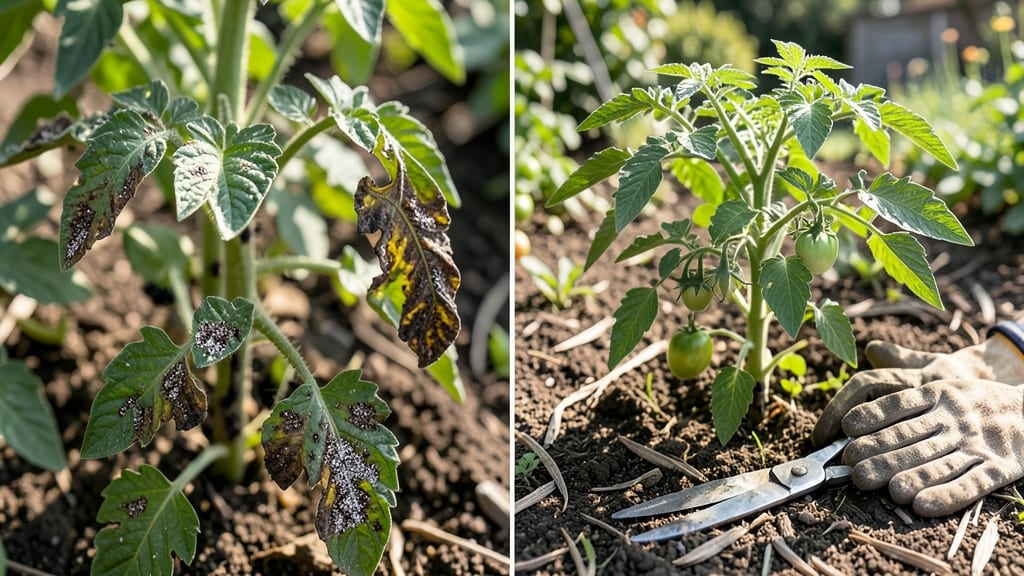
Tomato plant fungus can turn your summer harvest into a sad, spotted mess if you don't catch it early. 🌱 I've saved my own plants from total collapse by spotting the first yellow speck or gray fuzz before it spreads—here's exactly how to do it too.
The most common culprits—early blight, late blight, and powdery mildew—each leave telltale marks: brown concentric rings, water-soaked leaves, or white powder. The key is acting fast: prune infected leaves before they infect neighbors, and space plants properly to improve airflow.
With the right mix of preventive sprays (neem oil, copper fungicide) and smart watering (early morning, at the base), you'll keep your tomatoes thriving all season. The payoff? Juicy, disease-free fruit straight from your garden to your plate.
This works for backyard plots, containers, or even balcony gardens—just adjust spacing and watch for those first warning signs. Let's get your tomatoes back on track!
Root Causes of Tomato Fungus
Fungal infections in tomato plants aren’t just random bad luck—they thrive because of specific conditions that create the perfect storm for spores to spread and multiply. Understanding these triggers is the first step to preventing outbreaks before they ruin your harvest.
Let’s break down the key culprits, from environmental factors to gardening habits that invite trouble.
Fungi love water—literally. Most tomato plant fungi, like early blight (Alternaria solani) or late blight (Phytophthora infestans), rely on moisture to germinate and infect leaves, stems, or fruit. Here’s how it happens:
- Overhead Watering: Splashing water onto foliage (especially in the evening) creates a damp, humid microclimate that fungi adore.
Unlike tomatoes, which prefer deep watering at the base, fungi thrive on wet leaves. - Compacted or Waterlogged Soil: If your garden soil doesn’t drain well, roots suffocate, weakening the plant’s defenses.
Stagnant water also encourages root rot (Fusarium or Pythium), which then spreads upward. - High Humidity: Fungal spores need at least 9–12 hours of leaf wetness to infect. Greenhouses, dense plantings, or shaded areas trap humidity, accelerating outbreaks.
Actionable Fix: Water early in the day (before 10 AM) and use drip irrigation or soaker hoses to keep foliage dry. Amend soil with compost or perlite to improve drainage, and space plants for airflow.
Fungi are opportunistic—they exploit plants when they’re already struggling. Temperature swings and extreme heat or cold weaken tomato plants, making them vulnerable to infection.
- Cool, Wet Springs: Temperatures between 60–75°F (15–24°C) are ideal for fungal spores to germinate.
If your spring is chilly and rainy, fungi like powdery mildew (Oidium) or septoria leaf spot (Septoria lycopersici) take hold faster. - Heat Stress: While tomatoes love warmth, sudden heatwaves above 90°F (32°C) can scorch leaves, creating entry points for fungi.
Weakened plants are easier targets for anthracnose (Colletotrichum). - Frost Damage: Early or late frosts shock the plant, opening wounds where fungi can invade. Even if the plant recovers, the damage is done.
Actionable Fix: Choose heat-tolerant varieties (like ‘Heatmaster’ or ‘Solar Fire’) and use row covers in spring to protect young plants. Mulch with straw or grass clippings to moderate soil temps and reduce stress.
Fungi spread like wildfire in stagnant air. When tomato plants are packed too closely, moisture lingers, and spores have a free pass to hop from plant to plant.
- Overcrowding: Plants competing for sunlight and nutrients develop weak stems and thin leaves, making them prime targets. Fungal spores can jump up to 3 feet in still air! - Dense Canopies: Tall, bushy tomato varieties (like indeterminates) trap humidity under their leaves.
This is a fungal hotspot for late blight and early blight. - Monoculture Gardening: Planting tomatoes in the same spot year after year exhausts the soil, leaving plants more susceptible to soil-borne fungi like Verticillium or Fusarium wilt.
Actionable Fix: Space plants 18–24 inches apart (or prune indeterminates for airflow). Use trellises or cages to elevate foliage and improve drying. Rotate crops annually to break the fungal lifecycle.
Fungal spores are sneaky survivors—they can lie dormant in soil, compost, or even on your pruners for years. Here’s how they reinfect your garden:
- Infested Soil: If previous crops (like potatoes, peppers, or eggplants) had fungal diseases, spores may still be lurking. Verticillium wilt and Fusarium wilt can persist for 5+ years in soil. - Dirty Tools: Pruners, stakes, or gloves contaminated with spores spread infections like a virus. Early blight spores, for example, can hitch a ride on tools and infect new plants. - Compost & Mulch: Homemade compost with diseased plant debris can reintroduce fungi.
Even store-bought mulch might be tainted if not sterilized.
Actionable Fix: Sterilize tools with rubbing alcohol or a 10% bleach solution between uses. Test soil for fungi (via lab analysis) before planting, and solarize soil (cover with clear plastic for 4–6 weeks in summer) to kill spores. Use sterilized potting mix for containers.
A healthy tomato plant can fend off fungi, but pests and physical damage create open doors for infections.
- Sap-Sucking Insects: Aphids, whiteflies, and spider mites weaken plants by feeding on sap, making them more susceptible to powdery mildew and downy mildew. - Mechanical Damage: Hail, strong winds, or even rough handling during harvesting can create wounds where fungi like anthracnose enter. - Bird or Rodent Bites: Unexplained holes in fruit?
Rodents or birds can introduce spores while feeding.
Actionable Fix: Use row covers to block pests early, and inspect plants weekly for chew marks or insect activity. Remove damaged fruit immediately to prevent fungal spread.
The biggest mistake gardeners make? Waiting too long to act. Fungi start small—yellow spots, tiny lesions, or white powder—but if ignored, they explode into full-blown infections.
- Missed Symptoms: Early signs (like target-shaped lesions for early blight) are often mistaken for nutrient deficiencies or pest damage. - Delayed Pruning: Dead or diseased leaves left on the plant feed fungal spores, accelerating growth.
One infected leaf can produce thousands of spores in days. - Skipping Sanitation: Not removing infected plants or debris leaves a fungal reservoir for next season.
Actionable Fix: Scout your plants weekly (especially undersides of leaves). Remove and dispose of infected plant material in the trash (not compost), and prune for airflow to prevent spread.
💡 Pro Tip: The key to stopping fungal outbreaks is breaking the infection cycle early. Combine preventive habits (like proper spacing and watering) with quick action when you spot the first signs. Fungi spread faster than you think—don’t wait until your tomatoes look like a science experiment!
Quick Fixes for Fungal Woes
Fungal infections can turn your thriving tomato plants into a sad, spotted mess—but don’t panic! With the right approach, you can revive your plants and prevent future outbreaks. Below, we’ve mapped out practical solutions for common fungal issues, from early-stage blight to stubborn mildew.
Each fix includes actionable steps and prevention tips to keep your garden flourishing.
If you catch fungus early, you can often stop it in its tracks with minimal damage.
🔥 Remove and Destroy Infected Leaves
- Why? Fungal spores spread like wildfire—removing infected foliage stops the cycle.
- How?
- Snip off yellowed, spotted, or mushy leaves (use clean pruners or scissors).
- Do NOT compost them—toss in a sealed trash bag or burn them.
- Pro Tip: 💡 Check the undersides of leaves—that’s where spores love to hide!
🌡️ Boost Airflow & Light - Why? Fungi thrive in dark, damp conditions.
Improving airflow dries out spores before they spread. - How? - Prune crowded branches to allow sunlight and breeze between plants. - Space plants 18–24 inches apart (if replanting). - Avoid overhead watering—use a drip irrigation system or water at the base.
🛡️ Apply a Natural Fungicide
- Why? Chemical sprays can be harsh, but organic options work just as well.
- Best DIY Sprays:
- Baking Soda Spray (1 tsp baking soda + 1 quart water + a drop of dish soap).
- Neem Oil (1 tbsp neem oil + 1 quart water + a few drops of soap).
- Copper Fungicide (follow label instructions).
- How to Apply:
- Spray early in the morning (avoid direct sunlight).
- Reapply every 7–10 days or after rain.
If fungus has already taken hold, aggressive action is key—but some plants may be beyond saving.
🔪 Prune Aggressively (But Don’t Overdo It)
- Why? Severe infections (like late blight) can spread to fruit. Cutting back limits damage.
- How?
- Remove all infected leaves, stems, and fruit (even if it looks "mostly fine").
- Sterilize tools with rubbing alcohol between cuts.
- Pro Tip: ✨ If the main stem is healthy, the plant may recover—just keep it well-pruned and monitored.
🚿 Deep-Clean Your Garden
- Why? Spores linger in soil and tools, re-infecting next season.
- How?
- Solarize the soil (cover with clear plastic for 4–6 weeks in hot sun).
- Replace topsoil if heavily contaminated (6 inches deep).
- Disinfect tools, pots, and trellises with bleach or vinegar.
🛒 Last Resort: Chemical Defense (Use Sparingly)
- Why? If organics fail, fungicides like chlorothalonil or mancozeb can help—but they’re not eco-friendly.
- How?
- Follow label instructions precisely (overuse leads to resistance).
- Wear gloves and a mask—some chemicals are toxic.
- Avoid spraying before harvest (follow pre-harvest intervals).
The best defense? Stop it before it starts. Here’s how to fungus-proof your tomato garden:
💡 Plant Smart
- Choose resistant varieties (e.g., ‘Mountain Merit’ for blight, ‘Defiant PhR’ for mildew).
- Rotate crops—never plant tomatoes (or nightshades) in the same spot two years in a row.
- Start with healthy seedlings (avoid weak or wilting plants from nurseries).
🌡️ Water Like a Pro
- Water deeply but infrequently (1–2 inches per week).
- Water in the morning so foliage dries by night.
- Avoid wetting leaves—use soaker hoses or mulch heavily (straw or grass clippings).
🛡️ Strengthen Your Plants
- Fertilize right—too much nitrogen = weak, fungus-prone plants. Use a balanced 5-5-5 or 10-10-10 fertilizer.
- Add compost for stronger roots (healthy plants fight disease better).
- Watch for stress—heat, drought, or overcrowding make plants vulnerable.
🧹 Sanitize Everything
- Clean tools after each use (bleach or alcohol).
- Remove plant debris at the end of the season.
- Disinfect containers if reusing pots.
Final Thought: 🎯 Fungal diseases are manageable—don’t let them ruin your harvest! Act fast, stay vigilant, and your tomatoes will thank you with juicy, blemish-free fruit. 🍅✨
Frequently asked questions
What’s the difference between early blight and late blight on tomato plants?
Early blight shows as concentric brown rings on leaves (like bullseye targets), while late blight creates irregular, greasy-looking spots that spread rapidly—especially in cool, wet weather. Early blight starts on lower leaves, but late blight can attack fruit and stems too. The key difference? Late blight spreads faster and can destroy plants in days.
Can I still save my tomatoes if the leaves have white powdery mildew?
Yes! Prune off heavily infected leaves immediately and spray with a baking soda mixture (1 tsp baking soda + 1 quart water + a drop of soap). Improve airflow by spacing plants 18–24 inches apart and watering at the base. Powdery mildew rarely kills plants but weakens them—act fast to prevent spread.
How do I know if my tomato fungus is from soil-borne pathogens like Verticillium wilt?
Look for yellowing leaves starting at the bottom that wilt during the day but recover at night—classic Verticillium signs. Unlike other fungi, soil-borne wilts don’t respond to foliar sprays because they attack roots. Test soil or rotate crops to break the cycle. Prevention is key: avoid planting tomatoes in the same spot for 3+ years.
Is neem oil safe to use on tomato plants with fungal infections?
Neem oil is organic and effective against early blight, powdery mildew, and anthracnose. Mix 1 tbsp neem oil + 1 quart water + a few drops of soap and spray early in the morning. Reapply every 7–10 days or after rain. It’s non-toxic to bees once dry, but avoid spraying when flowers are open.
What’s the fastest way to sterilize my garden tools after pruning infected plants?
Wipe tools with 70% rubbing alcohol or soak in a 10% bleach solution (1 part bleach to 9 parts water) for 5 minutes, then rinse and dry. For heavy-duty sterilization, boil pruners in water for 10 minutes. Never skip this step—contaminated tools spread spores faster than you can imagine!