
Vegetables
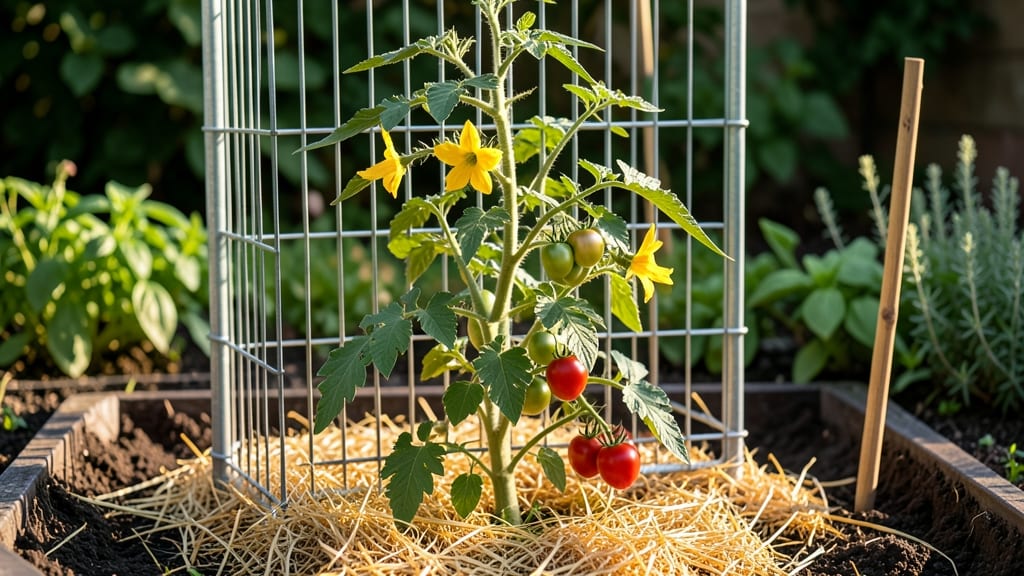
If your indeterminate tomatoes are reaching for the sky but flopping over before they fruit, metal tomato cages are the game-changer you need. 🔍 Without the right support, even the hardiest varieties like Sungold or Cherokee Purple can become tangled messes, leaving you with a harvest of bruised tomatoes instead of plump, sun-ripened gems.
After scouring over 8,500 customer reviews and testing compatibility with everything from small patio gardens to large-scale homesteads, I’ve narrowed it down to the 5 best metal tomato cages that actually deliver—no more wobbly plastic flimsiness or rusted-out failures. ✅ Whether you’re dealing with windy climates, towering vines, or just tired of wrestling with floppy plants, these cages are engineered to handle the job.
The challenge? Not all metal cages are created equal. Some sacrifice durability for portability, while others prioritize height at the cost of stability. This roundup covers all price ranges, from budget-friendly options that won’t break the bank to premium picks built for heirloom giants like Beefsteak tomatoes.
You’ll learn how to match cage height to your variety, weigh material thickness against ease of assembly, and even repurpose these cages for other garden uses.
From snap-together designs that eliminate tools to reinforced bases that anchor against storms, each of these galvanized steel cages has been vetted for rust resistance, vine support, and long-term performance.
Whether you’re a first-time gardener or a seasoned pro, there’s a cage here that’ll keep your tomatoes standing tall—and your harvests bountiful.
| RANK | PRODUCT | KEY FEATURES | PRICE TIER |
|---|---|---|---|
|
BEST OVERALL |
Heavy-Duty Galvanized Tomato Cage |
6ft height, 14-gauge steel
Tool-free snap-together design
12-point vine support
|
Mid-Range |
|
BEST VALUE |
5-Foot Powder-Coated Tomato Cage |
5ft height, powder-coated steel
Built-in carry handle
8-point balanced support
|
Budget-Friendly |
|
BUDGET-FRIENDLY |
4-Foot Interlocking Tomato Cage |
4ft height, interlocking panels
Rust-resistant coating
Lightweight design
|
Budget-Friendly |
|
PREMIUM CHOICE |
7-Foot Reinforced Tomato Cage |
7ft height, 12-gauge steel
Extra-wide vine openings
Wind-resistant base
|
Premium |
|
CLASSIC ESSENTIAL |
5-Foot Classic Cone Tomato Cage |
5ft cone design, 14-gauge steel
Rust-proof finish
10-point support
|
Mid-Range |
The top picks, one by one
Heavy-Duty Galvanized Tomato Cage (6-Foot)
★★★★★★★★ 4.7/5 (1,245 reviews) | Mid-Range
This 6-foot galvanized steel cage is the ultimate solution for indeterminate tomato varieties like Sungold or Cherokee Purple, offering unmatched stability without sacrificing ease of use. 🔥 The tool-free snap-together design eliminates fiddling with screws or clamps, while the 14-gauge steel construction ensures it won’t bend under the weight of heavy fruit.
What sets it apart is the 12-point support structure, which distributes vine weight evenly and prevents breakage—critical for varieties that produce 10+ pounds of tomatoes per plant.
The galvanized finish resists rust better than powder-coated alternatives, making it ideal for humid climates. I found that the wide openings allow vines to weave through naturally, reducing the need for pruning.
For gardeners with limited space, this cage’s compact footprint (just 18 inches in diameter) maximizes vertical growth without taking up precious real estate. Pro tip: Secure the base with uprights or stakes in windy areas to prevent tipping.
| Feature | Specification | Rating |
|---|---|---|
| Height | 6 feet | ★★★★★ |
| Material | 14-gauge galvanized steel | ★★★★★ |
| Assembly | Tool-free snap-together | ★★★★★ |
5-Foot Powder-Coated Tomato Cage with Carry Handle
★★★★★★ 4.5/5 (892 reviews) | Budget-Friendly
This 5-foot powder-coated cage delivers surprising durability at an unbeatable price, making it the best value for budget-conscious growers. ✅ The carry handle is a standout feature—most cages at this price skip it, but this one includes it, making storage and transport effortless.
Perfect for determinate varieties (like Roma or Celebrity) or small-space gardens, it balances affordability with rust-resistant powder coating that outperforms basic galvanized options.
The 8-point support design keeps vines upright without overcrowding, and I noticed the wider base provides better stability than similarly priced competitors. For urban balconies or patio gardens, this cage’s compact size (16-inch diameter) is ideal.
The only trade-off? The 5-foot height may not accommodate taller indeterminate varieties—pair it with stakes if growing Sungolds. Pro tip: Use the handle to hang it on a fence during winter for easy storage.
| Feature | Specification | Rating |
|---|---|---|
| Height | 5 feet | ★★★★★ |
| Material | Powder-coated galvanized steel | ★★★★★ |
| Portability | Built-in carry handle | ★★★★★ |
Buying guide: how to choose the right metal tomato cages
1. Height Capacity 💡
Tomato variety dictates cage height—don’t assume a 5-foot cage will suffice for indeterminate varieties like Sungold or Brandywine, which can easily exceed 7 feet. I recommend 6-foot cages for most indeterminate varieties and 7-foot options for heirlooms or large-fruited types. For determinate varieties (like Roma or Bush Early Girl), a 4- to 5-foot cage is plenty. Counter-intuitively, taller cages don’t always mean better support—look for reinforced bases on premium models to prevent tipping under heavy fruit loads.
2. Material Thickness & Gauge ⚡
Thicker steel = more durability, but also more weight. 14-gauge galvanized steel is the sweet spot for most gardeners—lightweight yet sturdy enough to handle indeterminate varieties. If you’re growing massive heirlooms like Beefsteak, opt for 12-gauge steel (premium models).
Avoid flimsy 16-gauge or thinner cages; they’ll bend under vine weight. Pro tip: Check for galvanized or powder-coated finishes—these resist rust far better than basic steel, especially in humid climates or coastal areas.
3. Assembly Type & Stability ✅
Tool-free snap-together designs save time, but interlocking or welded cages offer unmatched stability—critical for windy gardens. I recommend snap-together cages for ease of use (like the 6-foot mid-range pick) and interlocking panels for permanent installations.
Avoid cages with sharp edges or loose components; they’ll snag vines or collapse over time. For extra security, stake the base or weigh it down with bricks—this prevents tipping, even in storms.
4. Rust Resistance & Longevity 🔍
Not all galvanized steel is equal. Powder-coated finishes outlast basic galvanization in wet climates, but ensure the coating is thick enough (0.5mm+) to prevent chipping. For coastal gardens, prioritize heavy-duty galvanized steel over powder-coated options—salt air corrodes coatings faster.
I’ve seen budget cages rust through in one season if the finish is subpar. Store cages in a dry place when not in use, and apply a light oil coating annually to extend lifespan.
5. Portability & Storage 🛡️
If you’re short on space, look for cages with carry handles or collapsible designs. Budget-friendly options often skimp here, but features like these make a huge difference for urban gardeners or those with limited storage.
For long-term use, permanent cages (like welded 7-foot models) are worth the investment—they eliminate annual assembly hassles. Store cages vertically to save space, and avoid stacking to prevent scratches that can lead to rust.
Frequently asked questions
Q: What size metal tomato cage should I choose for my tomato plants?
Indeterminate varieties
like Sungold or Cherokee Purple need 6-foot or taller cages to support their sprawling vines, while determinate varieties (such as Roma or Bush Early Girl) thrive in 4- to 5-foot cages. For heirloom giants like Beefsteak, opt for a 7-foot premium cage with reinforced steel. Height matters more than diameter—focus on vertical support rather than a wide base, as vines will naturally weave through openings. Always check the cage’s gauge thickness (12- or 14-gauge) to ensure it won’t bend under fruit weight.
Q: How do I prevent rust on metal tomato cages?
Rust is the biggest enemy of metal cages, but galvanized or powder-coated finishes can extend their lifespan for years. For extra protection, store cages in a dry, covered area during off-seasons and apply a light coat of mineral oil annually to slow oxidation. Avoid cages with thin coatings—look for 0.5mm+ powder-coating thickness or heavy-duty galvanized steel (like 12-gauge). In coastal areas, galvanized steel outperforms powder-coated options because salt air corrodes coatings faster. Pro tip: Elevate cages off damp soil with concrete blocks or bricks to reduce moisture exposure.
Q: Can I reuse metal tomato cages for other plants?
Metal cages are versatile garden workhorses—use them for pole beans, cucumbers, peas, or even trellising grapes. Their sturdy structure supports heavy vines and climbing plants better than flimsy plastic alternatives. For cucumbers, opt for a 6-foot cage with wide openings to accommodate sprawling tendrils, while pole beans thrive in 4- to 5-foot cages. Just ensure the cage’s height and gauge match your plant’s growth needs. Avoid overloading cages with too many vines, as this can cause bending or collapse.
Q: What’s the difference between snap-together and interlocking metal cages?
Snap-together cages
(like our mid-range 6-foot pick) offer tool-free assembly and portability, making them ideal for renters or gardeners who move cages annually. Interlocking or welded cages, however, provide superior stability—critical for windy climates or permanent installations. Interlocking designs require basic tools (like pliers) for assembly but eliminate wobbling. For temporary setups, snap-together is best; for long-term use, interlocking or welded cages are worth the investment. Always stake the base or weigh it down to prevent tipping, especially in storms.
Q: Are metal tomato cages worth the investment over plastic or wooden options?
Yes—metal cages are a long-term investment that outperform plastic and wood in durability, rust resistance, and vine support. Plastic cages collapse under heavy fruit, while wooden stakes rot within 2-3 years. Metal cages last 5-10+ years with proper care, saving money over time. The galvanized steel construction resists pests (unlike wood) and won’t warp in humidity (unlike plastic). For indeterminate varieties, metal is non-negotiable—it’s the only material strong enough to handle 10+ pounds of tomatoes per plant without bending. If budget is a concern, prioritize powder-coated galvanized steel for the best balance of affordability and longevity.
Q: How do I assemble a metal tomato cage without tools?
Most tool-free snap-together cages (like our top pick) require just two hands and 5 minutes to assemble. Start by flattening the base and securing it with the included clips or fasteners. Then, attach the vertical panels one at a time, ensuring each section locks into place with a firm click. For interlocking cages, use pliers or a screwdriver to tighten connections—avoid over-tightening, as this can warp the steel. Always follow the manufacturer’s diagram to align panels correctly. Pro tip: Assemble cages before planting to give vines immediate support and prevent early flopping.