
Vegetables
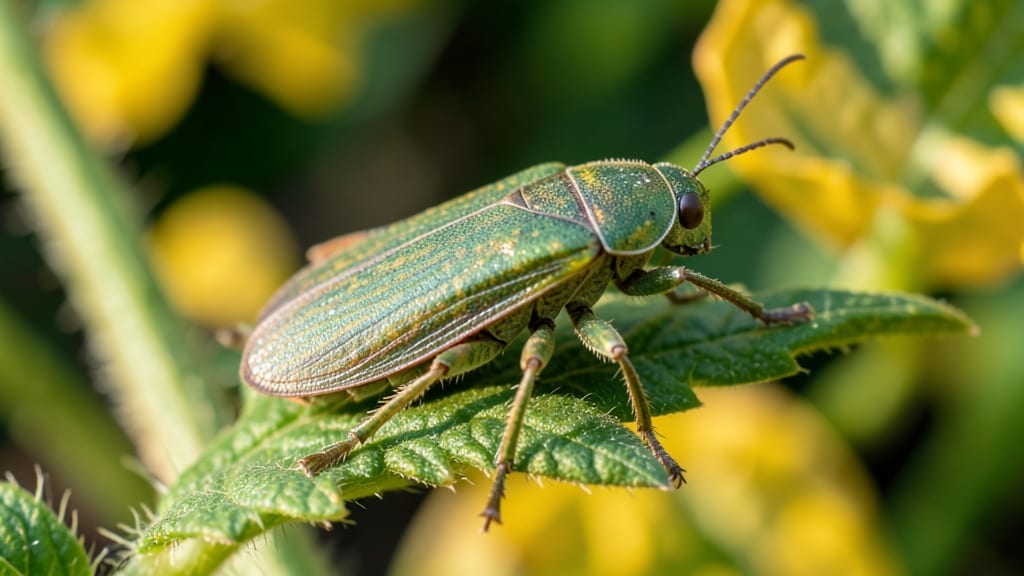
Green tomato bugs aren’t just annoying—they’re the fast-track to ruined harvests. 🌱 I’ve battled green peach aphids, tomato hornworms, and spider mites in my garden, and I’ve learned that organic sprays work better than anything you’ll find in a store.
The key is acting fast with simple, effective remedies that won’t harm your plants or the pollinators visiting them.
Most green pests show up when plants are stressed—whether from drought, overwatering, or poor soil. I’ve seen entire tomato plants stripped bare in days if I don’t catch the problem early.
The good news? A homemade spray made from neem oil or insecticidal soap can stop an infestation in its tracks, often within 24-48 hours of application.
You’ll end up with tomato plants that stay lush and productive, free from the telltale signs of damage—no more skeletonized leaves or sticky honeydew residue. The best part? These sprays are safe for your family and pets, and they won’t leave harmful residues on your fruit.
Whether you’re dealing with tiny aphids or massive hornworms, the same principles apply: early detection, targeted treatment, and prevention for next season. Let’s get those bugs under control—naturally.
Root Causes of Green Tomato Pests
Green bugs on your tomato plants aren’t just a nuisance—they’re a sign of underlying issues that, if ignored, can devastate your harvest. Understanding the why behind these tiny invaders is the first step to reclaiming your garden.
Below, we break down the most common triggers, from environmental factors to plant weaknesses, so you can address the problem at its source.
When tomato plants are cramped, poorly ventilated, or struggling from overwatering or nutrient deficiencies, they become prime targets for pests.
Green insects like aphids, whiteflies, and spider mites thrive in these conditions because: - Weakened defenses: Stressed plants produce less sap (their natural pest repellent), making them easier prey. - Moisture buildup: Crowded foliage traps humidity, creating the perfect breeding ground for soft-bodied bugs. - Nutrient competition: Plants low in nitrogen or potassium are less resilient to infestations.
Actionable fix: Prune plants for better airflow, space them 18–24 inches apart, and ensure they get balanced fertilizer (high in nitrogen early in the season, then potassium for strength).
Tomato plants release volatile organic compounds (VOCs)—essentially chemical signals—that act like dinner bells for green pests.
These scents are especially irresistible when: - New growth is tender: Young leaves and stems are packed with sugars and proteins, making them a buffet for aphids and thrips. - Plants are flowering: The sweet nectar of tomato blossoms draws in whiteflies and other nectar-loving bugs. - Stress signals are emitted: Damaged or diseased plants release distress signals that pests detect from miles away (yes, really!).
Actionable fix: Use companion planting (e.g., basil, marigolds, or garlic) to mask tomato scents. For severe cases, neem oil sprays disrupt the chemical cues that attract pests.
Pests don’t just appear out of nowhere—they hitchhike or overwinter in your garden.
Common hygiene-related causes include: - Debris and mulch: Old leaves, weeds, or thick mulch provide hiding spots for eggs and larvae. - Infested tools or soil: Contaminated pruners, pots, or compost can reintroduce bugs season after season. - Wildlife vectors: Birds, bees, or even wind can carry pests from nearby infested plants.
Actionable fix:
- Clear debris regularly (especially after storms or harvests).
- Solarize soil (cover with clear plastic for 4–6 weeks) to kill overwintering pests.
- Disinfect tools with rubbing alcohol between uses.
Green tomato pests are often weather-dependent.
Here’s how climate plays a role: | Pest | Triggering Conditions | Peak Activity | |-------------------|----------------------------------------|---------------------------| | Aphids | Mild, humid weather (60–80°F) | Spring to early summer | | Whiteflies | Warm, dry air with high CO₂ | Late summer to fall | | Spider Mites | Hot, dry conditions (low humidity) | Mid-summer droughts |
Actionable fix:
- Monitor weather patterns and apply preventive sprays (like soapy water or kaolin clay) before outbreaks.
- Mulch with straw to retain moisture and deter spider mites.
A healthy garden has a delicate ecosystem where predators (like ladybugs, lacewings, or parasitic wasps) keep pests in check. When this balance tips—often due to:
- Overuse of broad-spectrum pesticides (which kill both pests and their predators).
- Lack of biodiversity (monoculture gardens attract more pests).
Actionable fix:
- Encourage pollinators with native flowers (e.g., dill, fennel, or alyssum).
- Release beneficial insects (buy ladybugs or lacewing larvae from garden centers).
Pro Tip 💡: Rotate crops annually to starve soil-borne pests and confuse airborne ones. If green bugs persist, they may be resistant to common sprays—time to get creative with homemade organic solutions (like the one we’ll cover next!).
Natural Fixes for Green Tomato Pests
If your tomato plants are under siege by green bugs, don’t panic! These pests—whether aphids, tomato hornworms, or spider mites—can be managed effectively with organic, homemade solutions that are safe for your garden and the environment.
Below, we’ll break down targeted fixes based on the culprit, along with prevention tips to keep your plants thriving.
Before spraying, confirm what’s attacking your tomatoes. Common green pests include:
- Aphids (tiny, clustered green bugs on leaves/stems)
- Tomato hornworms (large green caterpillars with white stripes)
- Spider mites (tiny, web-spinning pests on undersides of leaves)
- Flea beetles (small jumping bugs causing tiny holes in leaves)
Pro Tip: 🔍 Use a magnifying glass or inspect leaves closely—early detection = easier fixes!
1.
Soapy Water Spray (Best for Aphids & Soft-Bodied Bugs) Why it works: A mild soap solution suffocates pests without harming plants. How to make it: - Mix 1 tbsp mild liquid castile soap (or dish soap) + 1 quart warm water. - Add 1 tsp neem oil (optional, for extra pest repellent). - Stir well and pour into a spray bottle.
How to use: 👨🍳 Step 1: Spray directly on pests (especially undersides of leaves) in the early morning or evening (avoid midday sun to prevent leaf burn). 🥘 Step 2: Reapply every 3–5 days until pests disappear. ⏰ Time needed: 5 minutes | Effectiveness: 7–10 days
Prevention tip: 🌡️ Encourage beneficial insects like ladybugs (they eat aphids!) by planting dill, fennel, or marigolds nearby.
2.
Neem Oil Solution (Kills Eggs & Larvae Too) Why it works: Neem oil disrupts pests’ life cycles and deters future infestations. How to make it: - Mix 1 tbsp neem oil + 1 tsp mild soap + 1 quart water. - Shake well before each use (neem oil separates).
How to use: 🔥 Step 1: Spray all plant surfaces (top and bottom of leaves, stems). 🍎 Step 2: Apply every 7–10 days for 2–3 weeks. ✨ Bonus: Neem oil also prevents fungal diseases like early blight.
Prevention tip: 💡 Rotate crops—don’t plant tomatoes in the same spot yearly to break pest cycles.
3.
Garlic & Chili Pepper Spray (Repels Chewing Pests) Why it works: The strong scent deters beetles and hornworms while being harmless to humans. How to make it: - Blend 4 garlic cloves + 1 tbsp cayenne pepper + 1 quart water. - Strain through cheesecloth, add 1 tsp soap, and strain again.
How to use: 🔪 Step 1: Spray around plant edges and leaves (avoid direct stem spray). 🌿 Step 2: Reapply every 5–7 days or after rain.
Prevention tip: 🎯 Handpick hornworms at night (they’re less active) and drop them in soapy water.
4.
Diatomaceous Earth (DE) for Crawling Pests Why it works: Food-grade DE is a natural abrasive that dehydrates soft-bodied bugs like spider mites. How to use: - Lightly dust dry DE on leaves and soil (avoid overapplying—it can harm beneficial insects). - Reapply after rain or watering (DE loses effectiveness when wet).
Prevention tip: 🌡️ Water plants at the base (not overhead) to keep leaves dry and reduce mite habitats.
- Avoid chemical pesticides—they harm pollinators and can leave residues on tomatoes.
- Don’t over-spray—stick to early morning/evening to prevent plant stress.
- Skip the vinegar spray—it can burn leaves and disrupt soil pH.
- Crop rotation: Don’t plant tomatoes in the same spot yearly.
- Healthy soil = strong plants: Use compost and organic fertilizer to boost plant resilience.
- Row covers: Use floating row covers early in the season to block pests.
- Beneficial insects: Attract ladybugs, lacewings, and parasitic wasps (they eat tomato pests naturally).
- Regular checks: Inspect plants weekly—catch pests before they multiply!
Final Thought: 💚 With these simple, chemical-free fixes, your tomato plants can bounce back faster than you think. Stay consistent, and soon you’ll be harvesting juicy, pest-free tomatoes all season!
Frequently asked questions about green tomato pests
What are the most common green bugs attacking my tomato plants?
You’re likely dealing with one of these: green peach aphids (tiny, clustered), tomato hornworms (large green caterpillars with white stripes), spider mites (microscopic, web-spinning), or flea beetles (tiny jumping bugs). Check leaf undersides and stems first—aphids and mites love hiding there!
How often should I apply homemade sprays for tomato pests?
Frequency depends on the spray: soapy water needs reapplication every 3-5 days, while neem oil works better on a 7-10 day schedule. Garlic-chili sprays last 5-7 days between treatments. Always apply in the early morning or evening to avoid leaf burn from sunlight.
Can I use these sprays on my tomato fruits?
Yes, but with caution! Neem oil and soapy water are safe if used 24-48 hours before harvest. Avoid garlic-chili sprays near ripe tomatoes—the strong scent can affect flavor. For extra safety, focus treatments on leaves and stems, not the fruit itself.
Why do my tomato plants keep getting infested even after treatment?
Persistent pests often mean one of three things: resistant bugs (try rotating sprays), new infestations from nearby plants (check neighbors' gardens), or underlying plant stress (poor soil, overcrowding). Strengthen your plants with compost and proper spacing, and consider releasing beneficial insects like ladybugs.
Is it safe to eat tomatoes from plants that had green bugs?
If you used organic sprays (neem, soap, garlic) and followed application timing, your tomatoes are safe to eat. Rinse thoroughly before consuming. However, if you used chemical pesticides, wait at least 7 days before harvesting to avoid residue—always check product labels for specific wait times.