
Vegetables
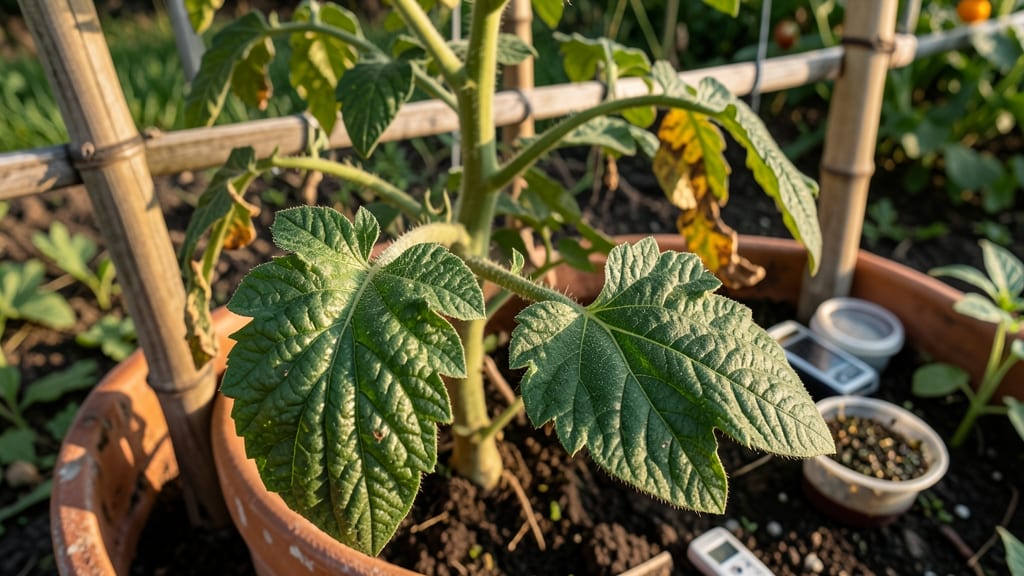
Your tomato branches curling like a question mark? 🌱 That’s often early blight or spider mites—and copper spray is the secret weapon to stop it dead. I’ve saved more tomato plants with this fix than I can count, and it works whether you’re dealing with wilted leaves or stunted growth.
The problem usually starts with tiny yellow spots on lower leaves, then spreads upward. If you wait too long, the branches curl inward to protect themselves, and the plant puts all its energy into survival instead of fruit.
But copper spray—applied at the first sign of trouble—creates a protective barrier that stops fungal spores and pests in their tracks.
Within a week of treatment, you’ll see new growth pushing out straight and strong. The key is consistency: spray every 7–10 days until the plant outgrows the threat, and always water at the base afterward to avoid burning the leaves. Your tomatoes will rebound faster than you think.
This fix works for both garden beds and containers, and it’s safe to use right up until harvest. No more throwing in the trowel when branches start curling—just grab the spray and turn things around. Let’s get those plants back on track!
Root Causes Behind Curling Tomato Branches
When your tomato plants start showing signs of distress—like branches curling upward or twisting—it’s often a cry for help from the plant itself.
Understanding the underlying causes can help you diagnose the issue faster and apply the right fix, whether it’s adjusting care, treating pests, or even using a copper spray for fungal concerns. Below, we break down the most common reasons behind this frustrating symptom, explained in clear, science-backed terms.
Tomatoes are heat-loving plants, but when temperatures skyrocket—especially above 90°F (32°C)—they can’t handle the stress. Curling branches are a classic sign of heat stress, where the plant’s cells lose turgor pressure due to rapid water loss through transpiration.
High winds or sudden temperature swings (like cold nights followed by hot days) can also trigger this response.
Why it happens:
- Stomatal closure: Under extreme heat, tomato leaves and stems partially close their stomata (tiny pores) to conserve water. This disrupts nutrient and water flow, causing branches to curl upward in an attempt to reduce surface area exposed to the sun.
- Hormonal imbalance: Heat stress triggers an overproduction of ethylene, a plant hormone that accelerates aging and structural changes in stems and leaves.
- Root system strain: If the soil is too dry, roots struggle to absorb enough water, leading to wilting and curling even before visible leaf droop appears.
💡 Pro Tip: If heat is the culprit, focus on shade cloth (30-50% coverage) during peak afternoon sun and mulch heavily to retain soil moisture. Avoid overhead watering, which can scorch leaves and worsen stress.
Tiny invaders like aphids, spider mites, whiteflies, and tomato hornworms can wreak havoc on your plants, causing branches to curl, pucker, or distort. These pests don’t just feed on leaves—they inject toxins or alter plant hormones to create a more favorable feeding environment.
Why it happens:
- Aphids and whiteflies: These insects inject saliva containing plant growth regulators (like jasmonic acid) that disrupt normal development, causing curling and stunted growth. Their honeydew secretions also attract sooty mold, further stressing the plant.
- Spider mites: These microscopic pests thrive in dry, hot conditions and pierce cells to suck out sap. Their feeding creates chlorotic spots (yellowing) and triggers curling as the plant tries to protect damaged tissue.
- Tomato hornworms: While they defoliate aggressively, their chewing can sever small stems or damage growing tips, leading to physiological curling as the plant compensates for lost tissue.
🔍 How to spot them:
Pest
Signs
Action
🐜 Aphids
Sticky residue (honeydew), curled leaves with clusters of small green/black bugs
Spray with soapy water or introduce ladybugs
🕷️ Spider Mites
Fine webbing on undersides of leaves, bronze/yellow speckling
Blast leaves with water; use neem oil or predatory mites
🦋 Whiteflies
Clouds of tiny white insects when disturbed, yellowing leaves
Yellow sticky traps or insecticidal soap
🐛 Hornworms
Large green caterpillars with white stripes, chewed leaves
Handpick at night or use Bt (Bacillus thuringiensis) spray
Fungal pathogens like early blight, late blight, and septoria leaf spot don’t just spot leaves—they can cause systemic stress that leads to curling branches. These diseases thrive in humid, warm conditions and often start with leaf infections before spreading to stems.
Why it happens:
- Early blight (Alternaria solani): This fungus infects lower leaves first, creating concentric rings (target-like spots). As it progresses, it weakens the plant’s vascular system, causing branches to curl upward in an attempt to limit fungal spread.
- Late blight (Phytophthora infestans): A more aggressive pathogen, late blight causes rapid wilting and curling due to its ability to block water transport in stems. It’s especially dangerous in cool, wet weather.
- Verticillium or Fusarium wilt: These soil-borne fungi clog the plant’s xylem vessels, restricting water flow. Curling branches are a secondary symptom as the plant struggles to distribute nutrients.
💡 Prevention is key: Rotate crops annually, remove infected debris, and apply copper fungicide preventatively (especially before rainy seasons). Prune lower leaves to improve airflow and reduce humidity near the soil.
Tomatoes are sensitive to moisture extremes, and both overwatering and underwatering can cause branches to curl. The issue often stems from poor drainage or inconsistent watering habits.
Why it happens:
- Underwatering: When soil dries out, roots can’t supply enough water, leading to cell dehydration. Branches curl upward to minimize water loss, a survival mechanism called epinasty.
- Overwatering: Soggy soil deprives roots of oxygen, causing root rot (often from Pythium or Phytophthora). As roots fail, the plant can’t absorb nutrients, leading to curling and yellowing.
- Inconsistent watering: Fluctuating moisture levels stress the plant’s vascular system, causing hydraulic failure in stems and branches.
🌱 Fix it fast:
- Check soil moisture 1–2 inches deep—it should feel like a damp sponge, not mud or dust.
- Water deeply 2–3 times per week (adjust for climate), focusing on the base, not the leaves.
- Improve drainage with raised beds or organic matter like compost.
Tomatoes need a balanced diet of nitrogen, potassium, phosphorus, and micronutrients like calcium and magnesium. Deficiencies or excesses (especially of salts or heavy metals) can disrupt growth hormones and lead to curling.
Why it happens:
- Calcium deficiency (blossom end rot’s lesser-known cousin): While often associated with fruit, calcium is critical for cell wall strength. Without it, new growth (like branches and leaves) becomes weak and curls.
- Magnesium deficiency: Causes interveinal chlorosis (yellowing between veins)
How to solve it
Watching your tomato plants struggle with curling branches can be frustrating, but the good news is that most issues have straightforward solutions. Whether it’s a pest problem, disease, or environmental stress, acting fast can save your harvest.
Below, we’ve broken down the most common causes of tomato branch curling and matched them with practical, step-by-step fixes—plus tips to keep your plants thriving long-term.
If your tomato leaves are curling and showing brown or yellow spots (especially on lower leaves), blight is likely the culprit. These fungal diseases spread quickly, but copper-based sprays are a non-toxic, organic way to stop them in their tracks.
- 🍳 Step 1: Choose Your Copper Spray
Pick a USDA-approved copper fungicide, like Copper Sulfate or Copper Hydroxide. Follow the label instructions for dilution rates—usually 1–2 tablespoons per gallon of water.
- 👨🍳 Step 2: Spray at the Right Time
Apply the spray early in the morning or late afternoon to avoid leaf burn from sunlight. Focus on the undersides of leaves (where spores hide) and stems. Use a hose-end sprayer for even coverage.
- 🥘 Step 3: Prevent Re-Infection
Spray every 7–10 days during wet or humid conditions. Remove and destroy (don’t compost) any infected leaves or branches immediately.
💡 Pro Tip: Mix 1 tablespoon of baking soda with 1 teaspoon of dish soap and 1 gallon of water as a preventative spray between copper treatments. It raises the leaf pH, making it harder for fungi to latch on!
Curling branches can also signal a hidden pest party. Common offenders include aphids, spider mites, whiteflies, and tomato hornworms. Here’s how to evict them:
| Pest | Signs | Fix It Fast |
|---|---|---|
| Aphids | Sticky residue (honeydew), curled new growth, tiny green/black bugs clustered on stems. | 🔪 Blast them off with a forceful spray of water (early morning). Follow up with neem oil (1 tsp per quart of water) or soapy water (1 tsp mild soap per liter). |
| Spider Mites | Fine webbing on leaves, yellow stippling, leaves curling upward. | 🌡️ Increase humidity (they hate it!) with a mist spray. Wipe leaves with a damp cloth to remove mites. For bad infestations, use neem oil or insecticidal soap. |
| Tomato Hornworms | Large green caterpillars with white stripes, chewed leaves, only the skeleton remains. | 👨🍳 Handpick them (they’re easy to spot!) and drop them in soapy water. Introduce parasitic wasps (like Cotesia congregata) for long-term control. |
🎯 Prevention: Encourage beneficial insects like ladybugs and lacewings by planting marigolds, dill, or basil nearby. They’ll snack on pests before they become a problem!
Tomato branches curl when plants are too hot, too cold, or thirsty. Fixing these issues is often as simple as tweaking your garden routine:
- 💦 Watering Woes
Curling from underwatering? Water deeply 1–2 inches per week (more in heatwaves). For overwatering, let the soil dry out between waterings—tomatoes hate soggy roots.
- ☀️ Heat Stress
In temperatures above 90°F (32°C), tomato leaves may curl to reduce water loss. Provide afternoon shade with a shade cloth (30–50% coverage). Mulch with straw or grass clippings to keep roots cool.
- ❄️ Cold Snaps
If nights dip below 50°F (10°C), curl is a survival tactic. Use row covers or old blankets to protect plants. Avoid watering before cold nights—wet leaves freeze easier.
✨ Bonus Tip: If your tomatoes are overcrowded, thin out suckers (the small shoots between the main stem and branches) to improve airflow and reduce stress.
Yellowing leaves paired with curling branches often mean your tomatoes are hungry. The most common deficiencies are:
- 📊 Nitrogen (N)
Sign: Older leaves turn yellow (but stay green at the edges). Fix: Add compost, fish emulsion, or a balanced fertilizer (10-10-10).
- 💪 Potassium (K)
Sign: Leaf edges curl and brown (like "scorched" tips). Fix: Use wood ash, banana peels (composted), or a potassium-rich fertilizer (like 0-0-50).
- 🥗 Magnesium (Mg)
Sign: Yellow patches between leaf veins (interveinal chlorosis). Fix: Spray leaves with Epsom salt solution (1 tbsp per gallon of water) every 2 weeks.
💡 Pro Tip: Do a soil test before fertilizing—overdoing it can burn roots and make problems worse!
Frequently asked questions about tomato branches curling
Why do my tomato branches curl upward instead of downward?
Upward curling is your tomato's defense mechanism against stress. When branches curl upward, it reduces surface area exposed to heat, wind, or pests. Downward curling (epinasty) usually signals overwatering or hormonal imbalances from pests like aphids. Check for yellowing leaves or webbing first to identify the cause.
Can I still harvest tomatoes if the branches are curling?
Yes, but focus on mature fruit first. Curling often indicates the plant is redirecting energy to survival rather than production. Harvest ripe tomatoes immediately to reduce stress on the plant. Remove any severely infected or damaged branches to help the plant recover faster.
How do I tell if curling is from pests or disease?
Look for these clues: Pests (like spider mites) cause fine webbing, yellow stippling, or tiny bugs on leaf undersides. Diseases (like early blight) show brown/yellow spots with concentric rings. Check the undersides of leaves and stems carefully—pests leave visible damage while diseases create fungal growth patterns.
Will pruning help tomato branches that are already curling?
Pruning can help, but only if you remove the most affected areas. Cut back to healthy green growth just above a leaf node. Avoid heavy pruning during heatwaves—it stresses the plant further. Focus on removing infected leaves first to prevent spread, then prune selectively to improve airflow.
How often should I check my tomato plants for curling?
Inspect your plants 2-3 times per week during growing season. Early detection is key—catching curling in the first 24-48 hours gives you the best chance to reverse it. Pay special attention to lower leaves first, as that's where most problems start.