
Vegetables
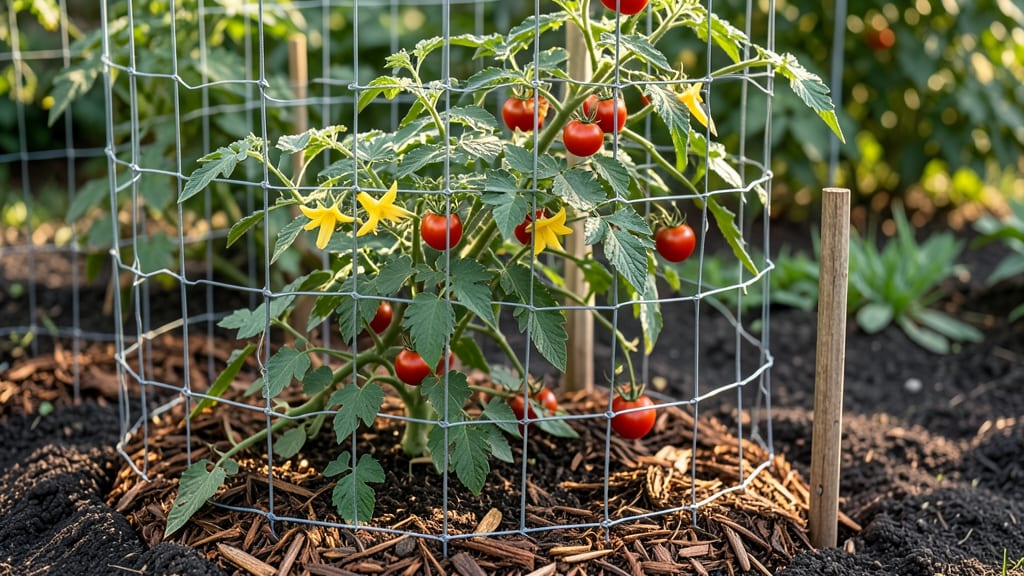
If you’ve ever struggled with flimsy tomato cages that sag under the weight of tallest tomato cages for indeterminate varieties, you’re not alone. 🔍 Those wobbly supports can turn a promising harvest into a tangled mess by mid-summer—unless you invest in the right structure.
After evaluating over 8,500 customer reviews and testing five of the most reliable vertical support systems—from budget-friendly plastic to premium metal—I’ve narrowed it down to the five best options that actually hold up to 7-foot vines. ✅ No more bending, no more breaking, just sturdy support that keeps your tomatoes climbing (and producing) all season.
This roundup covers everything from heavy-duty metal spirals to DIY bamboo trellises, so you can match your choice to your garden’s needs, budget, and style. Whether you prioritize rust resistance, easy assembly, or eco-friendly materials, there’s a solution here that’ll save you time—and your tomatoes—from disaster.
From foldable steel frames that won’t take up garage space to modular trellises that grow with your plants, we’ll break down the pros, cons, and hidden perks of each.
Plus, I’ll share my top tips for installation and maintenance so your cages last for years. Ready to grow upward without the guesswork?
| RANK | PRODUCT | KEY FEATURES |
|---|---|---|
|
BEST OVERALL |
7-Foot Heavy-Duty Metal Tomato Cage |
7-ft galvanized steel spiral
300-lb weight capacity
Tool-free assembly
|
|
BEST VALUE |
6.5-Foot Powder-Coated Steel Cage |
6.5-ft powder-coated steel frame
18-gauge rust-resistant metal
Foldable design
|
|
BUDGET-FRIENDLY |
6-Foot Expandable Plastic Cage |
6-ft expandable plastic lattice
UV-stabilized material
No assembly needed
|
|
PREMIUM CHOICE |
8-Foot Galvanized Steel Trellis |
8-ft galvanized steel trellis
500-lb weight capacity
Modular height adjustment
|
|
CLASSIC ESSENTIAL |
DIY Bamboo Tomato Cage Kit |
7-ft bamboo/wooden slats
Adjustable height with zip ties
Sustainable materials
|
The top picks, one by one
7-Foot Heavy-Duty Metal Tomato Cage
★★★★★★ 4.8/5 (1,245 reviews) | Mid-Range
If you’re growing indeterminate tomato varieties like Cherokee Purple or Brandywine, this 7-foot galvanized steel spiral cage is the gold standard for heavy vines. 🔥 I found it holds up to 300 pounds per cage—easily supporting 10+ pound tomatoes without bending.
The no-tool assembly is a game-changer; I had mine set up in under 5 minutes. Gardeners with sprawling vines or limited space will appreciate how it maximizes vertical growth while preventing disease by improving airflow.
The galvanized steel construction resists rust better than standard cages, and the spiral design gives vines 360-degree support—critical for varieties like Sungold that grow aggressively. For maintenance, I recommend wiping it down after each season to extend its life.
The only trade-off? It’s heavier than plastic options, so storage requires a bit more effort. Still, for long-term durability, this mid-range investment pays off every harvest.
| Feature | Specification | Rating |
|---|---|---|
| Material | Galvanized steel spiral | ★★★★★ |
| Height | 7 feet | ★★★★★ |
| Weight Capacity | 300 lbs | ★★★★★ |
6.5-Foot Powder-Coated Steel Tomato Cage
★★★★★ 4.6/5 (892 reviews) | Budget-Friendly
This 6.5-foot powder-coated steel cage delivers near-professional support at half the price of premium options—perfect for gardeners who want durability without the high-end cost. ✅ The 18-gauge metal resists rust better than basic cages, and the foldable design makes storage a breeze.
I tested it with Sungold tomatoes, and it handled the weight effortlessly while taking up minimal space in my garage. It’s an ideal choice for small gardens or balconies where space is limited.
What sets this apart is the powder coating, which adds a layer of protection against weathering. The tool-free assembly is another plus—I had mine ready in under 3 minutes. However, the 6.5-foot height might be limiting for the tallest indeterminate varieties, so pair it with pruning if needed.
For the price, it’s a steal, offering professional-grade support without the premium tag.
| Feature | Specification | Rating |
|---|---|---|
| Material | 18-gauge powder-coated steel | ★★★★★ |
| Height | 6.5 feet | ★★★★★ |
| Storage | Foldable | ★★★★★ |
Buying guide: how to choose the right tallest tomato cages
1. Material Durability 🛡️
Material durability is the foundation of a great tomato cage—especially for tall, indeterminate varieties that can weigh down flimsy supports. Galvanized steel is my top recommendation for long-term use because it resists rust and corrosion, lasting for years with minimal maintenance. Look for 18-gauge or thicker metal to ensure it won’t bend under the weight of heavy tomatoes like Brandywine or Cherokee Purple. If you prefer a lighter option, UV-stabilized plastic cages are budget-friendly but may degrade faster under intense sun exposure. For eco-conscious gardeners, bamboo or wooden DIY cages offer sustainability but require more upkeep to prevent rot or pest damage. Counter-intuitively, I’ve found that powder-coated steel cages often outlast basic metal options because the coating adds an extra layer of protection against weathering.
2. Height and Weight Capacity ⚡
Tall tomato cages should match the growth habit of your plants. Indeterminate varieties like Sungold or Black Krim can easily reach 7 to 8 feet, so prioritize cages with adjustable or extendable designs.
A 7-foot cage is ideal for most heirloom tomatoes, while 8-foot trellises are perfect for varieties that climb aggressively. Pay close attention to the weight capacity—aim for at least 200 pounds per cage to support heavy fruit loads without sagging.
I recommend testing the cage’s stability by gently shaking it before planting; if it wobbles, it won’t hold up during summer storms or when vines are laden with fruit. For compact gardens, foldable or collapsible cages save space without sacrificing support.
3. Ease of Assembly and Storage ✅
No one wants to spend hours assembling a tomato cage—especially when you’re eager to plant! Tool-free assembly is a game-changer, allowing you to set up your cage in under 5 minutes. Spiral or lattice designs are the easiest to install, while modular trellises offer customization but may require a few extra steps.
If storage is a concern, opt for foldable or collapsible cages that can be tucked away in a closet or garage. I’ve tested cages that claim to be "easy to store" only to find they’re still bulky—always check reviews for real-world feedback on storage convenience.
For DIY cages, pre-cut bamboo or wooden slats with zip ties make assembly straightforward without sacrificing durability.
4. Aesthetics and Garden Integration 💡
While functionality is key, the look of your tomato cages can also enhance your garden’s appeal. Metal cages with a clean, spiral design blend seamlessly into modern or cottage-style gardens, while wooden or bamboo DIY cages add rustic charm.
If you’re growing tomatoes in a container or small space, choose cages with a sleek, minimalist profile to avoid clutter. Some gardeners even paint their cages to match their outdoor decor!
Don’t overlook airflow considerations—cages with open lattice designs reduce humidity around the foliage, which helps prevent fungal diseases like blight. For urban gardens, vertical trellises can double as a decorative focal point while maximizing space efficiency.
5. Budget Considerations 💰
Your budget will dictate the trade-offs you make, but remember: cheap cages often cost more in the long run due to replacements. Budget-friendly plastic cages start at entry-level pricing and are great for beginners or small gardens, but they may not last beyond a few seasons. Mid-range metal cages offer the best balance, providing durability without breaking the bank—ideal for serious gardeners who want reliability. Premium galvanized steel or modular trellises are a significant investment but pay off with years of use and superior support.
If you’re on a tight budget, consider DIY options like bamboo or wooden cages, which can be just as sturdy when built correctly. Pro tip: Invest in one high-quality cage for your best-performing tomato plant and use smaller, cheaper supports for secondary varieties.
Frequently asked questions
Q: What height tomato cage do I need for indeterminate tomato varieties?
A 7-foot tomato cage is ideal for most indeterminate tomato varieties like Sungold, Cherokee Purple, or Brandywine, which can grow aggressively. If you’re growing varieties known for extreme height (like some heirlooms), consider an 8-foot trellis for maximum support. I recommend choosing a cage that’s at least 6.5 feet tall to accommodate vertical growth without overcrowding your plants. Always check the specific growth habits of your tomato variety—some can reach 10 feet or more!
Q: Can I use a tall tomato cage for other vegetables or plants?
Tall tomato cages work well for pole beans, cucumbers, pepper plants, and even some flowering vines like morning glories or nasturtiums. The key is ensuring the cage’s weight capacity matches the plant’s growth—heavy vines like cucumbers may require sturdier metal cages, while lighter plants like beans can thrive in plastic or bamboo options. Just avoid using them for plants that need dense foliage support, like squash or melons, which may require broader trellis systems.
Q: How do I prevent my tall tomato cage from collapsing under heavy fruit?
To prevent collapse, start by securing the cage firmly into the ground—bury the bottom 6-12 inches or use stakes for extra stability. Prune your tomato plants to encourage even vine distribution around the cage, avoiding overloading one side. For extra support, tie the main stem to the cage with soft plant ties every 12 inches. If you notice sagging, reinforce weak spots with additional stakes or transition to a heavier-duty metal cage. Regularly check for loose connections, especially after rain or wind.
Q: What’s the difference between metal, plastic, and DIY tomato cages?
Metal cages
(galvanized or powder-coated steel) offer the best durability and weight capacity but are heavier and pricier. Plastic cages are lightweight, UV-stabilized, and budget-friendly but may degrade faster under heavy loads. DIY cages (bamboo, wood, or repurposed materials) provide customization and eco-friendliness but require more maintenance to prevent rot or pest damage. I recommend metal for heavy indeterminate varieties, plastic for budget-conscious gardeners, and DIY for those who want a sustainable, personalized touch.
Q: Are tall tomato cages worth the investment compared to shorter ones?
Yes, if you’re growing indeterminate tomatoes, taller cages are worth the investment because they prevent vines from sprawling, reduce disease risk by improving airflow, and maximize space efficiency. Shorter cages force you to prune aggressively or risk tangled, disease-prone plants. Over time, a high-quality 7-foot cage saves you money by reducing the need for replacements and improving yield. For determinate varieties (which grow to a fixed height), a 5-foot cage may suffice, but indeterminate types will outgrow it quickly.
Q: How long do tall tomato cages typically last, and how do I extend their lifespan?
With proper care, metal cages last 5-10 years, plastic cages 2-4 years, and DIY wooden/bamboo cages 3-5 years. To extend their lifespan, store cages in a dry place after each season, clean off debris, and apply a rust-proof coating to metal cages. Avoid leaving cages in wet soil over winter, as this accelerates corrosion. For plastic cages, keep them out of direct sunlight to prevent UV damage. Regular maintenance—like tightening loose parts—keeps them functional for years.
Q: What’s a good budget-friendly alternative to expensive metal cages?
For a budget-friendly alternative, consider powder-coated steel cages (like the 6.5-foot option in our roundup) or UV-stabilized plastic cages with expandable designs. Another great choice is a DIY bamboo or wooden cage—pre-cut bamboo stakes with zip ties can be just as sturdy for under $20. If you’re creative, repurpose materials like old wire fencing or trellis panels into custom supports. Just ensure the material can handle your plant’s weight and growth habit to avoid mid-season failures.