
Vegetables
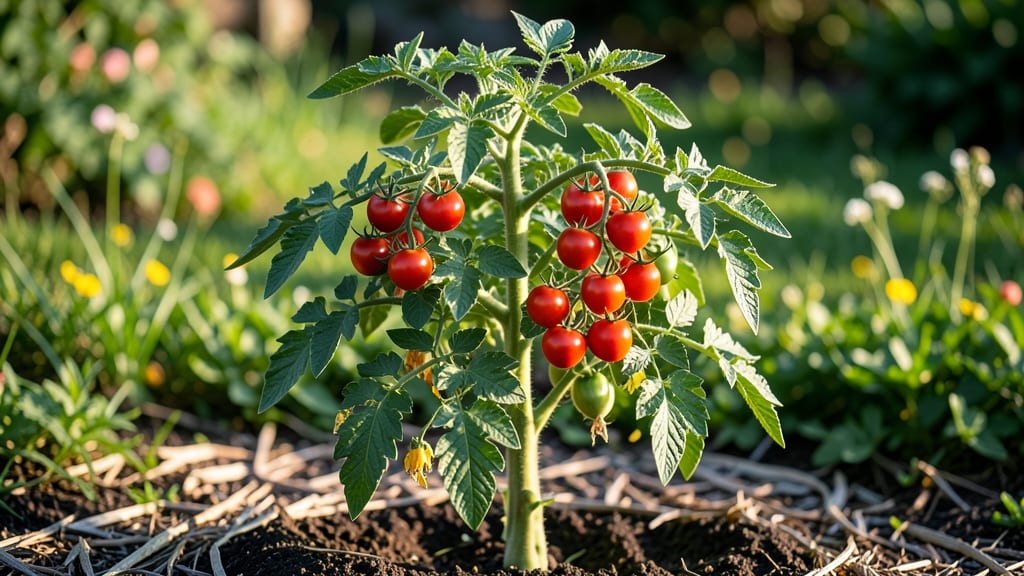
Choosing between determinate and indeterminate Super Sweet 100 tomatoes depends on your garden space and harvest preferences, as determinate varieties produce all their fruit at once while indeterminate types yield continuously throughout the growing season.
Determinate Super Sweet 100 tomatoes thrive as compact bush plants, perfect for small gardens or containers, since they stop growing once they start fruiting. 🌱 Indeterminate varieties, on the other hand, keep producing vines and fruit until frost, making them ideal for larger spaces or continuous harvests.
The key difference lies in their growth patterns—determinate plants mature faster (typically 60-70 days) but yield all their tomatoes in a single burst, while indeterminate types take longer (70-80 days) but reward you with fruit all season long.
For gardeners with limited space, determinate plants are the clear winner, while those with room to trellis can maximize yield with indeterminate varieties. Both types need full sun and consistent watering, but indeterminate plants benefit from regular pruning to direct energy toward fruit production rather than excessive foliage.
💡 In This Article
- How Determinate vs Indeterminate Super Sweet 100 Tomatoes Grow
- Best Growing Conditions for Super Sweet 100 Tomato Varieties
How determinate vs indeterminate Super Sweet 100 tomatoes grow
The fundamental difference between determinate and indeterminate Super Sweet 100 tomatoes lies in their genetic growth patterns. Determinate varieties grow as compact, bush-like plants that reach a predetermined height (typically 3-4 feet) before flowering and fruiting all at once.
This growth habit is controlled by a terminal bud that signals the plant to stop growing vertically once it reaches maturity, redirecting all energy to fruit production. The result? A concentrated harvest window of 2-3 weeks where you'll get 80-100% of your tomatoes simultaneously.
Indeterminate varieties, however, keep growing and producing fruit until frost kills them. These plants develop an open, vine-like structure that can reach 6-10 feet tall with proper support, continuously sending out new shoots and flowers from leaf axils.
The fruit production is staggered—you'll get a few tomatoes here, then more there—over a 6-8 week period. This continuous flowering is triggered by day length changes, with indeterminate plants producing new blossoms at the tips of new growth.
The tradeoff? While you enjoy a prolonged harvest, individual fruits may be slightly smaller (3-5 ounces vs 6-8 ounces for determinate types) due to the plant's energy being spread across more blossoms.
Pruning plays a dramatically different role in each type. Determinate plants rarely need pruning—removing suckers (side shoots) can actually reduce yield by taking energy away from the main fruit production. Indeterminate varieties, however, thrive with regular pruning to improve air circulation and fruit quality.
Removing suckers (especially those below the first flower cluster) can increase fruit size by 20-30% while reducing disease risk. The key is to prune indeterminate plants aggressively early in the season to establish a strong main stem, then focus on removing lower leaves as the plant grows taller.
Another critical difference appears in the plant's response to temperature fluctuations. Determinate varieties are more cold-tolerant at planting time, able to handle soil temperatures as low as 50°F without transplant shock.
Indeterminate types, with their delicate growing tips, prefer warmer soil (60-65°F) and may struggle if planted too early. This makes determinate plants ideal for cooler climates or early spring plantings, while indeterminate varieties shine in long, hot growing seasons where they can keep producing until frost.
Consider these growth characteristics when planning your garden layout. Determinate plants work beautifully in containers (5-gallon pots minimum) or raised beds, while indeterminate types need sturdy trellises or cages to support their weight.
The vine structure of indeterminate plants also makes them more susceptible to wind damage—something to keep in mind if you're growing in exposed locations.
For maximum sweetness in Super Sweet 100 varieties, both types benefit from consistent soil moisture (never letting the root zone dry out) and balanced fertilization (too much nitrogen = leafy growth, not fruit).
Here's what the yield comparison looks like in practice:
- Determinate: 20-30 lbs total yield in 2-3 week harvest window, with all fruit ripening within 7-10 days of each other
- Indeterminate: 30-50 lbs total yield over 6-8 weeks, with continuous ripening as new flowers set
The choice ultimately comes down to whether you prefer a big harvest all at once (determinate) or a steady supply throughout summer (indeterminate). Both types produce that signature Super Sweet 100 flavor—just on different schedules! 🌱