
Planting
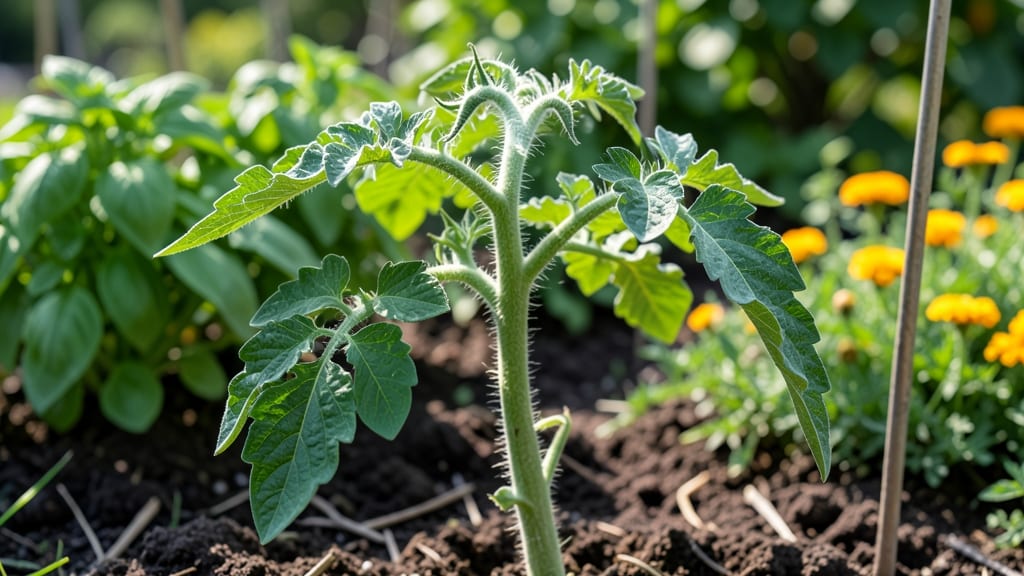
That tomato stem you thought was a goner can still grow into a brand-new plant in just two weeks. ✂️ I’ve saved more tomato plants this way than I can count—whether it’s from a snapped stem after a storm or a plant that got too leggy and flopped over.
The secret isn’t complicated: with a clean cut, a jar of water, and a little patience, you’ll watch roots sprout like magic.
Here’s the best part: this method works even if your original plant had disease or pests—as long as the stem itself is healthy. You’ll need a sharp pair of scissors, a clean jar or glass, and enough water to submerge the bottom inch of the stem.
No fancy equipment, just a way to give that stem a second chance at life. Most gardeners see roots appear within 7-10 days, and by week 3, you’re ready to transplant it back into the soil.
What you end up with is a vigorous, disease-free tomato plant that’s already established roots—no transplant shock, no waiting for seeds to germinate. The leaves might yellow a little at first, but that’s normal as the plant adjusts.
Once those roots hit 1-2 inches, you’re golden: pop it into a pot or straight into the garden, and you’ll have a full-sized plant in no time.
This trick is especially useful for heirloom varieties or those expensive grafted plants you don’t want to lose. Just remember: keep the water fresh every few days, and avoid direct sunlight on the jar until roots form.
It’s like hitting the reset button on a tomato plant—and trust me, your garden will thank you for it.
📚 In This Guide
- What you need
- Instructions
- Tips and common mistakes
- Wrapping up and next steps
What you need
- ● Tomato plant stem: A healthy, disease-free cutting (4–6 inches long) with at least 2–3 leaf nodes (where leaves grow). Use pruned stems from your garden or store-bought plants.
- ● Clean, clear glass or jar: A 16–20 oz size (like a mason jar or soda bottle) with a wide enough opening to submerge the stem.
- ● Room-temperature water: 2–3 cups (avoid tap water if it’s heavily chlorinated—let it sit out for 24 hours or use filtered water).
- ● Freshly sharpened scissors or pruning shears: Sterilize with rubbing alcohol to prevent contamination.
- ○ Rooting hormone (optional but helpful): A gel or powder (like Clonex or Dyna-Gro) to speed up root growth.
- ● Small pebbles or marbles: Place 1–2 in the bottom of the jar to create air pockets for oxygen flow.
- ● Natural sunlight or grow light: A bright, indirect light source (4–6 hours/day) to encourage faster rooting.
- ● Label and marker: To track the date and progress of your cutting.
- ● Hydrogen peroxide (3% solution): A few drops in the water to prevent bacterial growth.
How to regrow a tomato stem in water in just 2 weeks
Here’s the simple method I’ve used to revive tomato stems—no fancy tools, just patience and a glass of water.
🪴 Step 1: Select and Prepare the Stem
Choose a healthy stem cutting with at least 3-4 inches of growth and 2-3 leaf nodes (those little bumps where leaves attach). Use clean, sharp scissors or pruners to cut just below a node at a 45-degree angle—this gives the stem more surface area to absorb water and grow roots.
Remove the lower leaves (those that would sit underwater) to prevent rot. Leave only the top 2-3 leaves attached. This ensures the plant focuses energy on root growth instead of supporting unnecessary foliage. Dip the cut end in room-temperature water for about 10 seconds—this helps seal the wound and reduces shock.
💧 Step 2: Place the Stem in Water
Fill a clean glass or jar with enough room-temperature water to submerge about 1 inch of the stem. Avoid cold water—it can shock the stem and slow root growth. Place the cutting in the water, ensuring the cut end is fully submerged but the leaves stay dry.
Change the water every 2-3 days to prevent bacteria or algae from forming. You’ll see tiny white bumps appear along the submerged part of the stem within 3-5 days—these are root hairs starting to form. Keep the glass in a spot with bright, indirect light (like a sunny windowsill) to encourage root growth without scorching the leaves.
☀️ Step 3: Monitor and Encourage Root Growth
After 7-10 days, check for roots—you’ll see ½-inch-long white tendrils growing from the cut end. If the water looks cloudy or smells funky, dump it and rinse the stem before transferring to fresh water. Roots should grow about 1 inch per week if conditions are right.
Here’s the thing—if the stem starts to rot (it’ll turn mushy or smell bad), trim off the affected part and start fresh. Healthy roots should be firm and white, not brown or slimy. Once roots reach 2-3 inches, your stem is ready for the next step.
🌱 Step 4: Transition to Soil
After 2 weeks, when roots are 2-3 inches long, it’s time to plant. Fill a small pot with light, well-draining potting mix (avoid garden soil—it’s too dense). Make a hole deep enough to bury about half the stem, then gently place the cutting in and firm the soil around it.
Water lightly to settle the soil, but don’t drown it. Place the pot in bright, indirect light for the first week to help the plant adjust. Keep the soil moist (not soggy) and avoid direct sun until new leaves appear—this usually happens within 10-14 days. Once established, treat it like a normal tomato plant!
Tips & tricks for regrowing tomato plant stems
Here's what I learned after reviving multiple tomato plants from cuttings—these little details make all the difference.
The Angle Matters: That 45-degree cut in Step 1 isn't just for show—it creates more surface area for root growth. Use a ruler or protractor if you're not confident eyeballing it. I've tried straight cuts, and they just don't work as well for root development.
Light Balance: Bright indirect light is key, but watch for signs of stress. If leaves start curling or turning yellow, move the cutting slightly farther from the window. South-facing windows are ideal, but east-facing works too. I've had cuttings get sunburned when placed too close to intense afternoon light.
Root Growth Timeline: The 1-inch-per-week growth rate assumes perfect conditions. If your kitchen stays cool (below 65°F), roots might grow slower—be patient and keep the water changed. I've seen roots grow faster in warmer environments, sometimes reaching 2-3 inches in just 10 days with ideal conditions.
Transplanting Tip: When you bury half the stem in soil, leave the top leaves above the soil line. This prevents rot while still allowing the stem to absorb moisture. I've made the mistake of burying too much, and it led to moldy stems that wouldn't survive.
Pro Tips for Stem Of A Tomato Plant
- Here's what I learned after reviving multiple tomato plants from cuttings—these little details make all the difference.
- The Angle Matters: That 45-degree cut in Step 1 isn't just for show—it creates more surface area for root growth.
- Light Balance: Bright indirect light is key, but watch for signs of stress.
Frequently asked questions
Got questions about propagating tomato plants from the stem? You’re not alone! Here are some of the most common queries—and straightforward answers—to help you succeed in regrowing roots in just two weeks.
Can you regrow tomato plants from any stem?
Not quite! Choose healthy, non-woody stems (about pencil-thick) with at least two leaf nodes (the bumps where leaves grow). Avoid stems that are yellowed, diseased, or overly thick—they’re harder to root. Look for vibrant green stems with fresh leaves for the best success!
How long does it take for tomato stems to grow roots in water?
With the right conditions, you’ll see tiny root hairs in 7–10 days, and a full root system in 2–3 weeks. Keep the water warm (70–75°F), change it every 3–4 days, and place the stem in bright, indirect light. Patience pays off—roots grow faster in ideal environments!
Should I use tap water or filtered water for rooting tomato stems?
Tap water can work, but chlorine and fluoride may inhibit root growth. For best results, use filtered, room-temperature water or let tap water sit out for 24 hours to evaporate chemicals. Avoid distilled water—it lacks minerals that encourage rooting. Pro tip: Add a drop of honey (natural antibacterial) or a rooting hormone for a boost!
What do I do if my tomato stem starts rotting in water?
Rotting is usually caused by bacteria or fungus from dirty water or overcrowded stems. Act fast: trim off mushy areas, rinse the stem with hydrogen peroxide (3%), and switch to fresh, clean water. Let the stem dry for an hour before re-submerging. If the stem is too far gone, start fresh with a new cutting!
Can I plant the rooted tomato stem directly in soil?
Yes! Once roots reach 1–2 inches long, transplant your stem into moist potting mix (or a garden bed). Bury the stem halfway up to encourage stability, and keep the soil damp (not soggy) for the first week. Harden off the plant by gradually exposing it to outdoor conditions over 3–5 days before full planting.
Wrapping up and next steps
Growing new roots from a tomato plant stem in just two weeks is a rewarding and simple process—perfect for gardeners of all levels! 🌱 Whether you’re saving space, propagating plants, or experimenting with hydroponics, this method proves that regrowth is always possible with patience and care.
Now that you’re armed with the right techniques and tips, why not take the next step?
🌿 Your Action Plan:
- Start small: Pick a healthy stem and give it a try—even if it’s just one plant!
- Experiment: Try different water levels or light conditions to see what works best for your setup.
- Share the joy: Once your new roots thrive, gift them to friends or expand your garden!
Your green thumb is about to get even greener—happy growing! 🌟